





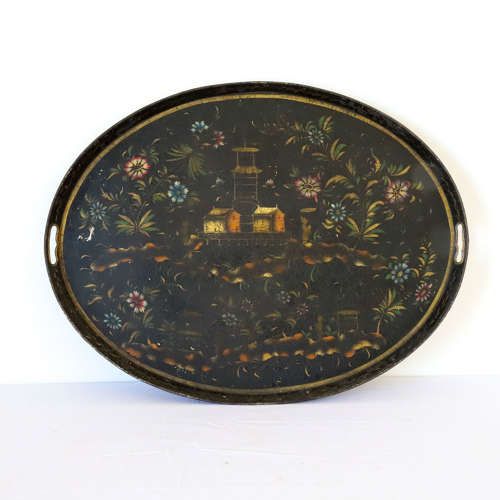
Floral Metal Tray
A floral metal tray brings botanical colour and sturdy utility to a room, ranging from painted toleware to Japanese cloisonne enamel.
Floral Metal Tray
A floral metal tray is a decorative or serving object fashioned from materials such as iron, copper, brass, or silver plate and adorned with botanical motifs. When you search for a floral metal tray, you encounter examples spanning the nineteenth century up to the nineteen-twenties, encompassing British toleware, Japanese cloisonne, and continental decorative pieces.
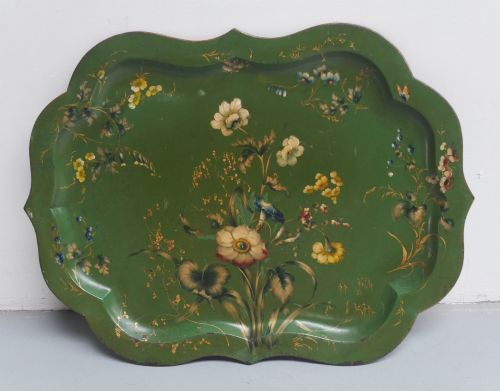
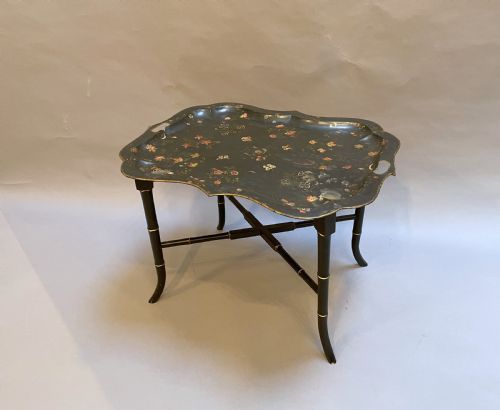
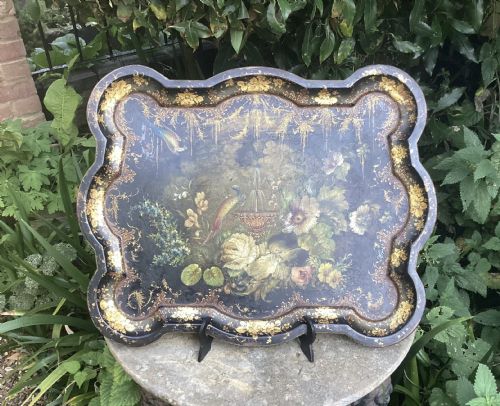
The forms vary widely between practical serving trays, oval platters, shaped bowls, and card trays. Toleware items form a significant portion of these offerings, often featuring handpainted floral centres or intricate chinasierie decoration on blackened metal.
Originating from diverse traditions including Victorian Britain, Meiji period Japan, and continental Europe, these trays serve both utilitarian and display purposes. One is most likely to meet painted toleware or embossed copper and pewter variants while browsing this selection.
Materials and construction
These pieces rely on metal working techniques such as stamping, casting, and hand-beating across iron, copper, brass, and Britannia metal. Toleware pieces utilise sheet metal given a durable japanned finish before accepting handpainted floral compositions.
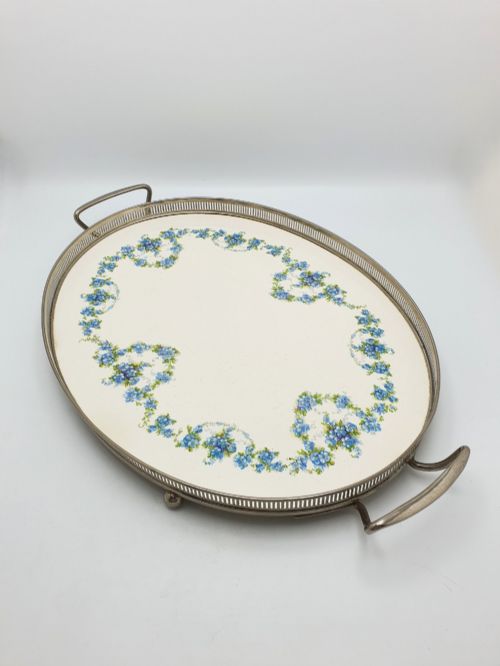
Enamelling techniques define the Japanese pieces, where skilled artisans applied cloisonne wires to copper bases to form intricate iris and bird designs. Plated items employ silver or old Sheffield plate applied to base metals to achieve a polished reflective surface.
Floral Metal Tray Retail Price Guide 2026
Typical asking prices for floral metal tray among the pieces listed under this phrase on Sellingantiques today, from the lower quarter to the upper quarter. They describe what is for sale here now, not the wider market.
Listings incorporate nineteenth century periods alongside items from the Regency and Art Nouveau eras, utilising materials like copper, brass, and lacquer.
Markers of distinction
Quality in a painted metal tray rests on the preservation of the handpainted surface and the crispness of the floral details. Pontypool and Victorian toleware items demonstrate distinction through layered japanning and refined brushwork rather than flat stencilling.
For enamelled and plated items, the integrity of the metalwork and the precision of the cloisonne wires determine the standing of the piece. Substantial weight in the base metal and minimal loss to the decorative finish separate finer examples from standard production.
Padley Parkin·WMF
The Floral Metal Tray Glossary
- Toleware
- Painted or japanned metalware, typically tinplate or iron, popular in Britain during the nineteenth century. Pontypool and Usk were major centres for this craft.
- Cloisonne
- An ancient technique for decorating metal object surfaces, using wire compartments filled with enamel paste and fired. Japanese examples often depict natural motifs like irises.
- Japanning
- A European imitation of Japanese and Chinese lacquerwork, created by applying layers of varnish and baking the metal base. This finish provides a dark, glossy background for floral painting.
- Old Sheffield Plated
- A composite material made by fusing a thin sheet of silver to a thicker copper ingot, common in nineteenth century tableware before electroplating. Items made this way show a rich depth of metal.
- Britannia metal
- A tin-based alloy used as a base for pewter and metalware, frequently utilised by makers like WMF for art nouveau card trays and tazzas.
Floral Metal Tray: Frequently Asked Questions
How do I clean an antique painted metal tray?
Dust the surface gently with a dry microfibre cloth to remove loose particles. Avoid abrasive cleaners, harsh chemicals, or soaking in water, as these actions damage the delicate handpainted floral details and underlying japanning.
For stubborn marks, use a slightly damp cloth with mild soap, drying the metal immediately afterwards. Preserving the original finish takes precedence over achieving a polished shine.
Can I use these trays for serving food?
While many were originally designed as serving trays or afternoon tea platters, antique metalware requires careful consideration before food use. Modern food safety standards differ from nineteenth century manufacturing methods, particularly regarding older silver plate and painted surfaces.
Displaying them on side tables or using them for decorative objects ensures their preservation. If used for dining, line them with a cloth or doily to protect the antique surface.
How do I date a toleware tray?
Dating relies on examining the weight of the metal base, the style of the handpainted floral motifs, and the composition of the japanned finish. Nineteenth century pieces often show subtle hand-forged irregularities and specific regional painting styles associated with workshops in Pontypool.
Comparing the border decoration and colour palette with documented examples helps narrow down the decade of production. Regency pieces tend towards bold gilt embellishments on dark backgrounds.
What is the difference between toleware and cloisonne trays?
Toleware consists of painted or japanned sheet metal featuring brushed floral artwork, often originating from British workshops. The aesthetic focuses on surface painting over dark backgrounds.
Cloisonne involves metal wires soldered to a copper base to create cells filled with vitreous enamel, frequently seen in Japanese imports from the Meiji period. This technique produces a tactile, glassy texture quite distinct from flat painted metal.