






Floral Imari Charger
A floral imari charger brings the rich palette of cobalt underglaze, enamel, and gold leaf into a room, offering both decorative presence and historical depth.
Floral Imari Charger
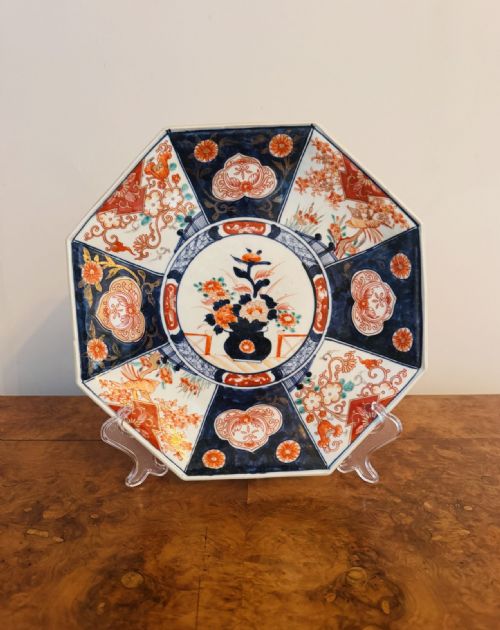
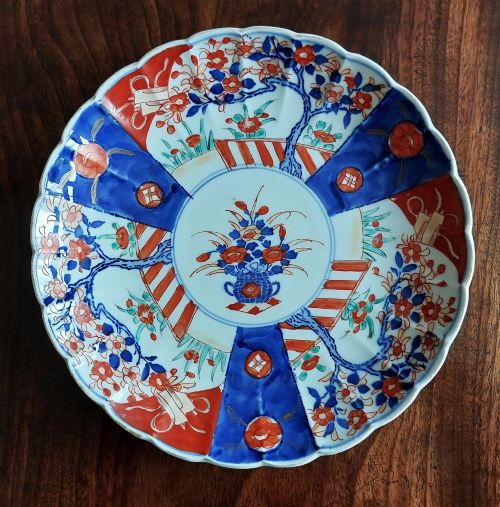
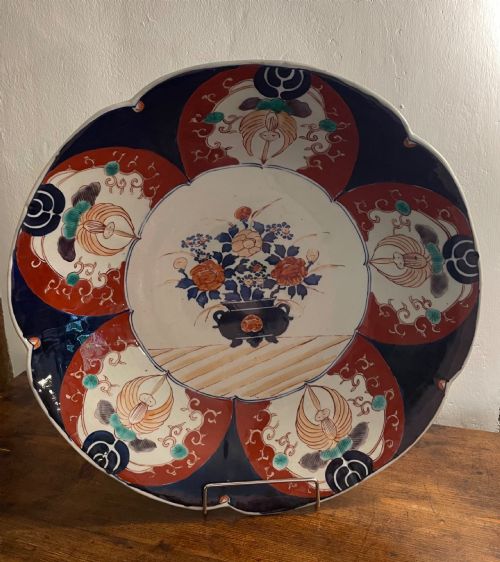
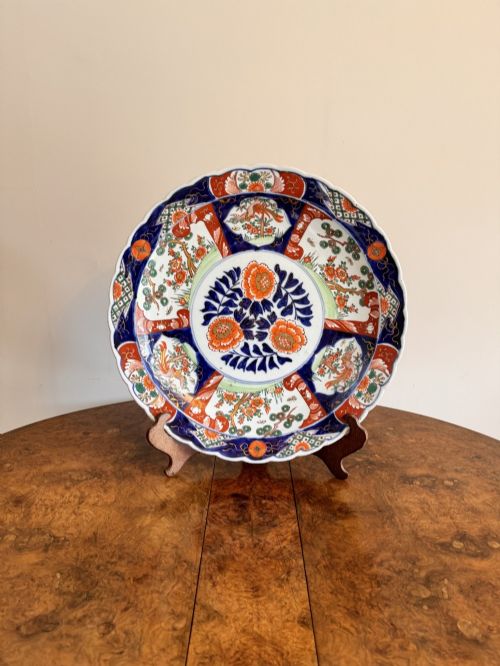
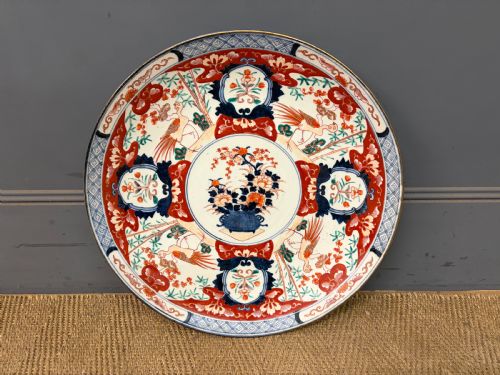
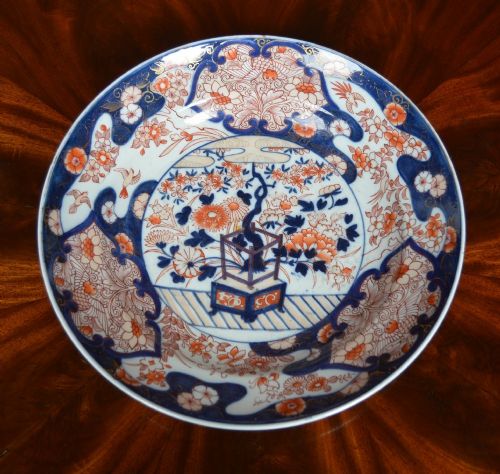
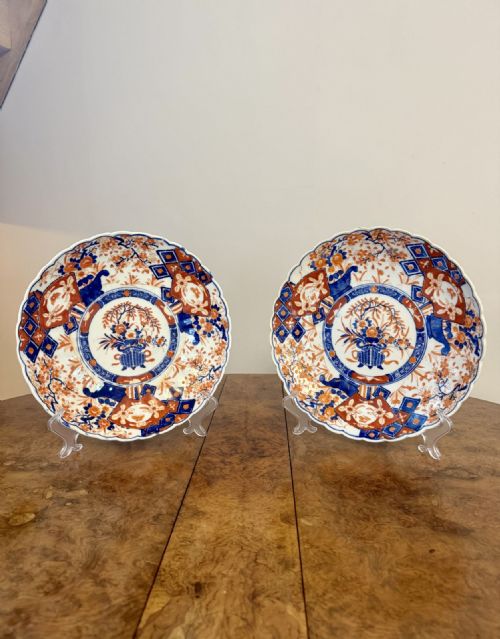
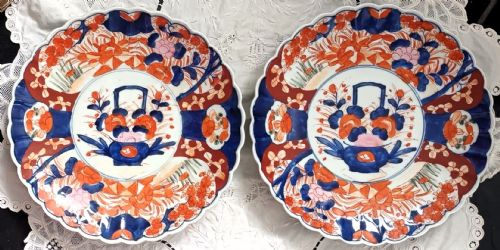
A floral imari charger is a large decorative dish or wall plate designed primarily for display rather than dining. When searching for this phrase, collectors encounter substantial ceramic items ranging from large chargers to scalloped bowls.
Most examples found on this page hail from the nineteenth century and the Meiji period, originating in Japan with notable traditional aesthetics. Alongside Japanese works, the selection includes Chinese export and English ironstone pieces adopting the characteristic pattern.
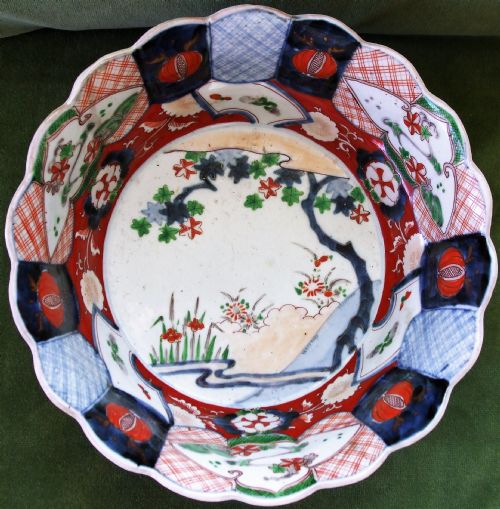
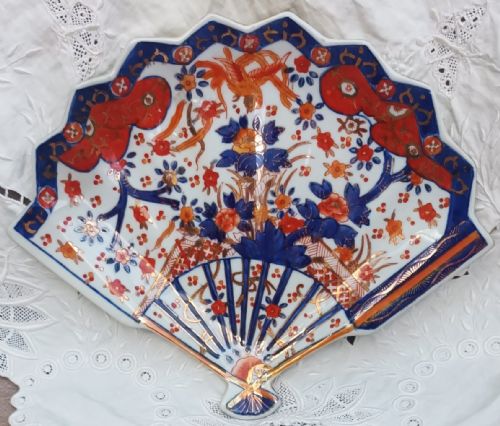
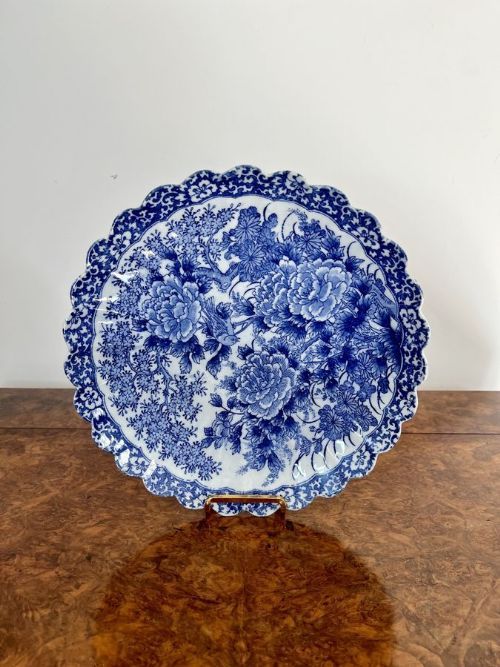
The forms vary from circular plates and deep chargers to hexagonal dishes and scalloped edge bowls. Their primary purpose is visual impact, frequently featuring floral, bird, and traditional landscape motifs rendered in striking colours.
How they were made
Makers shaped these items from ceramic and porcelain, often applying cobalt underglaze to establish the foundational blue designs before firing. Potters then added intricate enamel colours and gilding or gold leaf to complete the rich visual scheme.
Techniques relied heavily on hand painting, ensuring that individual chargers and plates display unique brushwork and pigment variation. The combination of underglaze blue, vibrant enamel, and gilding defined the traditional imari aesthetic across various periods.
Floral Imari Charger Retail Price Guide 2026
Typical asking prices for floral imari charger among the pieces listed under this phrase on Sellingantiques today, from the lower quarter to the upper quarter. They describe what is for sale here now, not the wider market.
The listings feature porcelain, ceramic, and ironstone items decorated with cobalt underglaze, enamel, and gold leaf.
What varies in quality
The refinement of the hand-painted details largely separates standard items from exceptional ones. Finer pieces demonstrate precision in the floral and bird designs, alongside a controlled application of enamel and gold leaf.
The crispness of the porcelain body and the depth of the cobalt underglaze also indicate superior craftsmanship. Scalloped edges, hexagonal forms, and well-balanced weight further distinguish the more ambitious pieces from everyday production.
John Davenport of Longport
The Floral Imari Charger Glossary
- Imari
- A style of ceramic decoration originating in Japan, characterised by a palette of cobalt blue, iron red, and gold. It was widely exported to Europe and subsequently copied by Western potteries.
- Charger
- A large decorative plate or dish traditionally used for display on a sideboard or wall. These items provide a wide surface area for complex painted narratives and floral motifs.
- Cobalt Underglaze
- A blue pigment applied to ceramic pottery beneath the protective glaze before firing. This technique ensures the colour remains permanent and resistant to fading.
- Enamel
- Opaque glass-like material applied over the fired glaze to add bright surface colours. It sits slightly raised on the ceramic body.
- Meiji Period
- A Japanese historical era spanning from 1868 to 1912, associated with a surge in decorative ceramic production for export. Pieces from this time often exhibit intricate detailing.
Floral Imari Charger: Frequently Asked Questions
How were floral imari chargers originally displayed?
These large plates were frequently exhibited on sideboards or hung on walls to showcase the wealth and taste of the household. Their generous diameters and vibrant palettes made them focal points in formal rooms.
Today, collectors continue this tradition by mounting them securely on walls or placing them on sturdy stands in living spaces and dining halls.
Can I use these chargers for serving food?
Most antique chargers and decorative plates are intended strictly for display rather than culinary use. The delicate enamels and gold leaf can wear down with frequent handling and washing.
It is best to treat them as works of art, keeping them away from moisture, heat, and cutlery to preserve the hand-painted surfaces.
How do I distinguish Japanese imari from English imari pattern pieces?
Japanese examples are typically fashioned from traditional porcelain and feature distinct Meiji or Edo period characteristics. English interpretations, such as those in ironstone by makers like John Davenport, often feel heavier and utilise local ceramic bodies.
The underlying paste, weight, and subtle nuances in the cobalt underglaze usually reveal the geographical origin of the piece.
What periods do these chargers usually date from?
The pieces available generally span the nineteenth century, with a strong representation from the Meiji period and the Victorian era. Earlier examples from the eighteenth century and Qing dynasty also appear occasionally.
Dating relies on stylistic clues, ceramic bodies, and historical manufacturing techniques rather than strict uniformity.