


Floral Gilded Porcelain
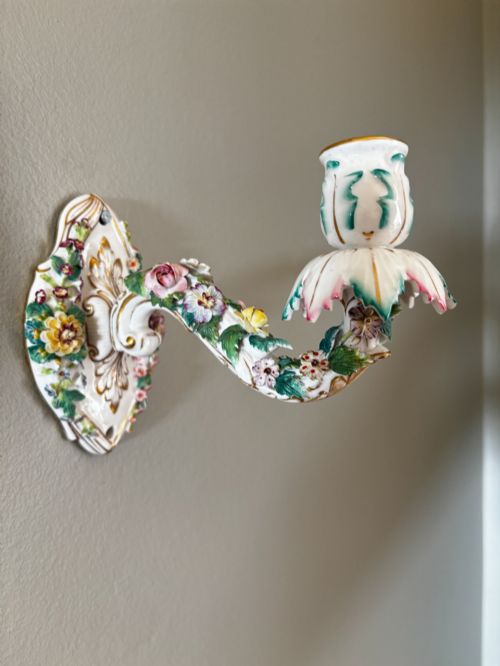
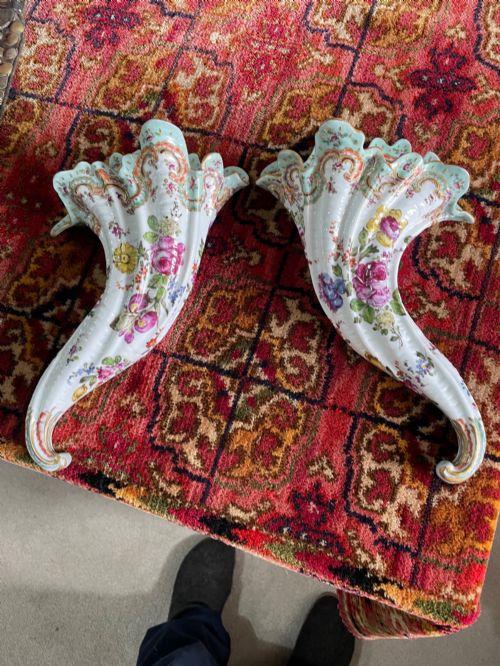
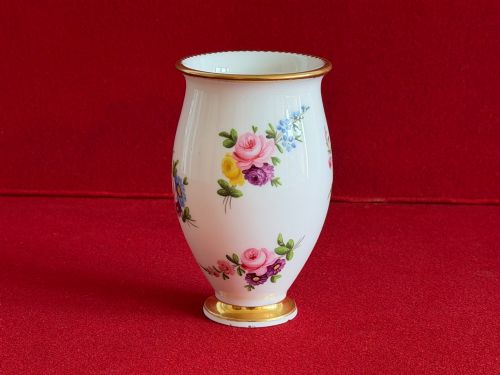
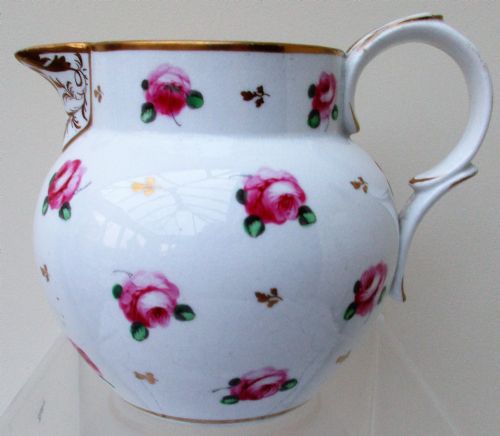
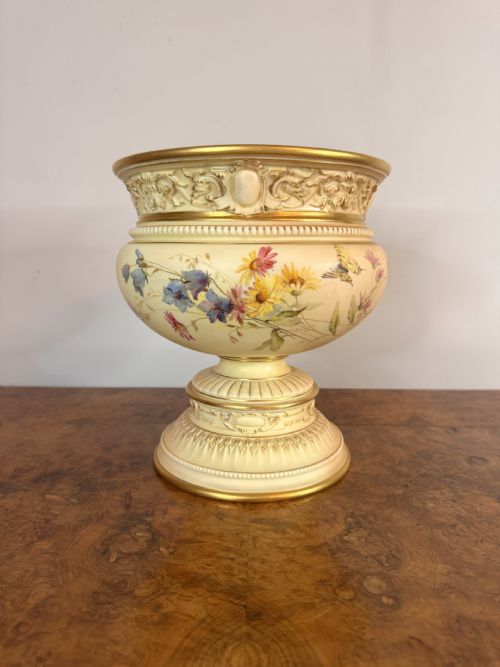
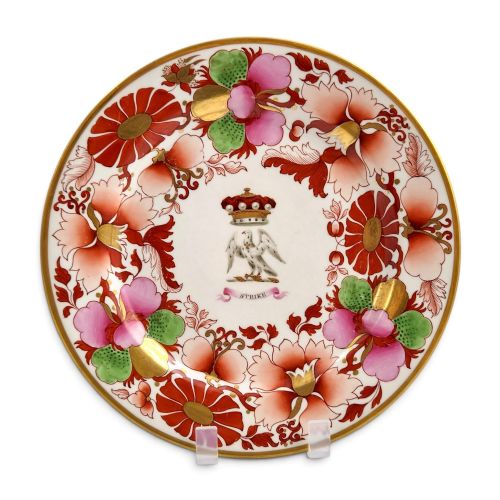
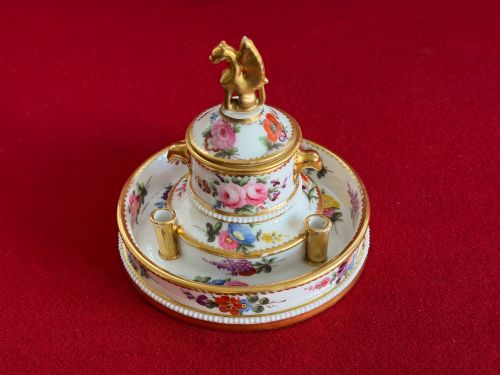
Floral gilded porcelain brings together hand-painted botanical decoration and applied gold leaf across centuries of ceramic artistry.
Floral Gilded Porcelain
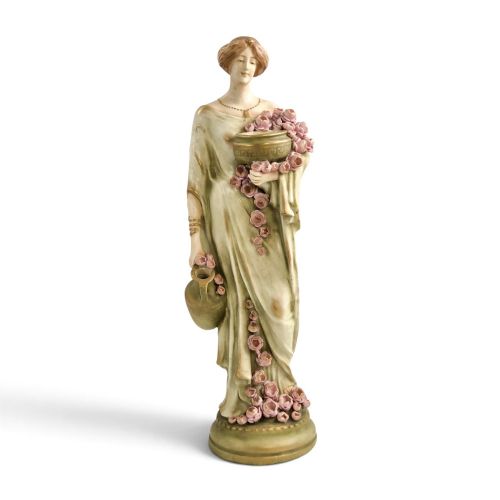
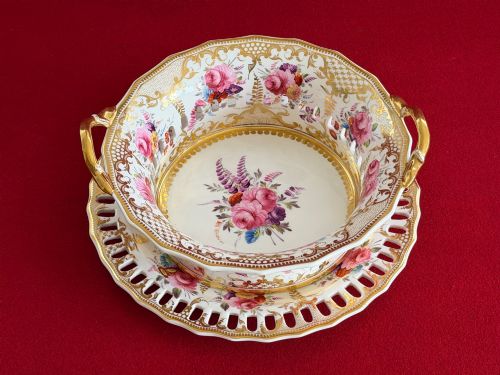
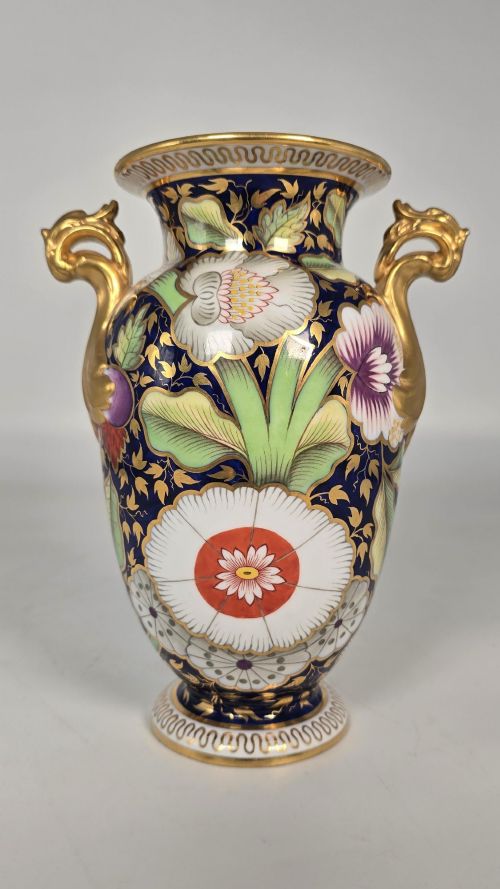
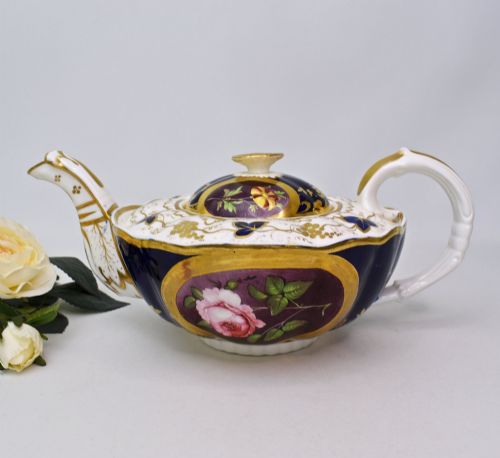
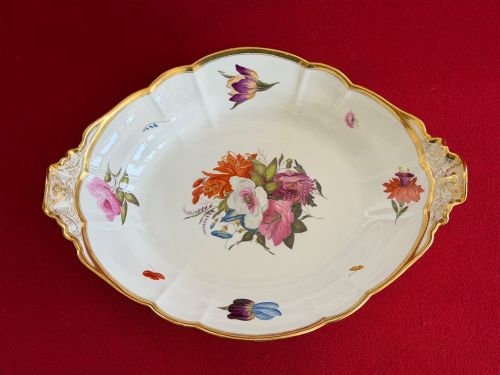
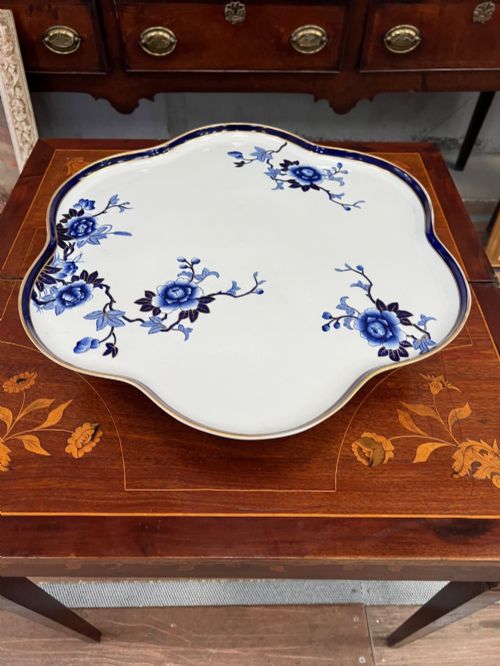
When searching for floral gilded porcelain, collectors encounter pieces ranging from Georgian teapots to Victorian vases and garnitures. These items span functional teaware such as cups, saucers, and trios alongside decorative vessels like campana shape vases, bough pots, and mantle clocks.
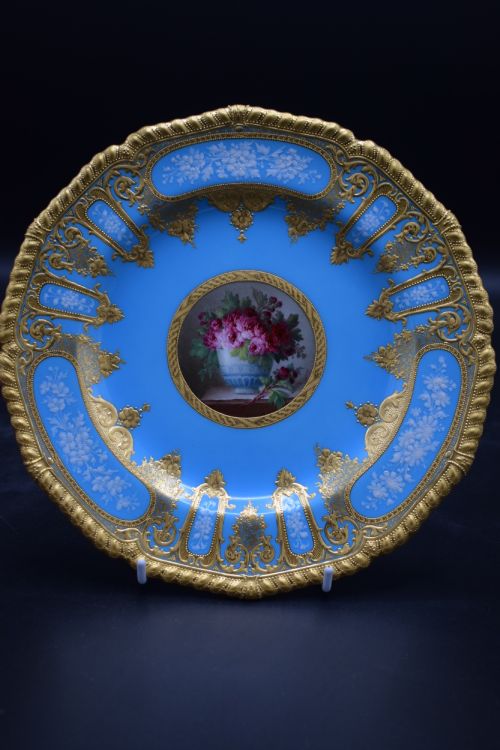
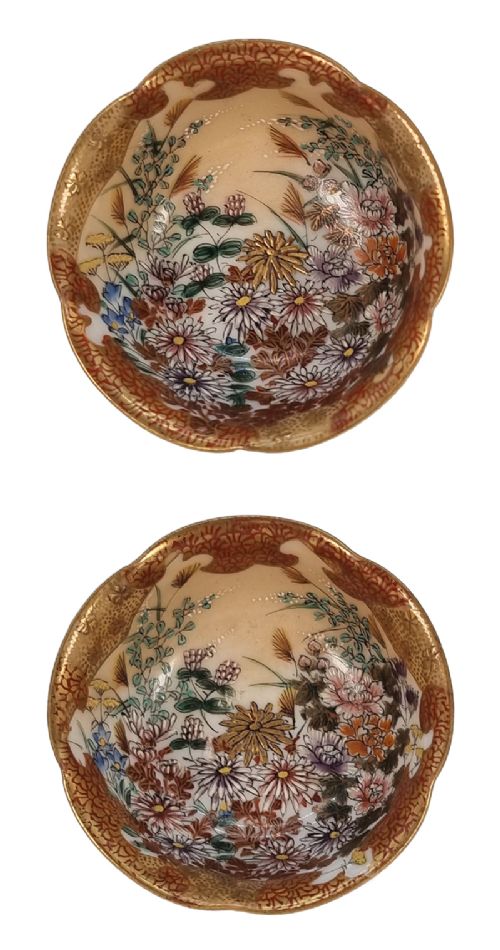
The objects originate from notable English factories including Worcester, Spode, Minton, and New Hall, as well as continental and Japanese makers. Teacups, dessert plates, and cabinet pieces dominate the selection, carrying painted botanical motifs enriched with burnished gold.
How they were made
Potters shaped fine porcelain, bone china, or ironstone bodies before applying coloured enamel pigments by hand. Floral designs were painted directly onto the ceramic surface or over a coloured ground.
Gold leaf, gilt, and enamel were then applied and fired in kilns to fix the metallic sheen. Glaze sealed the ceramic body, providing a glossy finish that protected the delicate painted scenes.
Floral Gilded Porcelain Retail Price Guide 2026
Typical asking prices for floral gilded porcelain among the pieces listed under this phrase on Sellingantiques today, from the lower quarter to the upper quarter. They describe what is for sale here now, not the wider market.
One decorator earned the nickname 'Quaker' despite painting exuberant gold foliage on Derby porcelain.
What varies in quality
The standard of floral gilded porcelain rests upon the precision of the hand painting and the execution of the gilding. Skilled artists achieved botanical realism with fine brushwork, whereas lesser examples display rigid or repetitive floral motifs.
The weight and application of the gold leaf also distinguish finer works, with burnished and raised gilding indicating superior craftsmanship. The refinement of the porcelain body and the complexity of the vessel shape further elevate the tier of the piece.
Royal Worcester·James Giles·William Quaker Pegg·New Hall Porcelain·Spode Porcelain·Minton Porcelain·Thomas Steel·Flight Barr And Barr·Edme Samson·Shozo·H And R Daniel·Chamberlain Worcester·Grainger Worcester·Meissen Porcelain·Masons Ironstone·Royal Crown Derby
The Floral Gilded Porcelain Glossary
- Gilding
- The application of gold leaf or powdered gold onto the ceramic surface to create metallic ornamentation. This technique highlights rims, handles, and framing lines around painted panels.
- Campana
- A classical vase shape resembling an inverted bell with a flared rim and footed base. Such vessels were popular during the Regency period for display.
- Garniture
- A set of matching vases or urns designed to be displayed together on a mantelpiece or sideboard. They typically consist of a central piece flanked by symmetrical companions.
- Trio
- A matching set comprising a teacup, a coffee cup, and a saucer. These sets were common in English porcelain production during the Georgian and Regency eras.
- Bough pot
- A decorative vessel equipped with a pierced cover designed for holding cut flowers or branches. These containers often featured hand-painted landscapes or floral sprays.
Floral Gilded Porcelain: Frequently Asked Questions
What is floral gilded porcelain?
Floral gilded porcelain refers to ceramic items decorated with painted flowers and gold ornamentation. These pieces include tableware, decorative vases, and cabinet items produced across various European and Asian traditions.
Craftsmen applied enamel colours and gold leaf to porcelain, bone china, and ironstone bodies, firing them to create lasting decorative art objects.
How were these pieces used?
Many items served practical functions in polite society, such as serving tea, coffee, or dessert during formal gatherings. Teacups, trios, teapots, and dessert dishes were standard components of dining and drawing room hospitality.
Other objects, including garniture vases, bough pots, and mantle clocks, served purely decorative purposes to ornament grand interiors and display the owner's taste.
How can I tell different periods apart?
Periods are identified through a combination of paste composition, factory marks, shape styles, and decorative palettes. Georgian and Regency pieces often feature neo-classical shapes and meticulous hand-painting, while Victorian items lean towards exuberant revival styles and rich coloured grounds.
Factory marks, pattern numbers, and stylistic cues recorded in the manufacturing details help narrow down the date of production.