


Floral Flatweave Rug
A floral flatweave rug brings warmth and botanical colour to a room, offering tactile texture and traditional patterns underfoot.
Floral Flatweave Rug
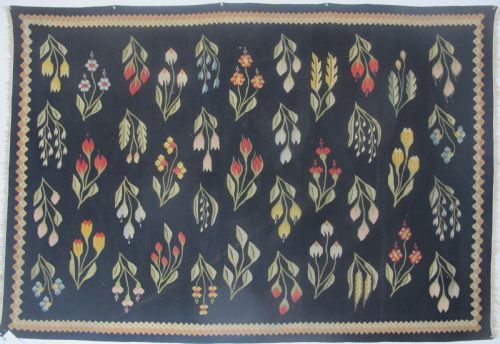
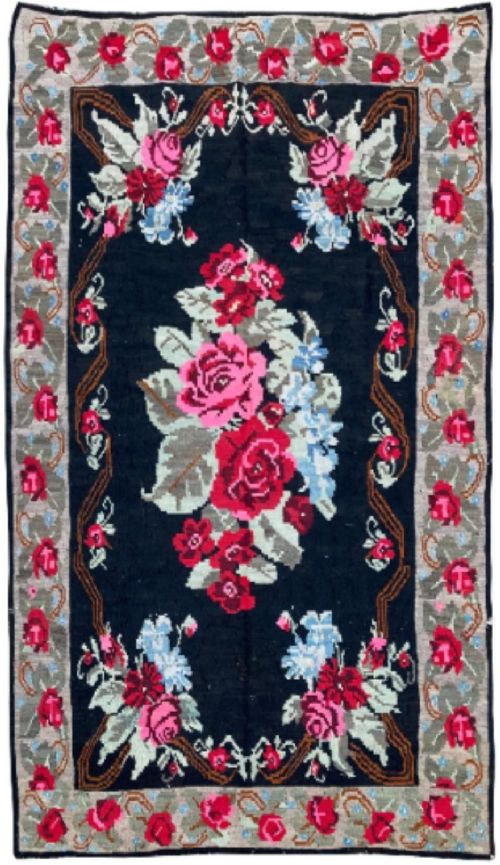
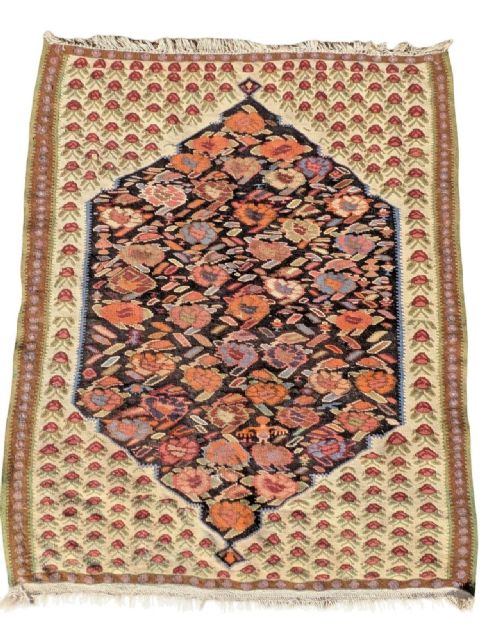
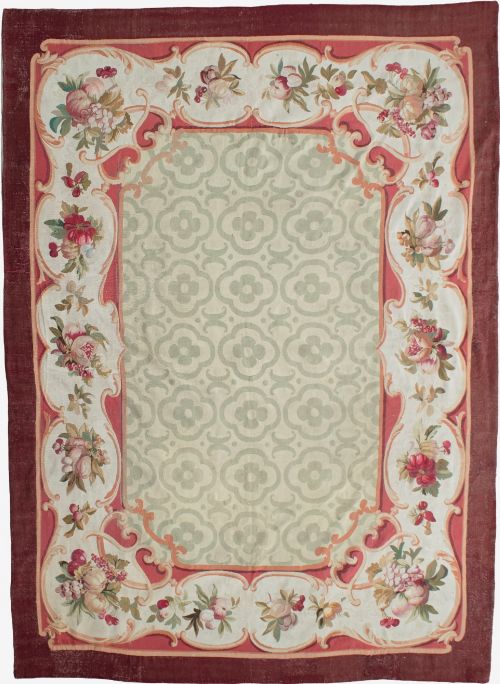
A floral flatweave rug encompasses a diverse group of floor coverings and textiles originating from regions including Bessarabia, France, Persia, and the Caucasus. These pieces span the nineteenth and twentieth centuries, featuring distinct botanical motifs worked into flat surfaces rather than deep piles.
The most frequently encountered examples on this page are antique Bessarabian kilims and French Aubusson carpets. Buyers also encounter Ukrainian, Moldovan, and Thracian flatweaves alongside Portuguese needlepoint and Persian pieces.
These textiles function primarily as area rugs, tapestries, and carpets, designed to anchor a room with floral artistry. Their flat structures suit various living spaces, combining historical craftsmanship with practical interior use.
Assessing Quality and Execution
Quality in these textiles rests upon the precision of the weave and the clarity of the botanical design. Finer examples display meticulous control over wool and cotton materials, ensuring crisp outlines within the floral motifs.
The depth of colour palette and the sophistication of regional styles, such as French Rococo or Eastern European folk art, separate standard pieces from exceptional ones. Superior execution shows in the harmonious balance between background fields and floral borders.
Several textiles hide floral gardens within their weaves, blooming year-round regardless of the weather outside.
The Floral Flatweave Rug Glossary
- Kilim
- A flatwoven textile produced without a pile, common across Eastern Europe, the Caucasus, and Persia. This technique creates a smooth, reversible surface.
- Tapestry
- A form of textile art woven on a vertical or horizontal loom, often featuring pictorial or floral scenes. These pieces function as wall hangings or floor rugs.
- Needlepoint
- Embroidery stitched onto a canvas mesh ground, allowing for detailed floral patterns. This technique appears frequently in Portuguese examples.
- Flatweave
- A general term for rugs and carpets made without knotted piles, created through interlocking warp and weft threads. Such textiles lie thin and flat upon the floor.
- Chain stitch
- An embroidery technique where loops of thread form a continuous chain line. This method builds textured botanical designs across the textile surface.
Floral Flatweave Rug: Frequently Asked Questions
What is a floral flatweave rug?
A floral flatweave rug is a non-pile textile featuring botanical designs created through weaving or needlework techniques. These pieces originate from various historical traditions across Europe and the Near East.
Such rugs provide a flat surface that sits easily under furniture while introducing traditional floral motifs to a room.
How do I care for a flatweave rug?
Caring for these textiles involves gentle shaking, careful vacuuming without a rotating brush, and professional cleaning when necessary. Protecting them from direct sunlight helps preserve the natural dyed wool and cotton.
Regular rotation ensures even wear across high-traffic areas of the home.
Where were these rugs made?
The pieces originate from diverse locations including Bessarabia, France, Persia, Portugal, and the Caucasus. Each region developed distinct aesthetic traditions, from French Aubusson designs to Eastern European folk art.
Local materials and cultural techniques shaped the appearance of textiles from each specific area.
How can I tell different regional styles apart?
Regional styles reveal themselves through specific colour palettes, floral arrangements, and weaving methods. French examples often display classical Rococo or Chateau influences, while Bessarabian and Ukrainian kilims typically feature bold folk floral sprays.
Examining the structure, such as distinguishing between needlepoint and slit-tapestry weaves, also clarifies origin.