


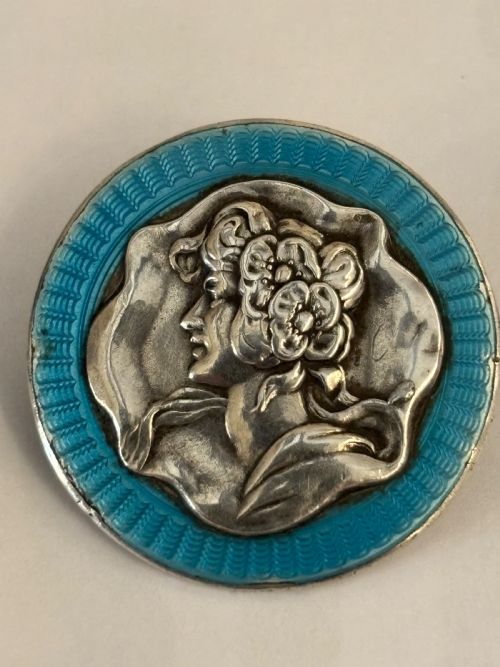
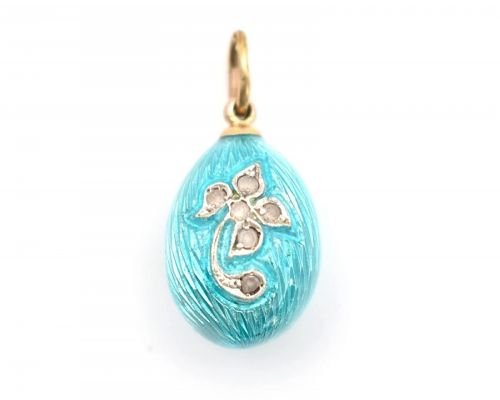
Floral Enamel Jewellery
Floral enamel jewellery brings together delicate metalwork and vibrant colour, offering wearable blossoms that capture the enduring appeal of natural forms across multiple decades.
Floral Enamel Jewellery
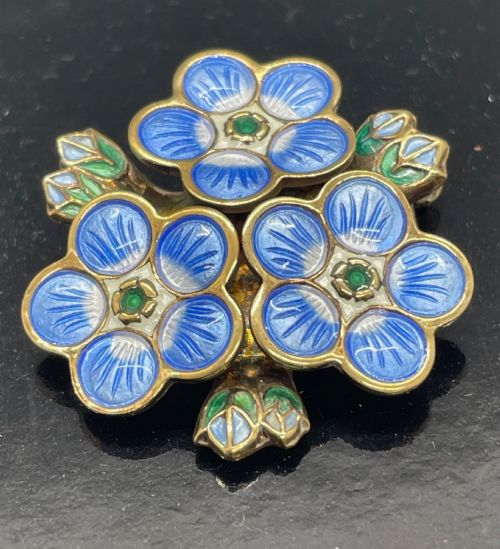
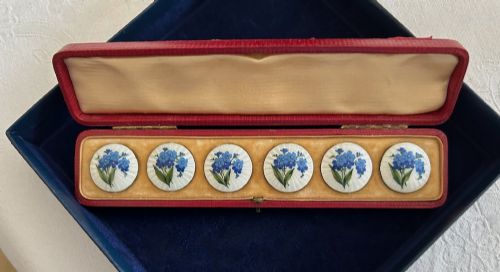
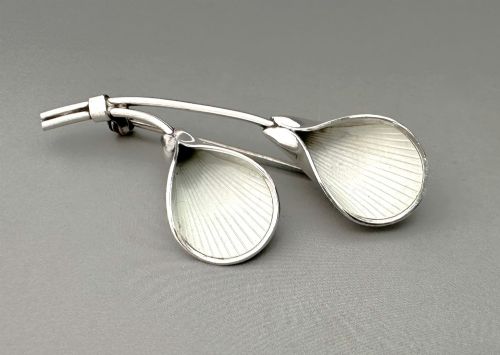
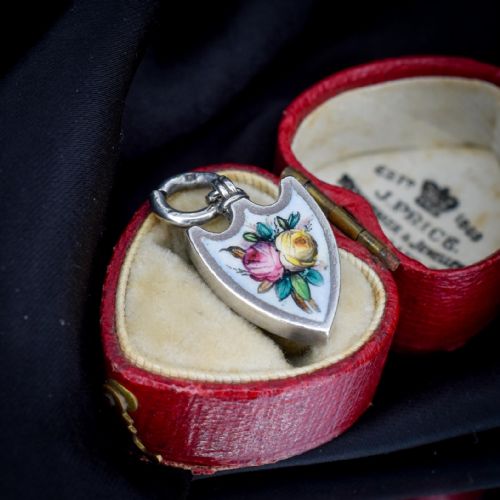
Floral enamel jewellery encompasses brooches, pendants, bracelets, and earrings shaped as flowers, leaves, and botanical motifs. Buyers exploring floral enamel jewellery will find pieces ranging from Victorian sentimental designs to mid-century Scandinavian modernist creations.
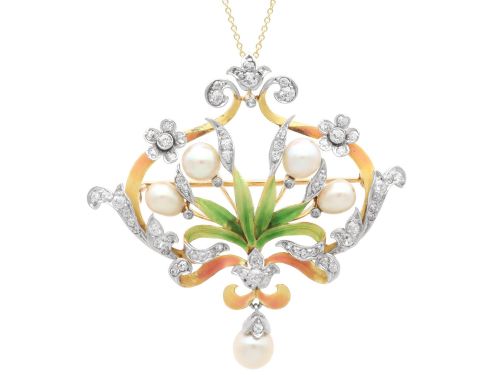
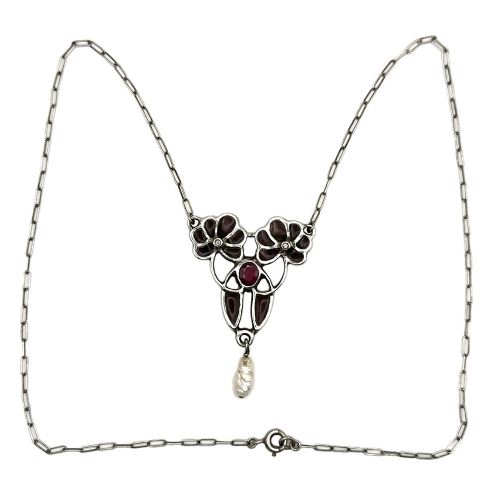
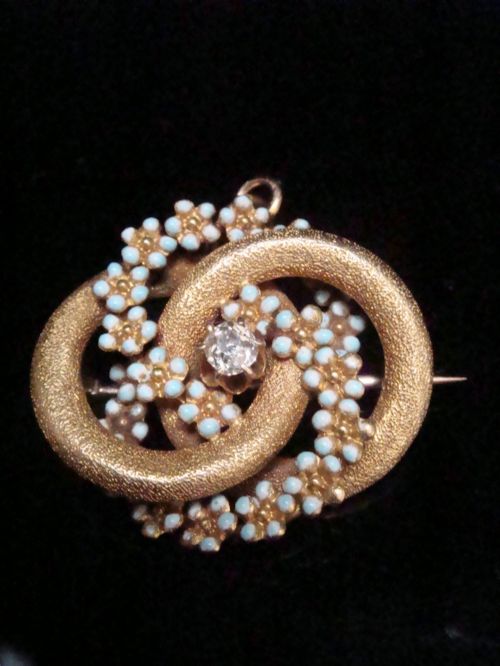
Brooches and pendants predominate among the available objects, often incorporating natural elements like pearls, diamonds, and moonstones alongside coloured glass and vitreous coatings. Pieces span from the late nineteenth century through to the nineteen-sixties.
How they were made
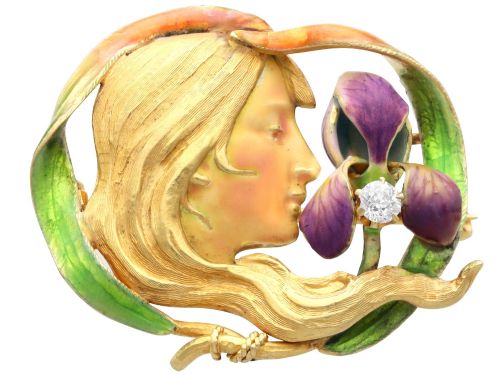
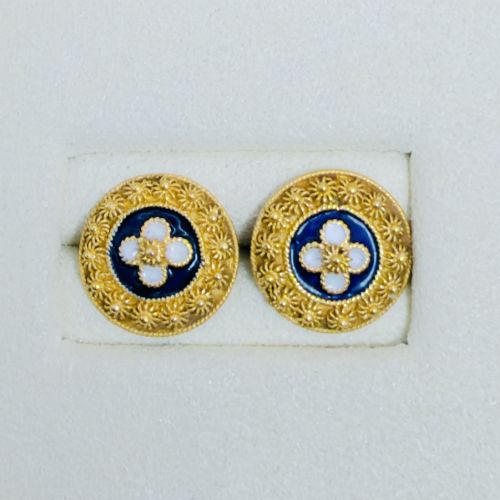
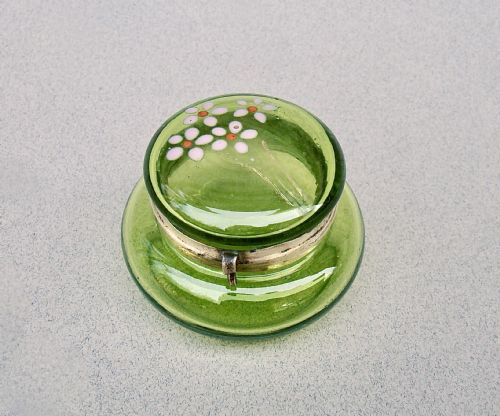
Craftsmen utilised sterling silver, silver gilt, and high-carat yellow gold to construct the structural mounts for these botanical pieces. Vitreous enamel, applied in liquid or paste form and fired at high temperatures, creates the translucent or opaque coloured petals.
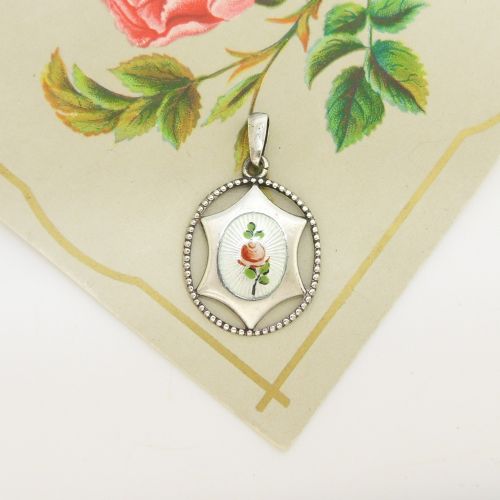
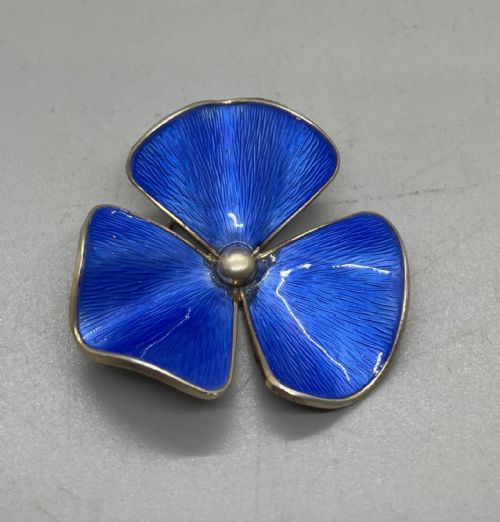
Techniques varied by region and period, with guilloche enamel providing engine-turned geometric patterns beneath translucent coloured layers. Cloisonné and plique-à-jour methods permitted varying degrees of light transparency through the enamel cells, while stones such as diamonds and pearls were grain or bezel set into the precious metal.
What varies in quality
Quality rests in the precision of the metalwork and the evenness of the enamel firing, where superior examples display seamless transitions of colour and zero pitting across the botanical surfaces. The integration of supporting gemstones, such as matched pearls or clean diamonds, elevates the refinement of the piece.
Design sophistication also dictates standing, as evidenced by masterworks from notable workshops exhibiting fluid anatomical accuracy in petals and stems rather than rigid, mass-produced symmetry.
A H Darby And Son·S Theeman·Charles Horner
The Floral Enamel Jewellery Glossary
- Guilloche enamel
- A decorative technique where metal is engraved with an intricate repeating pattern under translucent enamel. This method creates a shimmering depth that catches light from beneath the coloured surface.
- Plique-a-jour
- An enamelling technique resembling miniature stained glass, where enamel is applied within a wire framework without a backing metal. It allows light to pass directly through the translucent coloured portions.
- Cloisonne
- Enamelling work where thin metal strips are soldered to a metal base to form compartments that hold the coloured paste. Japanese artisans utilised this method extensively on decorative boxes and vessels.
- Silver gilt
- Sterling silver that has been coated with a thin layer of gold through chemical or electrolytic processes. This finish provides the visual warmth of gold while retaining a silver base.
- Arts and Crafts
- A design movement valuing hand-craftsmanship, natural materials, and traditional motifs over industrial manufacturing. Pieces from this era often display visible hammer marks and organic botanical subjects.
Floral Enamel Jewellery: Frequently Asked Questions
How do I date floral enamel jewellery?
Dating relies on examining the metal hallmarks, clasp types, and stylistic markers inherent to specific decades. Victorian and Edwardian examples often feature closed-back settings and hinged pin stems, whilst mid-century Scandinavian pieces display modernist geometric abstracts.
Assay office stamps and maker marks provide definitive chronological anchors when present on the reverse of the metal mount. Stylistic shifts, such as the transition from organic Art Nouveau vines to clean nineteen-fifties floral motifs, further clarify the period.
What is guilloche enamel?
Guilloche is a decorative technique involving mechanical engraving of a metal substrate prior to the application of translucent enamel. The underlying pattern reflects light through the coloured glass layer to create a shimmering effect.
This method appears frequently on compacts, brooches, and pendants across the Edwardian and mid-century eras. The precision of the underlying engine-turned lines distinguishes finer examples from simpler stamped alternatives.
How should I clean enamel jewellery?
Cleaning requires warm water, mild soap, and a soft cloth to gently wipe away accumulated dust without scratching the vitreous surface. Harsh chemical dips and ultrasonic cleaners must be avoided, as they can damage delicate enamel and loosen glued stones.
Pearls and opals frequently accompanying these botanical designs demand particular caution regarding moisture exposure. Gentle drying with a lint-free cloth preserves the polished finish of both metal and glass.
What is plique-a-jour enamel?
Plique-a-jour is a translucent enamelling process executed without a backing metal, creating the visual effect of miniature stained glass. Light shines directly through the coloured cells, illuminating the botanical design from behind.
Because of its delicate structure, this technique requires exceptional skill from the metalsmith and artisan. Surviving examples from the Art Nouveau period remain highly sought after by collectors.