


Floral Cut Glass
Floral cut glass brings bright botanical detail to tables and walls, spanning Victorian, Edwardian, and Art Deco eras through brilliant lead crystal and clear glass.
Floral Cut Glass
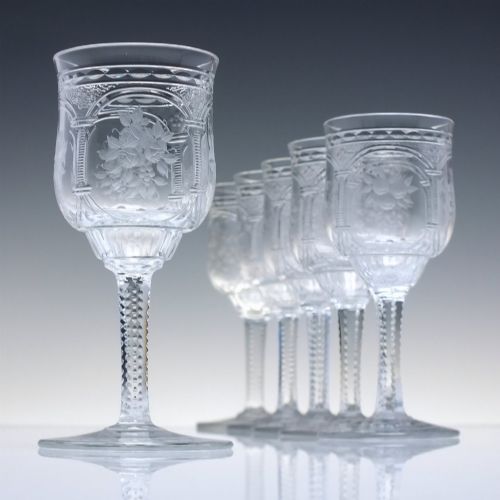
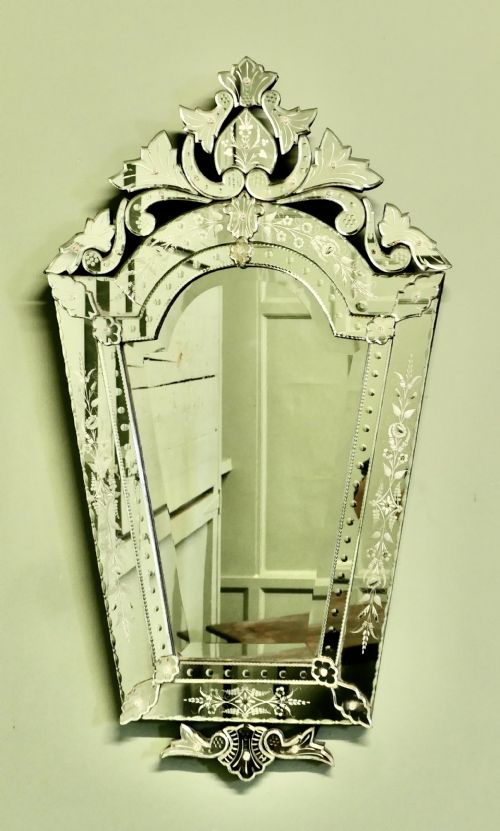
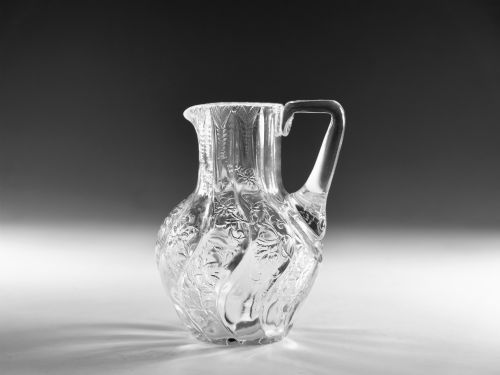
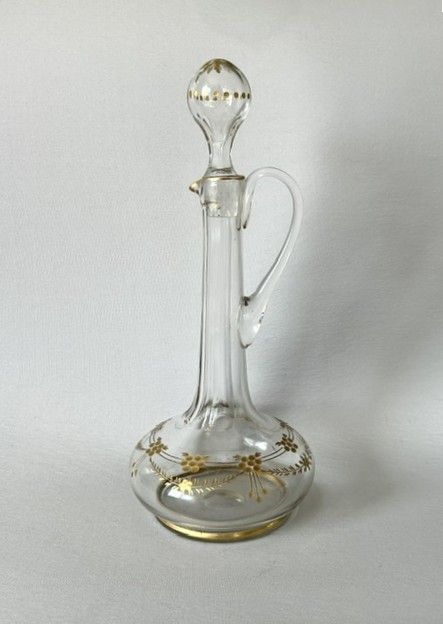
When searching for floral cut glass, buyers encounter a diverse selection of decorative items ranging from functional tableware to grand mirrors and fire screens. The pieces span periods from the mid-nineteenth century through the Edwardian years and into Art Deco design, reflecting changing domestic tastes.
Tableware forms dominate the selection, particularly wine glasses, pedestal bowls, decanters, and jugs intended for dining and display. Alongside these vessels sit wall mirrors, centrepieces, and occasional lighting, all united by botanical motifs executed in lead crystal and clear glass.
Materials and construction
Glassmakers utilised lead crystal and clear glass as the primary canvases for deep wheel-cutting, etching, and engraving. These techniques allowed artisans to carve intricate floral patterns, leaves, and scrolling vines directly into the heavy material.
Metal mounts in brass, silver, and gilt bronze frequently frame or support the glass elements, adding structural weight and decorative contrast to jugs, mirrors, and centrepieces.
Victorian dining tables often hosted harlequin sets of wine glasses, where no two guests drank from the exact same botanical pattern.
Evaluating craftsmanship
Quality reveals itself in the crispness and depth of the wheel-cut facets and the fineness of the etched botanical details. Superior pieces show precise symmetry in the cutting and high clarity in the crystal.
The integration of secondary materials such as solid silver mounts, gilt bronze frames, and delicate paste gilding distinguishes finer production from standard utilitarian wares.
Stevens and Williams·William Davenport·Galle
The Floral Cut Glass Glossary
- Cut glass
- Glass decorated by grinding and polishing facets into the surface using wheels of varying sizes. This technique creates geometric and floral patterns that catch the light.
- Lead crystal
- A high-clarity glass containing lead oxide, which increases the weight, brilliance, and softness required for deep cutting. It remains the standard medium for fine nineteenth and twentieth-century tableware.
- Claret jug
- A pouring vessel designed specifically for serving red wine at the dining table. They frequently combine a cut glass body with a hinged metal lid.
- Centrepiece
- A large decorative bowl, basket, or stand placed in the middle of a dining table. They often incorporate elaborate metal frames and heavy glass reservoirs.
- Etched glass
- Glass decorated by applying acid to eat away the surface, producing frosted lines and opaque botanical designs. It offers a softer contrast to mechanical wheel-cutting.
Floral Cut Glass: Frequently Asked Questions
What is floral cut glass?
Floral cut glass encompasses decorative and functional household objects featuring botanical motifs carved or etched into crystal and clear glass surfaces. These pieces include everything from wine glasses and jugs to mirrors and fire screens.
Originating primarily from the Victorian and Edwardian periods, the style highlights the natural world through detailed wheel-cutting and silver mounts.
How do I date these pieces?
Dating relies on stylistic shifts, material combinations, and occasional hallmarks on accompanying silver mounts. Victorian examples often feature heavy, deep cutting and ornate floral arrangements.
Later Edwardian and Art Deco pieces introduce lighter frames, brass settings, and stylised botanical etching influenced by contemporary artistic movements.
Were these items used daily?
Many items, such as wine glasses, decanters, and claret jugs, served functional roles during formal dining and entertaining. Other objects like centrepieces and mirrors remained purely decorative additions to the interior.
Their survival in good condition suggests careful handling and preservation by generations of owners who valued their craftsmanship.
How should I clean them?
Gentle hand washing in lukewarm water with mild soap preserves the delicate glass and any attached metal components. Harsh chemicals and abrasive scourers should be avoided to protect the polished facets and metal patinas.
Items with silver mounts or gilt bronze require specific care to prevent tarnishing the surrounding metalwork.