

Floral Chest of Drawers
A floral chest of drawers brings intricate floral marquetry and inlaid botanicals together with centuries of cabinet-making craftsmanship.
Floral Chest of Drawers
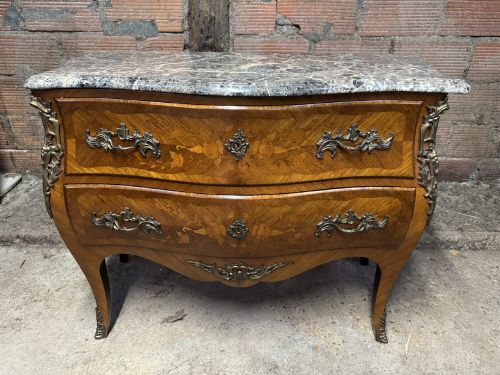
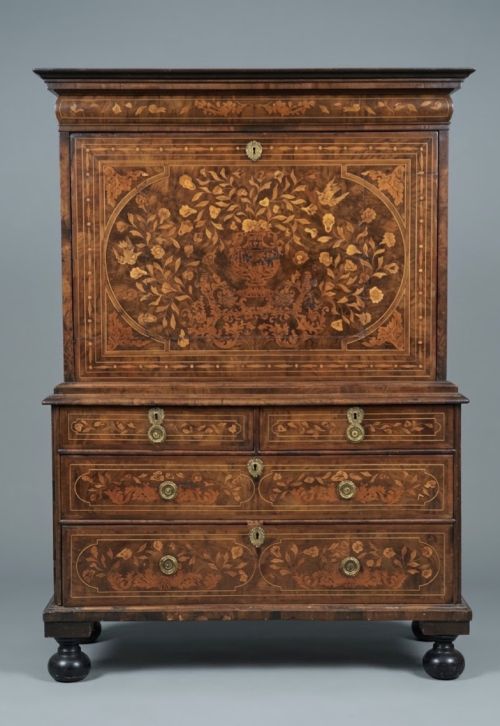
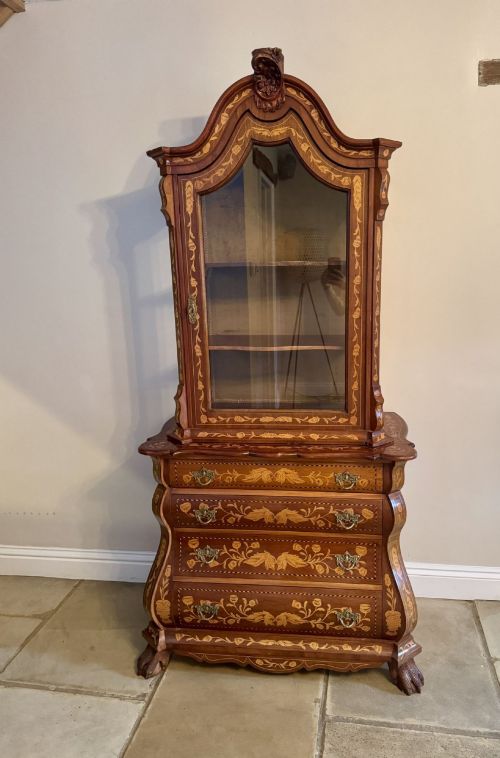
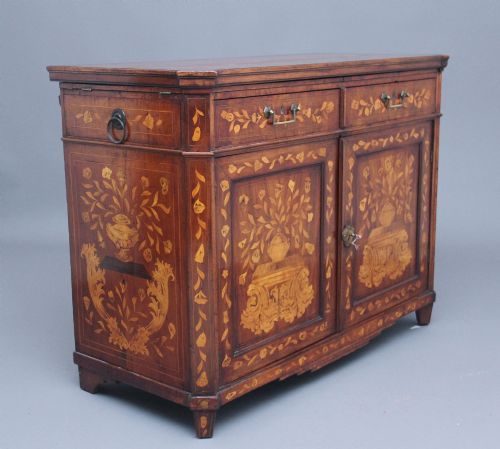
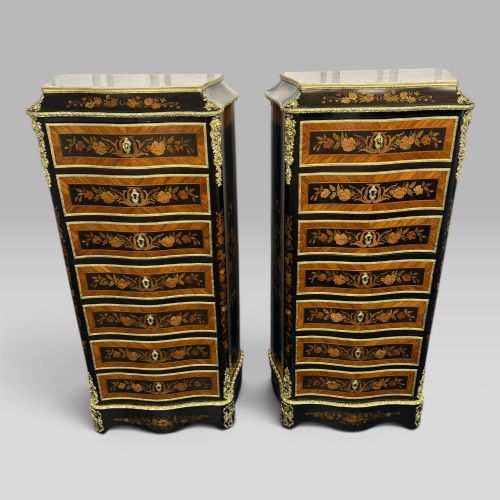
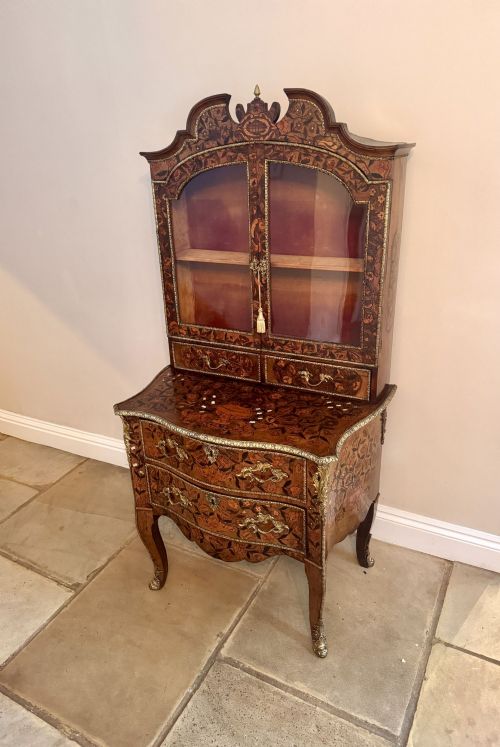
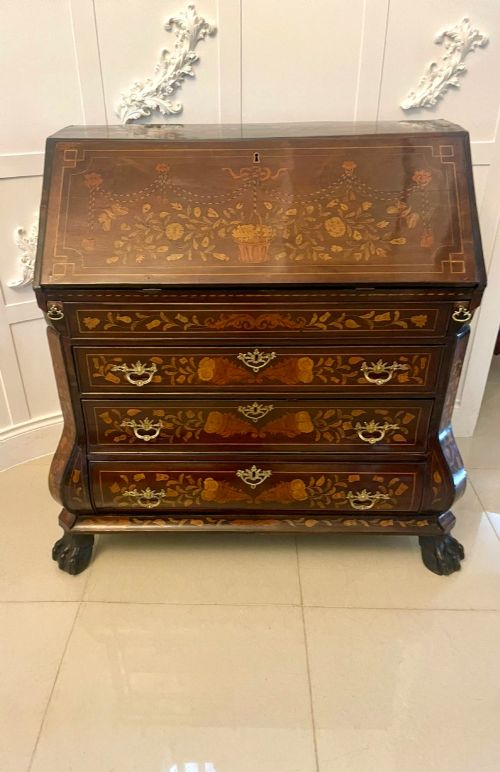
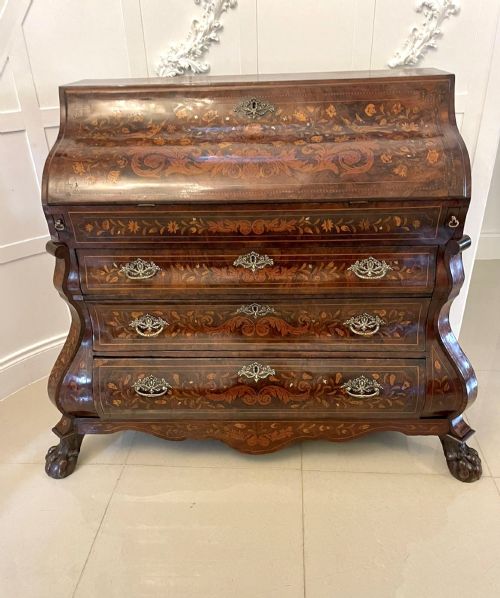
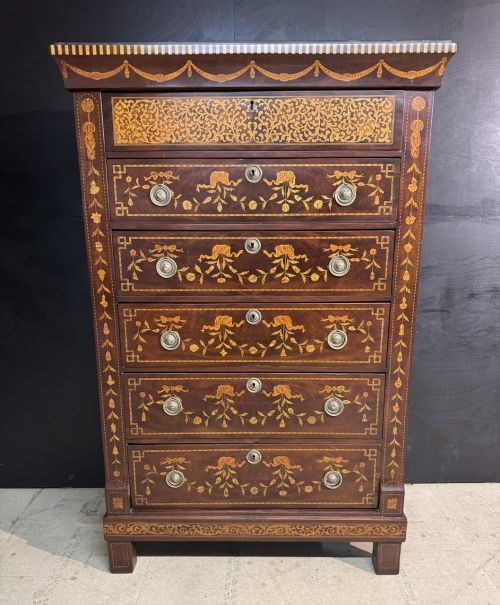
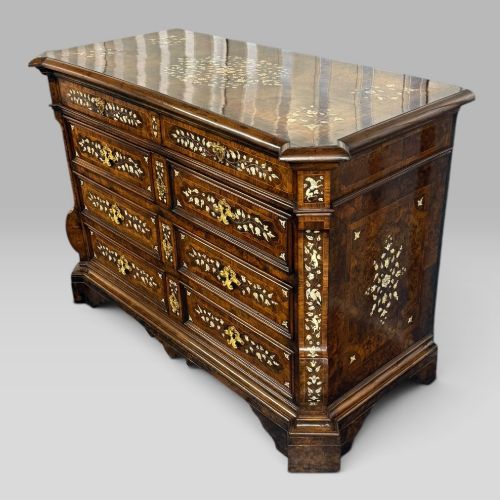
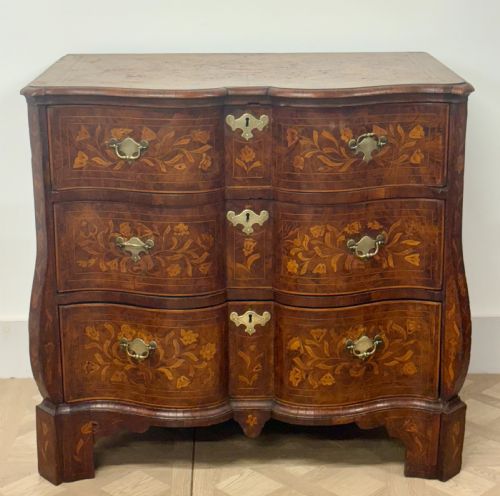
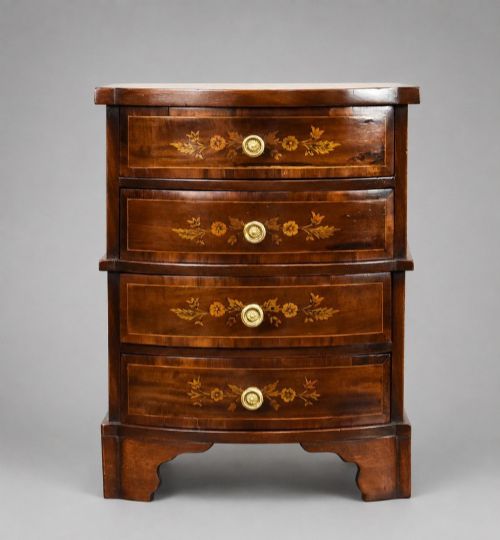
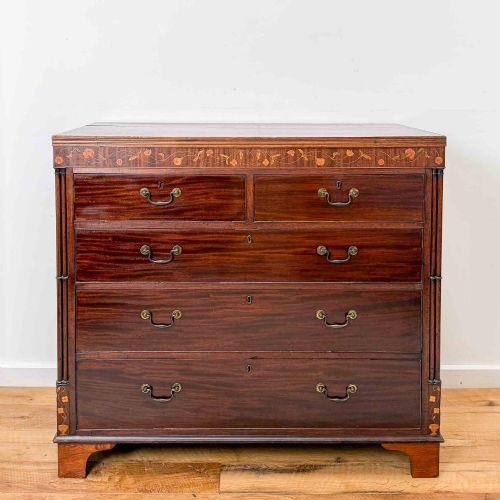
A floral chest of drawers unites functional domestic storage with elaborate decorative marquetry depicting floral motifs, urns of flowers, and leafy tendrils. The listings here frequently present examples from the eighteenth and nineteenth centuries, alongside revival pieces from later decades.
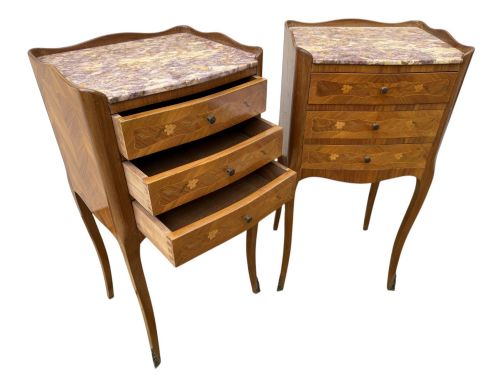
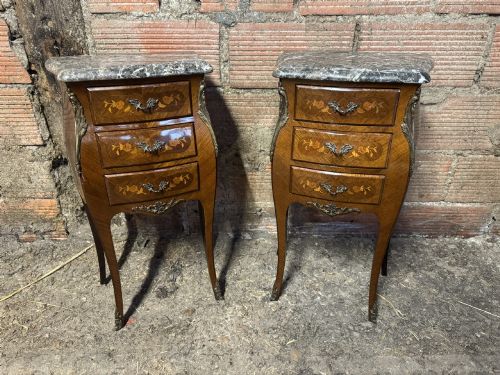
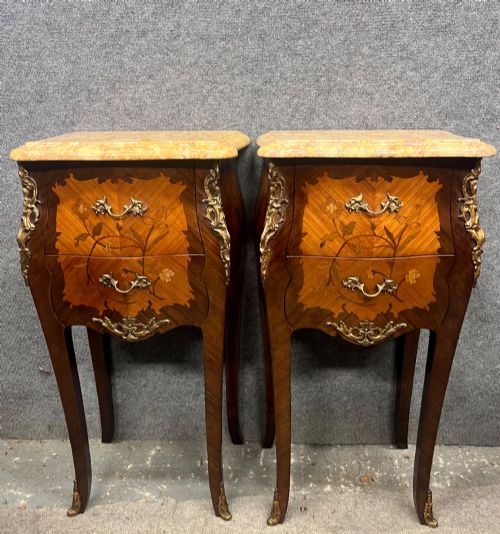
Makers utilised various regional forms, ranging from serpentine French commodes and bombe Dutch chests to English walnut and mahogany drawer units. Buyers encounter tallboys, bedside cabinets, and diminutive bedside chests sharing this characteristic floral ornamentation.
The tradition spans multiple periods, including seventeenth-century examples, eighteenth-century Dutch workshops, and later nineteenth-century French and Sheraton revival interpretations. Each era brings distinct proportions and timber choices to the surface decoration.
Distinctions in quality
Quality rests significantly in the precision of the marquetry cutter and the complexity of the botanical compositions rendered across the drawer fronts. Finer pieces demonstrate crisp lines within the floral details and thoughtful tonal shifts utilising varied fruitwoods and kingwood veneers.
The integrity of the underlying cabinetwork, including secondary timbers used for drawer linings and the smoothness of drawer operation, separates standard production from master craftsmanship. Superior examples retain original mounts, well-figured primary walnut or mahogany, and uncompromised structural stability.
Floral Chest of Drawers Retail Price Guide 2026
Typical asking prices for floral chest of drawers among the pieces listed under this phrase on Sellingantiques today, from the lower quarter to the upper quarter. They describe what is for sale here now, not the wider market.
Periods represented span from the seventeenth century through to 1930s French and English revival commissions.
Edwards and Roberts·Grand Ducal Workshops
The Floral Chest of Drawers Glossary
- Marquetry
- Decorative veneer work arranged in geometric or pictorial patterns, using various coloured woods to create floral or figurative designs on furniture surfaces.
- Bombe
- A swollen or bulging contour characteristic of continental furniture fronts and sides, popular in eighteenth-century Dutch and French pieces.
- Ormolu
- Gilded bronze mounts and decorative hardware applied to cabinet furniture, particularly common on French commodes and nineteenth-century revival pieces.
- Serpentine
- A furniture front or top shaped with a curving line, presenting a convex centre flanked by concave ends.
- Kingwood
- A dense, richly figured Brazilian timber utilised for contrasting veneers in fine cabinetry and marquetry work.
Floral Chest of Drawers: Frequently Asked Questions
How do I care for a marquetry chest?
Keep wooden surfaces away from direct sunlight and radiators to prevent veneer cracking or fading over time.
Apply microcrystalline wax occasionally and buff gently with a soft cloth rather than using silicone sprays.
Are these chests suitable for daily bedroom use?
Most historic drawer units function well for storing garments, provided drawers slide smoothly without excessive force.
Line drawer bases with acid-free tissue paper to protect delicate interior timbers from wear.
How can I tell an eighteenth-century piece apart from a revival?
Examine the secondary timbers inside drawer linings and check for hand-cut dovetailing methods typical of earlier periods.
Revival pieces often utilise standardised machine-sawn components and brighter, more uniform modern adhesives.
Where should I place a bombe chest in a room?
Bombe chests feature pronounced curving profiles that require clearance to be appreciated fully as focal furniture points.
Avoid tight hallways and position them against open walls where their side contours remain visible.