


Floral Area Rug
A floral area rug brings centuries of woven artistry into a room, offering botanical motifs and rich regional character.
Floral Area Rug
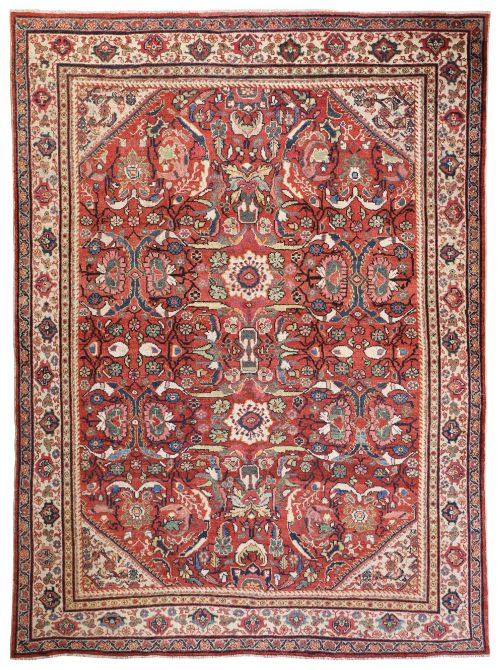
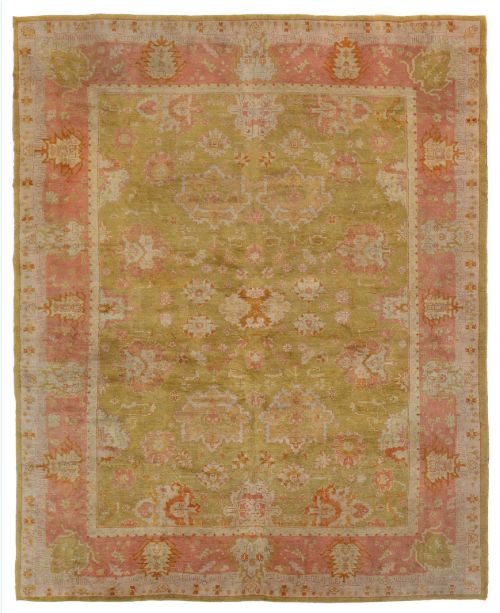
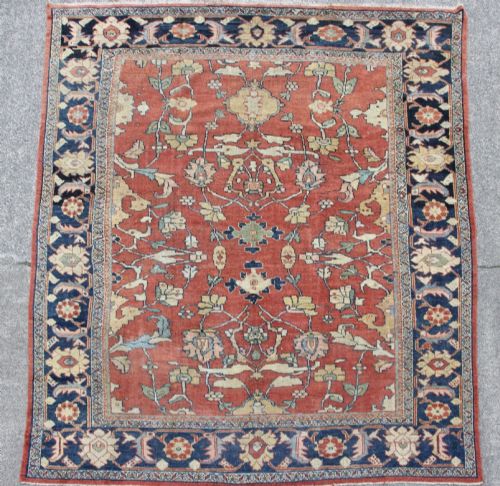
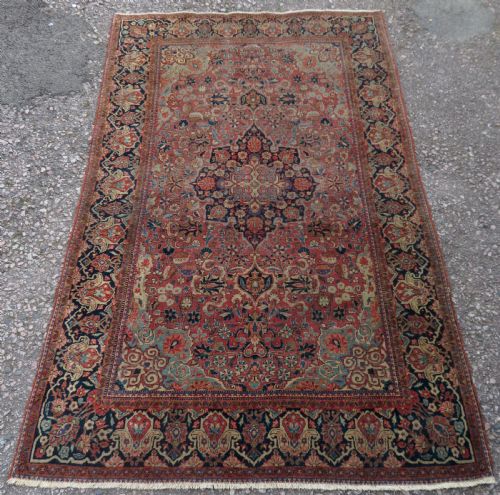
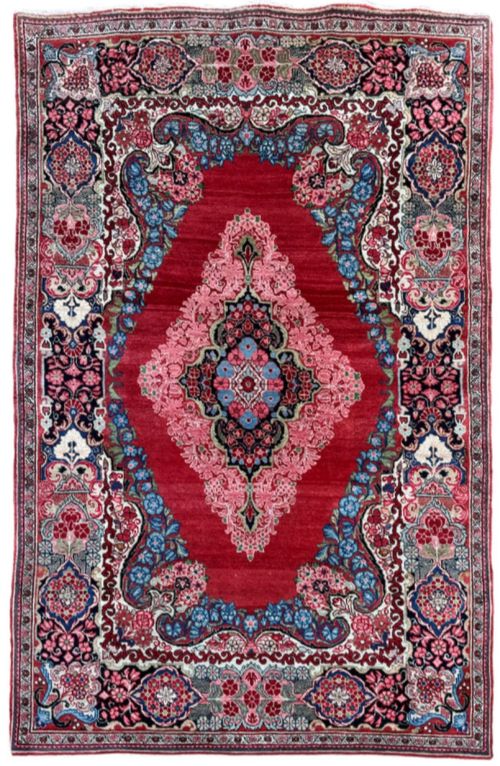
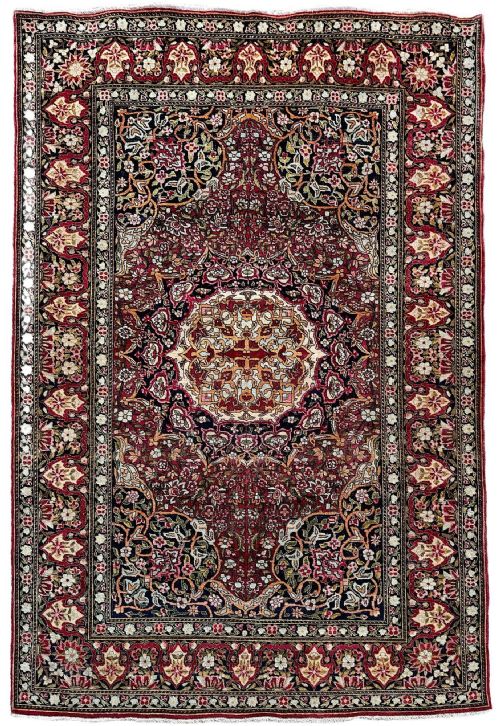
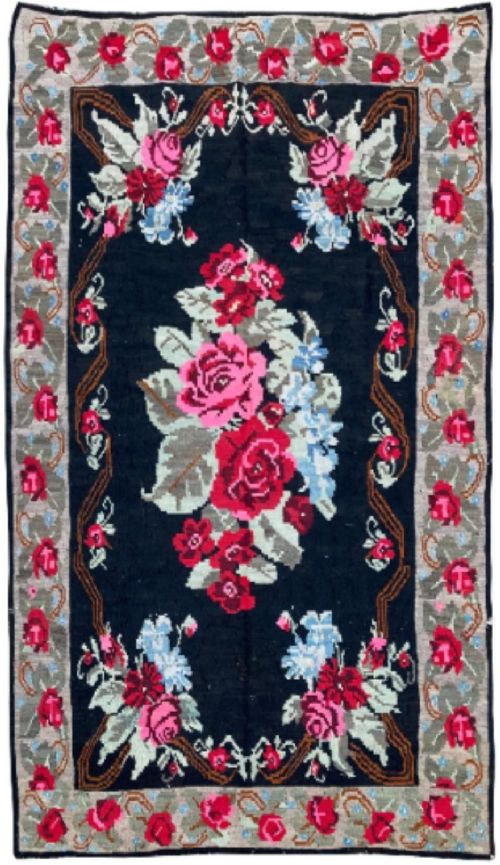
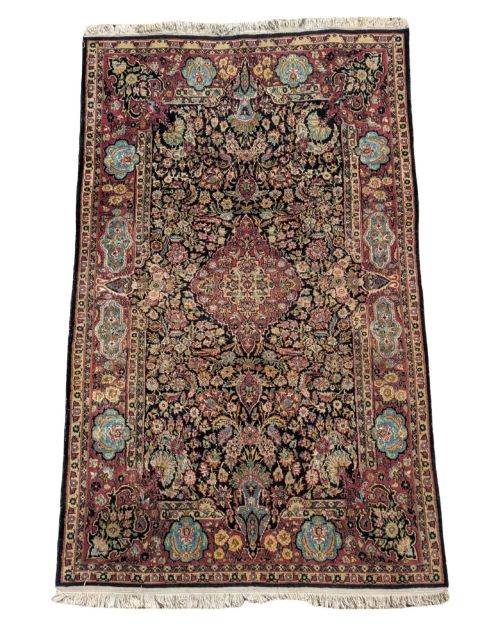
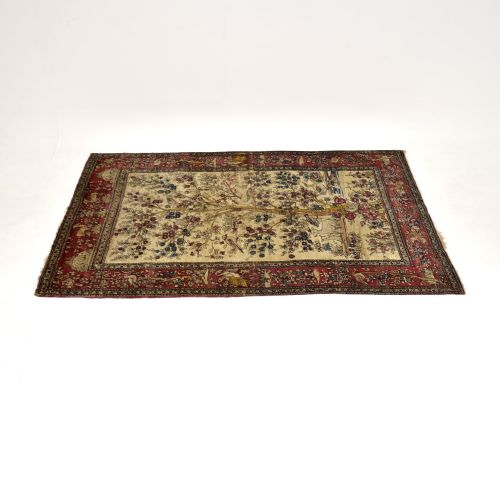
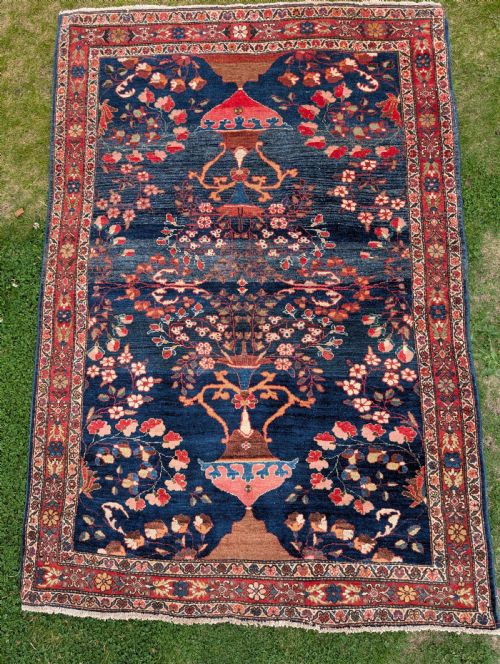
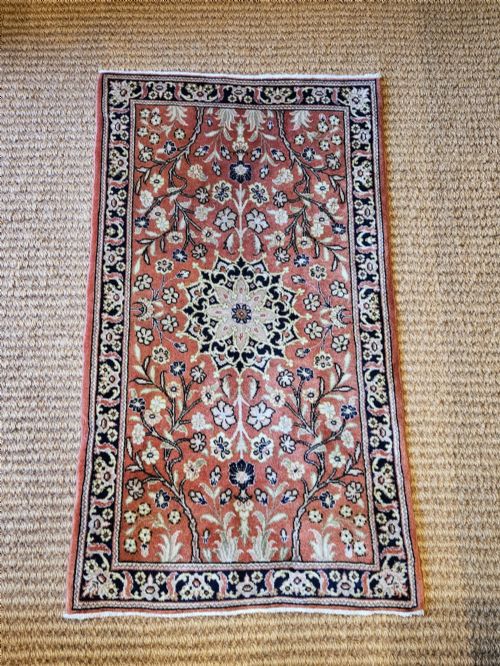
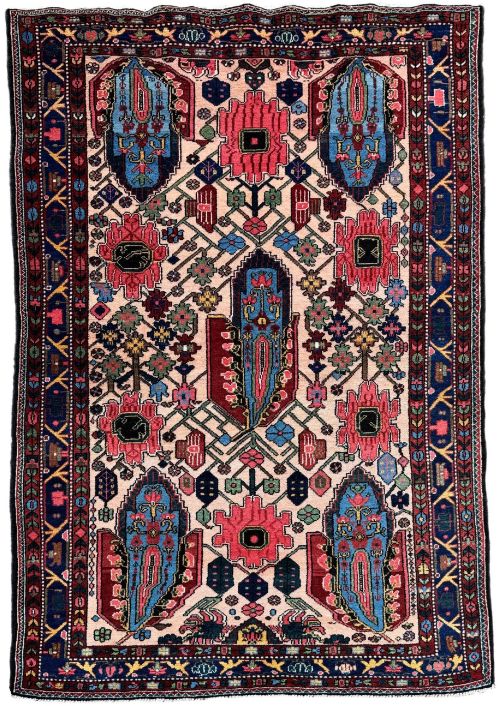
A floral area rug spans diverse origins, from Persian workshops like Kashan and Tabriz to European centres such as Aubusson and Donegal. Buyers searching for a floral area rug encounter formats ranging from hearth-sized pieces to large country house carpets.
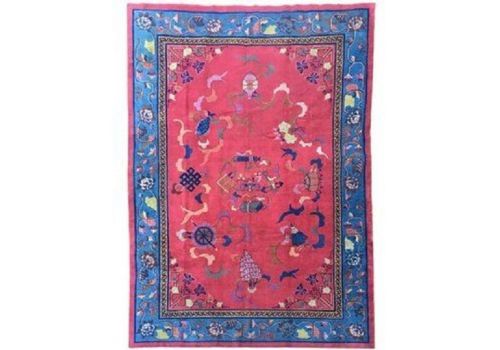
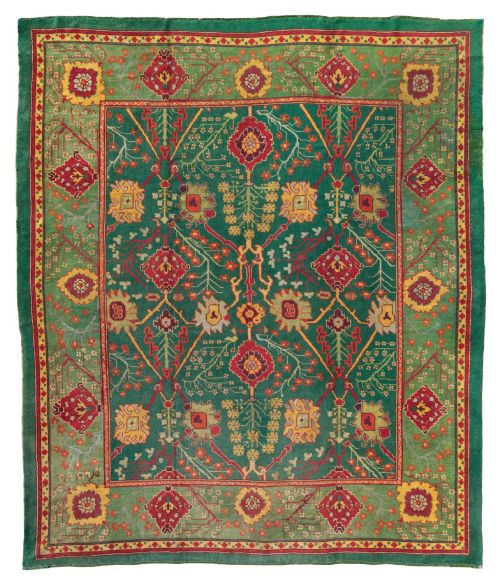
The selection includes specific regional types like Heriz, Bakhtiar, and Oushak alongside Chinese Art Deco and Caucasian kilims. These floor coverings utilise traditional botanical designs, vines, and lattice patterns developed over generations.
How they were made
Weavers constructed these carpets using wool, cotton foundations, and occasionally silk highlights to define intricate botanical motifs. Natural dyes and hand-knotting techniques created durable textiles designed to withstand daily use while retaining deep colour.
Foundation materials typically combine sturdy cotton warps and wefts with dense wool pile, though certain regional variations employ all-wool construction. Artisans tied individual knots by hand, securing the pile to ground weaves that dictate the flexibility and drape of the rug.
Floral Area Rug Retail Price Guide 2026
Typical asking prices for floral area rug among the pieces listed under this phrase on Sellingantiques today, from the lower quarter to the upper quarter. They describe what is for sale here now, not the wider market.
Some weavers hid tiny intentional irregularities in their symmetrical floral designs to honour traditional beliefs about perfection.
What varies in quality
Knot density and the precision of the botanical drawing distinguish finer productions from simpler village work. A tighter knot count allows for sharper botanical details, clearer outlines, and smoother curves in floral medallions.
The choice of materials also alters the character of a piece, as silk highlights or exceptionally fine wool elevate the texture. Dye consistency across the field and the harmony of the palette reflect the skill of the original workshop.
The Floral Area Rug Glossary
- Knot count
- The number of knots per square unit, which dictates the clarity of the design and the durability of the pile.
- Warps
- The vertical threads stretched on the loom that form the structural foundation of the rug.
- Weft
- The horizontal threads passed between warps to bind the knots in place.
- Medallion
- A central ornamental design motif placed in the middle of the field.
- Kilim
- A flat-woven carpet or rug made without a pile, produced by tightly interweaving warp and weft strands.
Floral Area Rug: Frequently Asked Questions
How do I clean an antique rug?
Gentle surface brushing and professional specialist washing preserve the integrity of older fibres. Harsh chemicals and vigorous scrubbing damage natural dyes and weaken wool foundations.
Regular low-suction vacuuming removes embedded dust without catching the edges of the pile. Keeping the rug out of direct sunlight prevents the botanical colours from fading prematurely.
Are these rugs suitable for high traffic?
Sturdy wool construction and dense knotting allow many traditional carpets to handle everyday movement in hallways and living rooms. Thinner pieces or those containing delicate silk highlights work better in calmer spaces.
Placing a quality underlay beneath the carpet cushions the fibres against hard floors. This reduces friction and prevents slipping during daily use.
How can I tell regional styles apart?
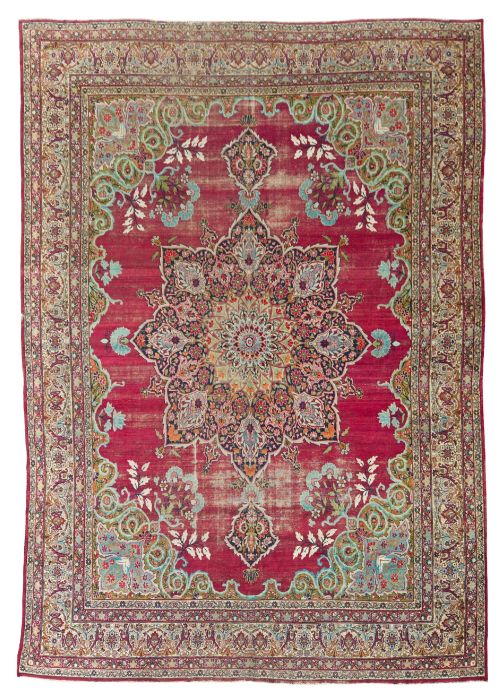
Regional differences appear in the geometry of the border, the stylisation of flowers, and the overall colour palette. For instance, Heriz carpets often feature bold geometric medallions, while Kirman designs display curvilinear floral sprays.
Examining the weave structure and the materials used in the foundation offers further clues to geographic origin. Local workshops maintained distinct traditions that endured across decades.
Can I use an underlay on wood floors?
A breathable rug underlay protects both the wooden flooring and the textile from friction wear. It stops the carpet from sliding and allows air circulation beneath the fibres.
Select a natural rubber or felt pad rather than synthetic materials that trap moisture. This simple addition extends the lifespan of older cotton foundations.