

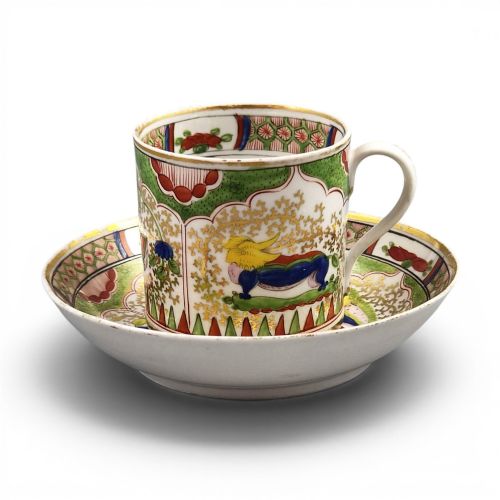


Flight Barr Barr Saucer
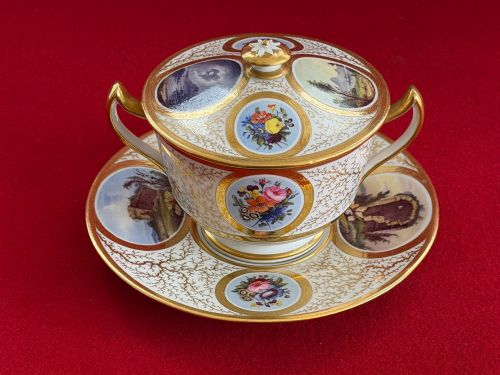
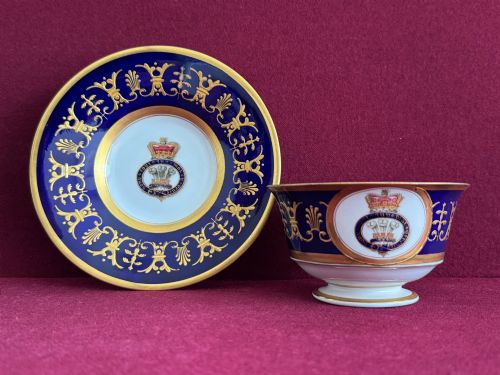
A flight barr barr saucer represents the height of early nineteenth century Worcester porcelain craftsmanship, combining rich gilding with delicate hand-painted motifs.
Flight Barr Barr Saucer
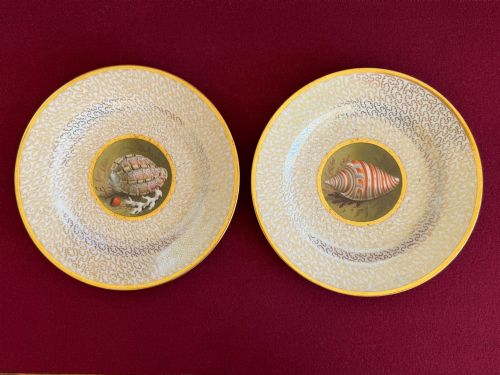
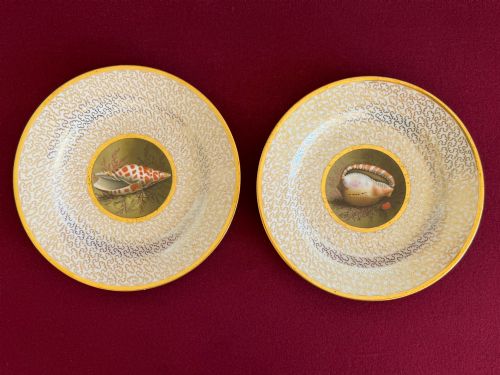
A flight barr barr saucer is a refined ceramic vessel produced by the renowned Worcester manufactory during the Georgian and Regency periods. These saucers frequently appear alongside matching teacups, coffee cans, and cabinet plates in the listings on this page.
Makers such as Flight, Barr and Barr created these items in distinct patterns including the dragon in compartments design and the two quail motif. Collectors encounter them primarily in porcelain finished with gold leaf, enamel, and intricate gilding.
The objects span late Georgian and Regency eras, reflecting the evolving neoclassical tastes of their original owners. Each piece demonstrates the distinctive output of the Worcester factory under its various partnerships.
How they were made
These pieces are fashioned from fine porcelain and shaped into saucers, cups, and plates. The manufacturing process relies on high-temperature firing to achieve a durable white ceramic body suitable for detailed decoration.
Craftsmen applied polychrome enamel colours and gold leaf by hand to create elaborate patterns like the dragon in compartments. Gilding and gold gilt finish the rims and central motifs, demonstrating sophisticated kiln work and brush technique.
Flight Barr Barr Saucer Retail Price Guide 2026
Typical asking prices for flight barr barr saucer among the pieces listed under this phrase on Sellingantiques today, from the lower quarter to the upper quarter. They describe what is for sale here now, not the wider market.
Quail motifs stare back from these saucers with an unwavering gaze, refusing to let tea time pass without a touch of feathered dignity.
What varies in quality
The standard of a flight barr barr saucer depends on the precision and complexity of its hand-painted decoration. Pieces associated with named decorators or specific royal services display a superior level of artistic execution.
The application of gold leaf and enamel work also distinguishes finer examples from simpler production wares. Crisp detail in patterns such as the two quail design marks out the more accomplished items.
Flight Barr and Barr·Barr Flight and Barr·Flight and Barr·Samuel Astles
The Flight Barr Barr Saucer Glossary
- Porcelain
- A hard, white ceramic material fired at high temperatures, forming the vitreous body of these saucers and cups.
- Gold Leaf
- Hammered sheets of gold applied to the porcelain surface for decorative gilding and highlights.
- Enamel
- Opaque vitreous coloured glass fused to the porcelain body through firing to create painted patterns.
- Coffee Can
- A straight-sided cylindrical porcelain cup designed for drinking coffee during the Georgian and Regency periods.
- Cabinet Plate
- A decorative plate intended for display in a cabinet rather than for everyday dining use.
Flight Barr Barr Saucer: Frequently Asked Questions
What is a flight barr barr saucer?
A flight barr barr saucer is a porcelain dish made by the Worcester factory during the Regency and Georgian periods. These pieces often feature hand-painted motifs and rich gilding.
They were produced to accompany matching teacups and coffee cans for fashionable tea and coffee service. Today, they survive as collectible examples of early nineteenth century ceramic art.
How were these saucers used?
These saucers were utilised in polite society for holding tea cups or coffee cups during formal gatherings. Wealthy households displayed them on tea tables and within dining parlours.
In modern collections, they serve primarily as cabinet display pieces rather than functional tableware. Their delicate porcelain and gold leaf decoration require careful handling and preservation.
What patterns are common on Worcester porcelain?
Common patterns include the intricate dragon in compartments design and the delicate two quail motif. These decorative schemes frequently incorporate extensive gold leaf and enamel colours.
Other items display fine botanical or geometric painting executed by skilled factory decorators. Each pattern reflects the shifting aesthetic preferences of the Georgian and Regency eras.