
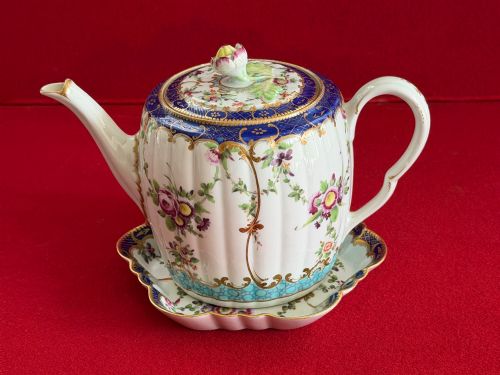


Worcester Porcelain Stand
A worcester porcelain stand brings eighteenth-century kiln mastery and Regency elegance directly to the table.
Worcester Porcelain Stand
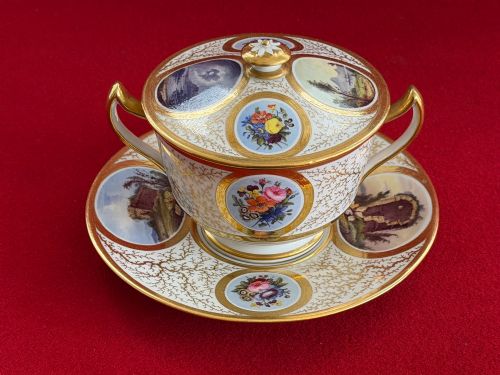
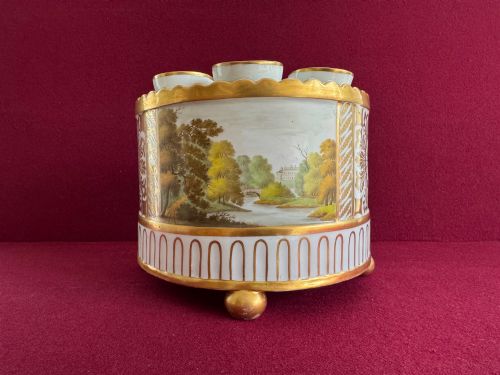
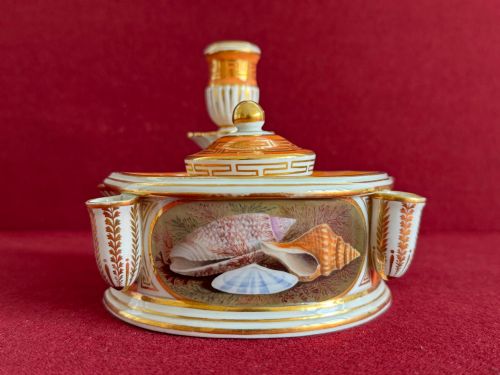
A worcester porcelain stand encompasses everything from delicate teapot bases and butter tub undertrays to grand centrepieces and chocolate cup saucers. These utility and display pieces emerge predominantly from the eighteenth century, particularly the First Period, alongside later Georgian, Regency, and twentieth-century incarnations.
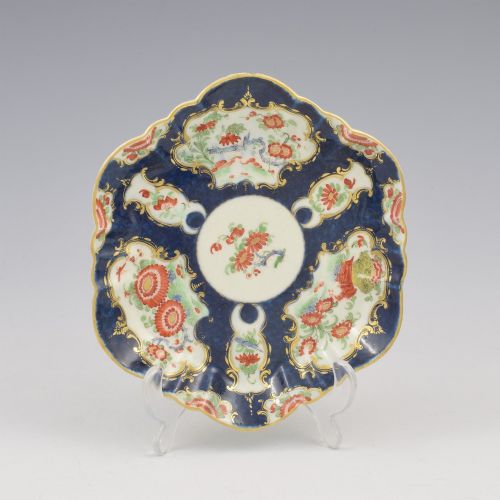
Collectors encounter specific forms including sweetmeat stands, egg stands, tureen stands, and even combination pieces featuring mahogany or silver-plated framing. The assortment spans simple blue and white patterns, scale grounds, and Japanned motifs across various shapes.
How they were made
Potters utilised soft-paste porcelain during the earlier phases, shaping body clay before applying cobalt underglaze blue, enamel highlights, and rich gilding. Later nineteenth-century pieces from successors like Grainger's or Barr, Flight and Barr maintained high standards of throwing and moulding.
Surface ornamentation often involved intricate hand-painted motifs such as the wheatsheaf pattern, dragon designs in compartments, or fan patterns, finished with gold leaf applied by skilled hands.
Listings feature porcelain, enamel, gold leaf, and soft-paste porcelain across periods from the eighteenth century to the mid-twentieth century.
What varies in quality
The crispness of the porcelain body and the precision of the hand-painted enamels dictate distinction across the range. Early First Period examples display a characteristic translucency and depth of glaze that differs from later nineteenth-century output.
The complexity of the pattern, such as blue scale grounds or intricate Japanese-inspired palettes, separates standard utilitarian wares from the finest display items produced by the factory.
Grainger's Worcester·Royal Worcester·Chamberlain Worcester·Barr Flight And Barr
The Worcester Porcelain Stand Glossary
- First Period Worcester
- The earliest phase of production at the Worcester factory, lasting from 1751 until 1783. Pieces from this era are highly sought after by collectors.
- Soft-Paste Porcelain
- An artificial porcelain composition fired at lower temperatures than hard paste, common in early English factories. It produces a warm texture and distinct translucency.
- Gilding
- The application of gold leaf or gold paint to ceramic surfaces for decoration. On better pieces, this work is hand-applied and burnished.
- Sweetmeat Stand
- A specialised dish or tiered vessel designed for serving small confectionery or preserved fruits. They frequently feature shell-moulded forms.
- Caudle Cup
- A two-handled vessel used for serving a warm, spiced gruel or wine drink. They often sit upon a matching fitted stand or saucer.
Worcester Porcelain Stand: Frequently Asked Questions
How do I identify First Period Worcester?
Look for characteristic paste variations, early underglaze blue crescent or square marks, and hand-painted details typical of the eighteenth-century factory output.
Examine the glaze pooling and colour saturation, as these indicate the specific period of manufacture before the factory transitions into later partnerships.
Were these stands used daily?
Many stands served functional roles on the dining or tea table, supporting teapots, butter tubs, or chocolate cups during formal meals.
Others acted purely as decorative centrepieces or sweetmeat holders reserved for special occasions and display in cabinet settings.
How should I clean my porcelain stand?
Dust gently with a soft, dry cloth or wash very carefully by hand in lukewarm water using mild soap if necessary.
Avoid soaking pieces with delicate overglaze enamel painting or gold leaf to protect the historic surface decoration from fading.
What is a chocolate cup stand?
A chocolate cup stand is a small fitted saucer or tray designed to hold a covered chocolate cup securely during service.
These matching elements often display identical patterns, such as Japan motifs or scale borders, created during the same firing sequence.