




Flemish Style Artwork
Flemish style artwork brings centuries of European master painting and tapestry into a room with rich oil and panel works.
Flemish Style Artwork
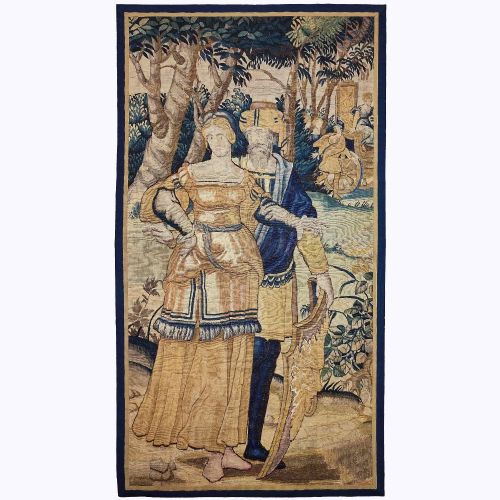
Flemish style artwork encompasses oil paintings on canvas and wood panels alongside tapestry panels. These pieces span centuries from the sixteenth period through to the nineteenth period, capturing historical painting traditions.
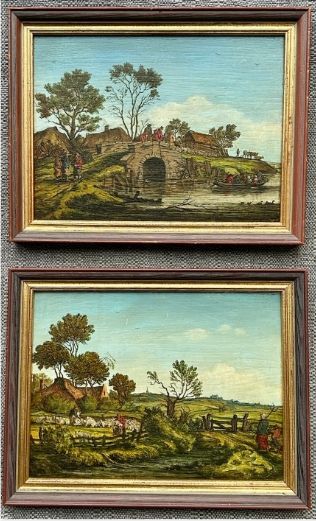
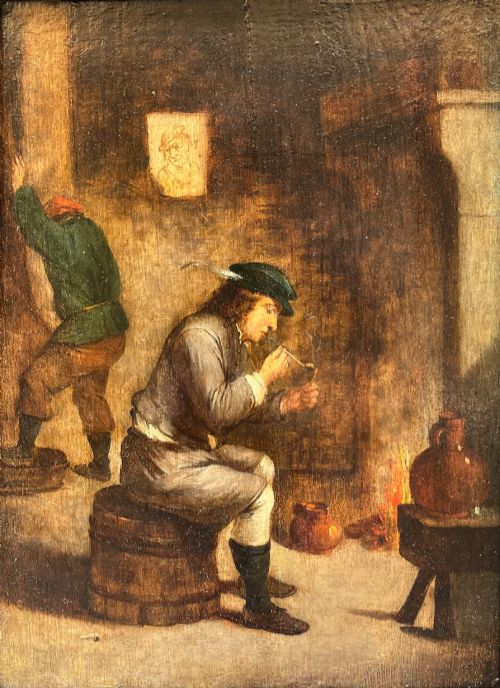
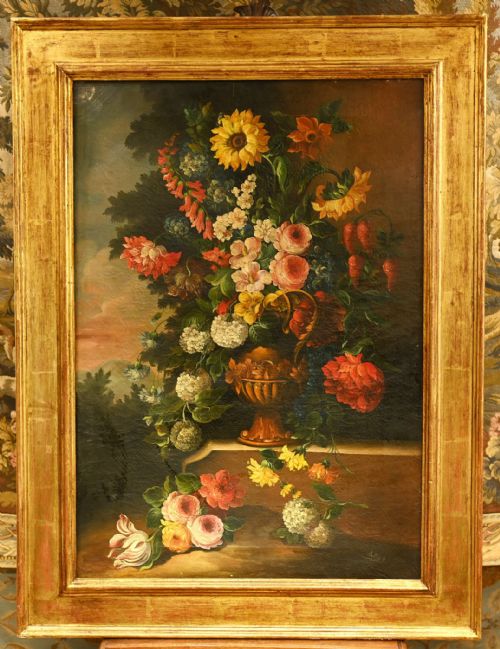
Buyers encounter tavern interiors, floral still life compositions, and landscape genre figurative portraits. Many works follow the manner of notable historical painters like David Teniers and Peter Paul Rubens.
The selection ranges from original seventeenth century pieces to later nineteenth century revivals and twentieth century interpretations. Each object reflects the enduring influence of the Flemish and Dutch schools.
What varies in quality
The sophistication of brushwork and pigment depth distinguish finer works from simpler decorative copies. Handling of light, shadow, and facial expression reveals the skill behind genre and portrait subjects.
Condition of the canvas or wood panel and the preservation of the original paint surface influence the overall character of a piece. Frame craftsmanship also plays a role, as period giltwood enhances the presentation.
Flemish Style Artwork Retail Price Guide 2026
Typical asking prices for flemish style artwork among the pieces listed under this phrase on Sellingantiques today, from the lower quarter to the upper quarter. They describe what is for sale here now, not the wider market.
Artworks demonstrate connections to the Dutch Golden Age, Flemish Baroque, and nineteenth century revival movements.
W Klombeck·David Teniers·Marmaduke Cradock·Jacob Bogdani·Joachim Bueckelaer·Peter Paul Rubens·Ludolf de Jongh·Louis Smets·Bartholomeus Van der Helst
The Flemish Style Artwork Glossary
- Genre painting
- A style depicting scenes from everyday life, such as tavern interiors and village fetes. These works focus on ordinary people engaged in daily activities.
- Oil on panel
- A painting executed on a prepared piece of wood rather than stretched canvas. This surface was standard for many early European workshops.
- Still life
- An artwork featuring inanimate subject matter, typically everyday objects or floral arrangements. Flower pieces and fruit compositions are common examples.
- Flemish Baroque
- An artistic style associated with seventeenth century Flanders characterised by dynamism and rich colour. Artists like Rubens defined this theatrical aesthetic.
Flemish Style Artwork: Frequently Asked Questions
What subjects appear in these paintings?
Works showcase tavern interiors, landscape views with figures, and detailed floral still life arrangements. Portraiture and mythological scenes also feature prominently across the selection.
Artists drew inspiration from daily life and classical stories, translating these themes into oil paint on canvas or wood panels.
How do I identify a panel painting?
Panel works use solid wood supports rather than flexible fabric canvas. They often date from earlier periods or follow traditional workshop practices.
Inspect the edges and reverse of the piece to observe the wooden construction and any historical framing elements.
Where should I hang these artworks?
These traditional paintings suit reception rooms, studies, and hallways with controlled light levels. Pair them with period interior decor to complement their historic character.
Ensure the wall space protects the canvas or wood panel from direct sunlight and damp conditions.
What is a tapestry panel?
Tapestry panels are woven textile wall hangings designed to decorate large interior spaces. They feature figurative designs created through complex weaving techniques.
These textile works offer an alternative texture to framed oil paintings while maintaining historical stylistic themes.