



Flemish Baroque Oil Painting
A flemish baroque oil painting brings deep shadow, rich pigments, and grand historical scenes straight into a modern room.
Flemish Baroque Oil Painting
When you search for a flemish baroque oil painting, you encounter works spanning the seventeenth century through to later interpretations and copies.
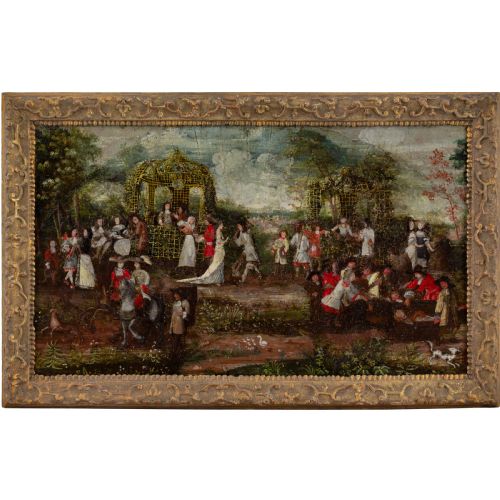
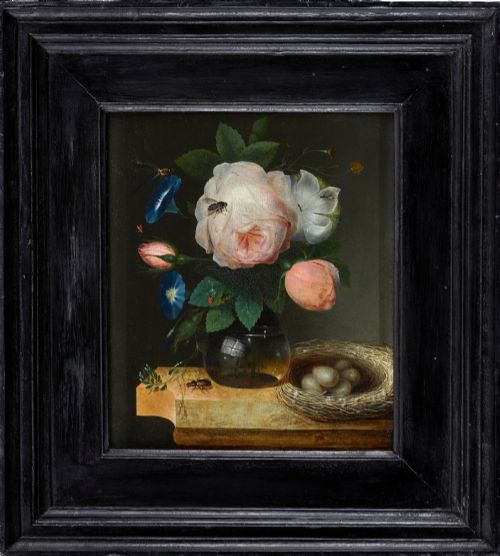
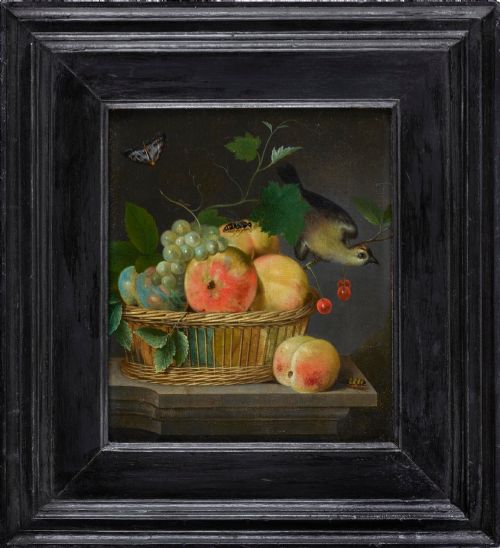
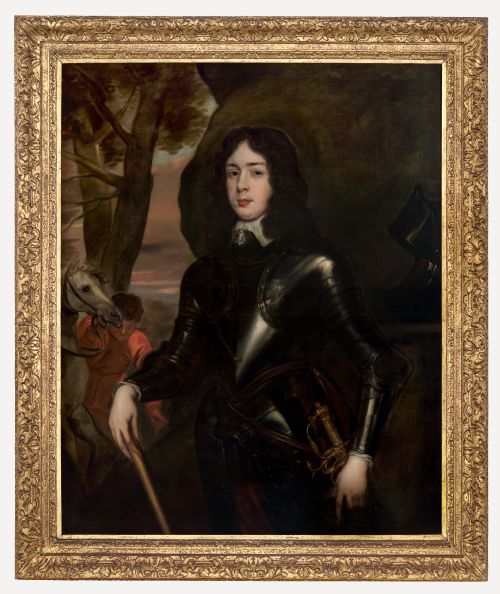
The selections on this page concentrate heavily on seventeenth-century portraits, still lifes, and landscapes executed by regional schools or named followers.
Subjects range from formal court portraits of gentlemen in armour to intricate baskets of fruit, village scenes, and mythological narratives.
How they were made
Makers applied oil paint onto stretched canvas or wooden panels, building rich layers of pigment to achieve deep tones and luminosity.
Giltwood frames frequently enclose these canvases, adding carved and gilded wooden surrounds that complement the dark palettes of the period.
Subjects recorded here cover portraits in armour, floral still lifes, and expansive rhineland landscapes.
What varies in quality
The handling of light and shadow distinguishes masterworks from routine studio output, separating dramatic depth from flat application.
Precision in figurative anatomy and the realistic rendering of textures, such as cloth, armour, or fruit, dictates the standing of each piece.
Sir Anthony van Dyck·Gaspar Peeter Verbruggen·Frans Snyders·David Teniers·Jan Cossiers·Peter Paul Rubens·Bartholomeus Van der Helst
The Flemish Baroque Oil Painting Glossary
- Baroque
- A European artistic style from the seventeenth century characterised by dramatic movement, deep contrast, and exuberant detail. It aimed to evoke emotional intensity.
- Giltwood
- Wood carved and covered with a thin layer of gold leaf. This material frequently frames historic paintings.
- Genre painting
- The pictorial representation of scenes from everyday life, involving ordinary people in rustic or domestic settings. These works often carry subtle moral meanings.
- Old master
- A skilled European painter who worked before about eighteen hundred. The term also applies to the paintings themselves.
Flemish Baroque Oil Painting: Frequently Asked Questions
How do I care for an old oil painting?
Keep the canvas away from direct sunlight and sudden temperature shifts to prevent the paint layers from cracking.
Dust the surface very gently with a soft, dry brush and avoid using water or cleaning solutions on the paint.
What is a flemish school painting?
This label describes works created by artists trained or working in Flanders during periods like the seventeenth century.
Such paintings often reflect regional traditions in still life, portraiture, and narrative landscape.
Why are some frames gilded wood?
Giltwood frames were chosen to enhance the drama of dark oil paintings by reflecting ambient room light.
The gold leaf finish added status and visual completion to significant artworks.
How can I tell a copy from an original?
Many historic works are period copies or later tributes produced after masters like Rubens or van Dyck.
Experts study the canvas preparation, pigment age, and brushwork freedom to determine execution dates.