


Black Framed Painting
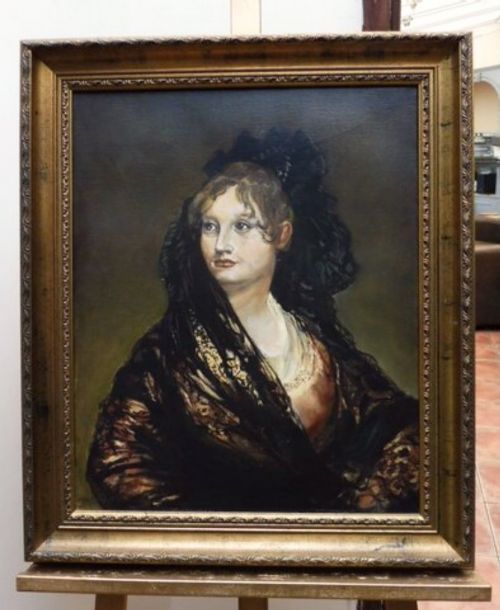
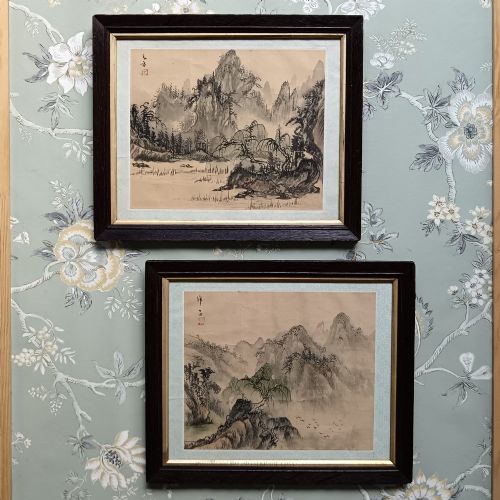
When you search for a black framed antique painting, you enter a world of oil on canvas, gouache, and portrait miniatures set within wood, glass, and gold leaf.
Black Framed Painting
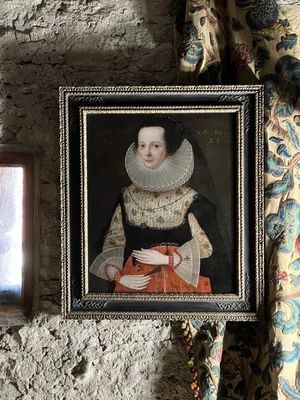
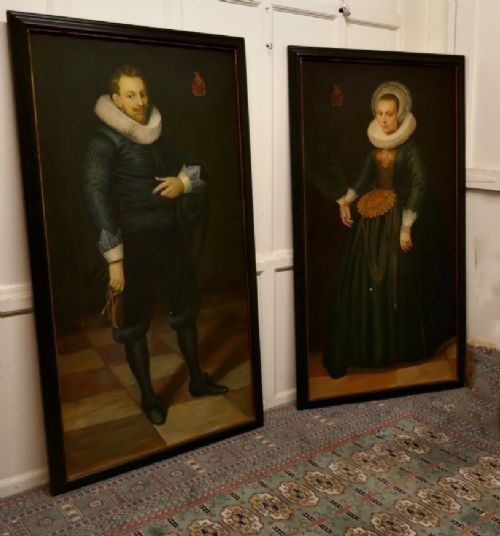
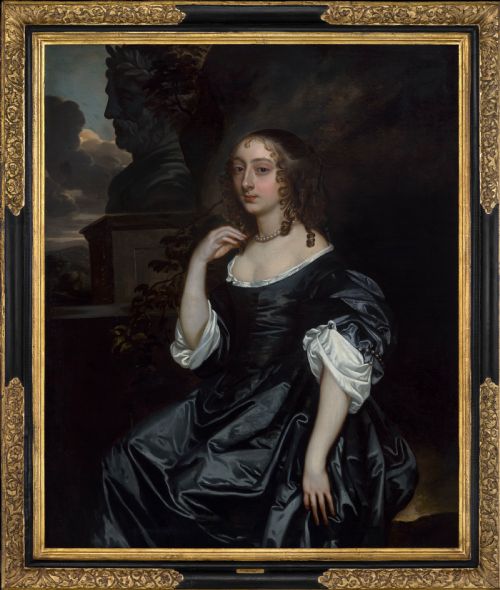
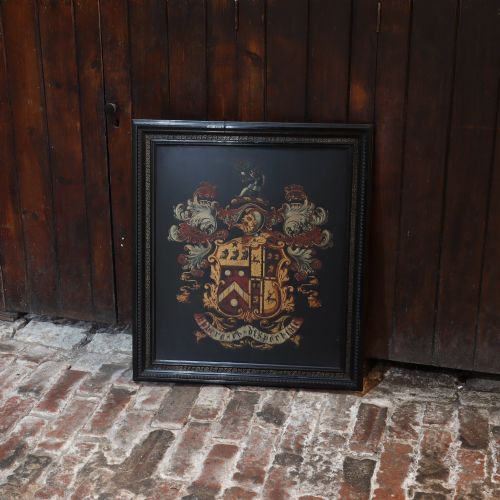
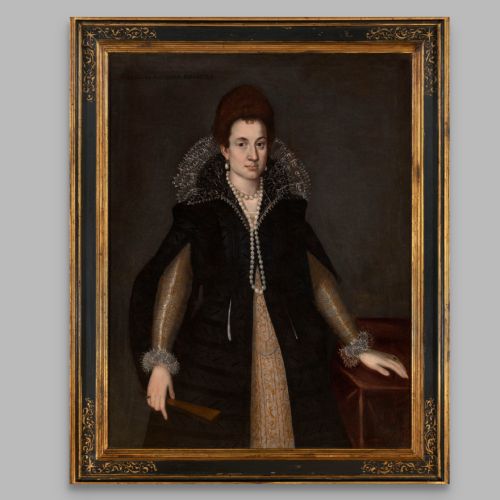
A black framed antique painting brings together centuries of portraiture, landscapes, and heraldic panels encased in dark borders of wood or ebonised surrounds. When you search for a black framed antique painting, you encounter works spanning the seventeenth, eighteenth, and nineteenth centuries, alongside Georgian, Victorian, and Regency periods.
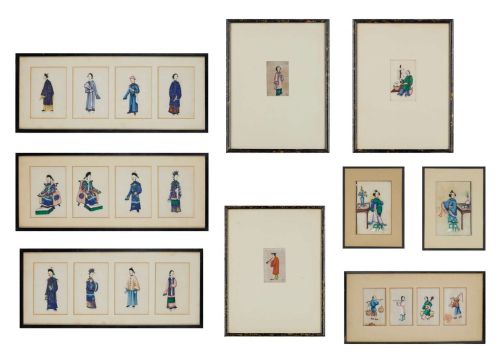
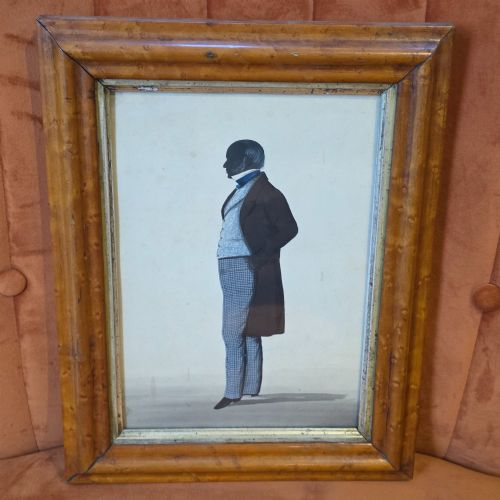
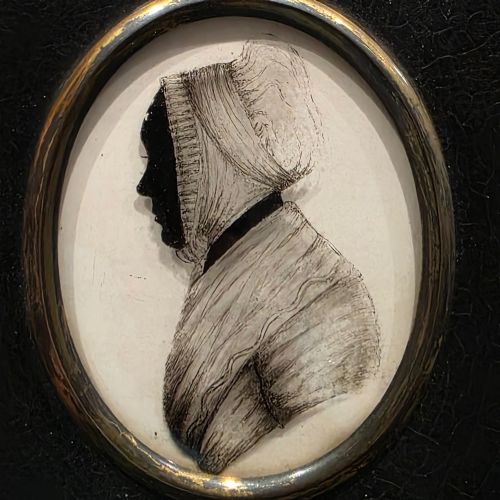
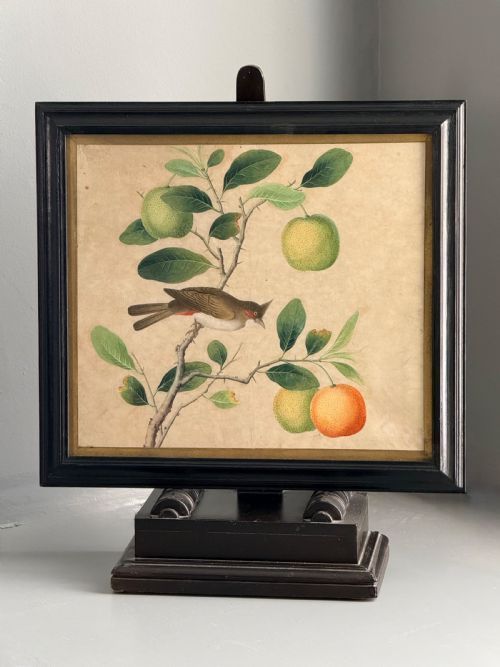
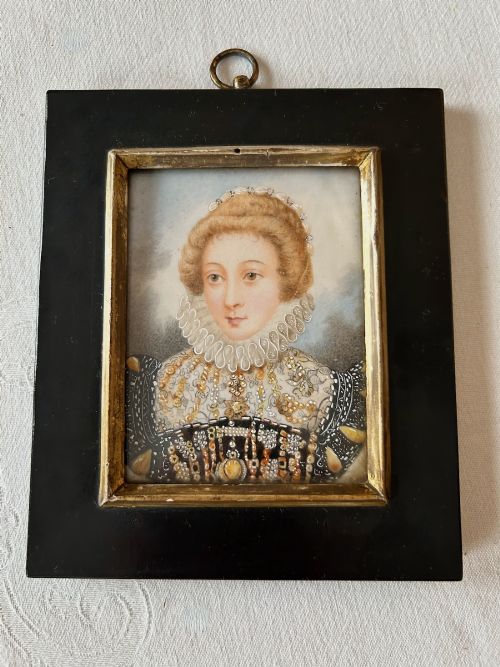
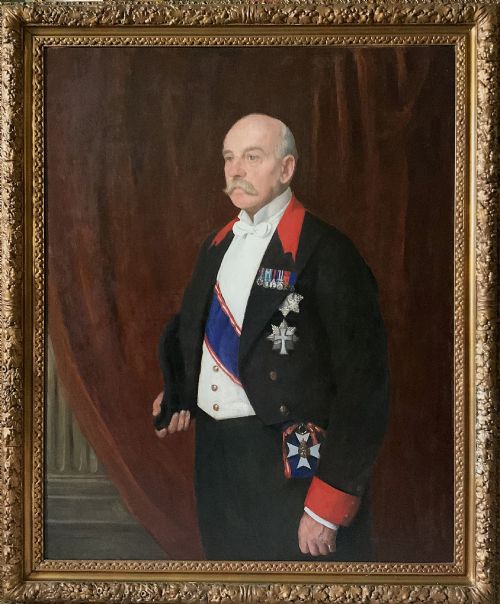
The offerings on this page encompass oil paintings on canvas and panel, delicate silhouette miniatures on paper, and reverse glass mezzotints. Subjects range from noblewomen in elaborate costume and military officers to still lifes of roses and detailed silk paintings.
Many of these artworks emerge from distinct European and British schools, capturing figures of notable lineage alongside anonymous sitters. The persistent dark framing anchors the composition, whether the interior medium is oil paint, pastel, or gouache on pith paper.
How they were made
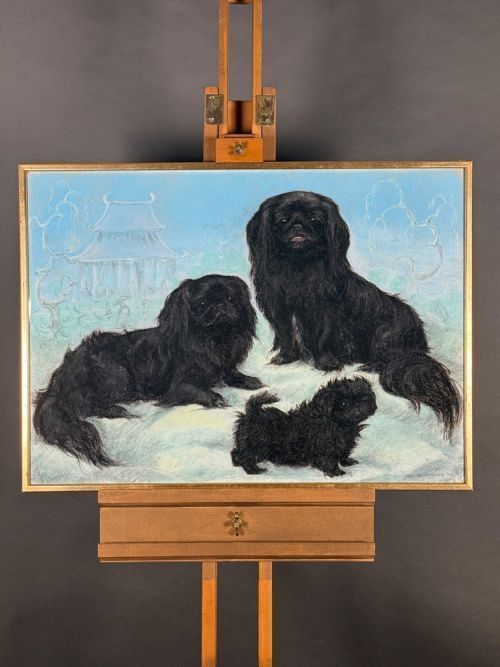
Makers applied oil paint, gouache, and pastel onto traditional supports such as woven canvas, wooden panels, paper, and pith. Selected pieces incorporate gold leaf highlights and glass glazing to protect delicate surfaces like miniature silhouettes and reverse glass mezzotints.
Wood provided the primary structure for the surrounds, frequently treated with ebonisation to achieve a dense black finish that contrasts with the imagery within. Artisans built these enclosures to measure, joining timber corners securely around the perimeter of the canvas or panel.
Materials recorded across the selection include gold leaf, ebonised wood, silk, glass, and canvas.
What varies in quality
Preservation of the original surface materials dictates distinction, with undisturbed paint layers and intact ebonised wooden frames holding greater integrity. The harmony between the artwork and its period mount reflects the initial care taken in assembling the piece.
Henri Fradelle·Henry Bone·Sir Peter Lely·Pietro Fachetti·Cornelius Johnson
The Black Framed Painting Glossary
- Ebonised wood
- Timber stained or painted to imitate dense, dark ebony. This treatment became common for framing portraits to provide a severe, elegant contrast to the painted surface.
- Reverse glass mezzotint
- An image transferred and painted on the underside of a glass sheet. This technique protects the pigments from dust and fading while lending a smooth sheen to the work.
- Portrait miniature
- A small, highly detailed painting on ivory, vellum, or paper. These portable objects were often housed in protective cases or specialised frames.
- Pith paper
- A delicate material prepared from the cellular pith of the Tetrapanax papyrifer plant. Artists in the nineteenth century painted intricate figural scenes upon it.
- Panel painting
- Art executed on a flat wooden support rather than flexible canvas. This method was widely utilised before canvas became the dominant medium.
Black Framed Painting: Frequently Asked Questions
What periods do these paintings come from?
The inventory spans several centuries, including seventeenth-century works from the Dutch Golden Age and Jacobean era. You will also encounter eighteenth-century Georgian pieces and nineteenth-century Victorian examples.
Later items stretch into the twentieth century, featuring nineteen-thirties and nineteen-sixties creations alongside earlier foundational styles.
How were these artworks originally displayed?
Paintings and miniatures were hung in panelled rooms, formal parlours, and private galleries to signal family lineage or status. Dark wooden frames directed the eye inward toward the subject without distracting ornamentation.
Smaller silhouette pieces and miniatures were frequently kept close in domestic spaces or worn as personal jewellery items.
How do I care for an antique framed painting?
Keep these works away from direct sunlight and damp environments to protect the fragile canvas, paper, and wooden structures. Gentle dusting with a soft, dry brush preserves the surface without introducing moisture.
Avoid chemical cleaners on the ebonised wood and glass components to maintain the original finish over time.
How do I distinguish between periods?
Stylistic clues such as costume details, ruff collars, and hair styling offer direct insight into the era in which a portrait was executed. Frame construction methods and material choices also shift from heavy seventeenth-century panels to later nineteenth-century canvases.
Signatures, inscriptions, and artist attributions recorded on the reverse or within the composition further clarify the timeline.