





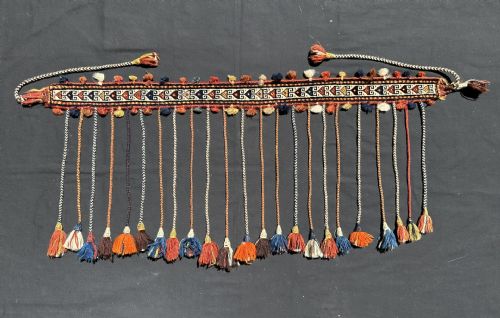
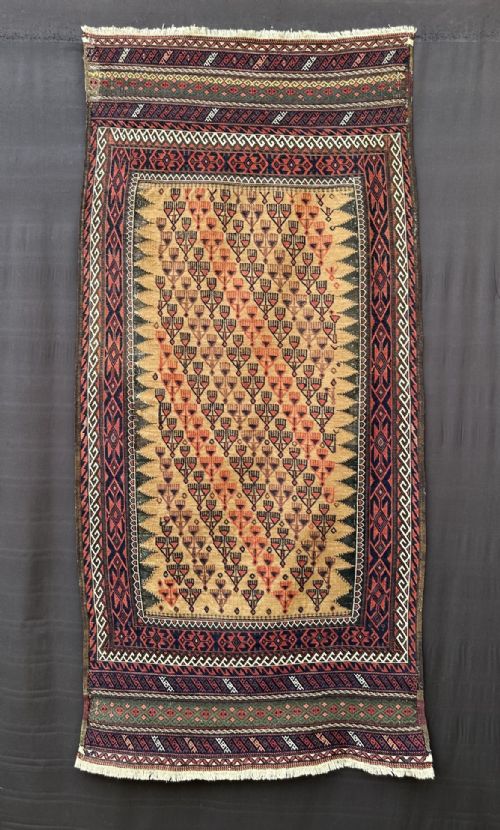


Flatweave Textile
When you search for flatweave textile, you enter a world of nomadic craftsmanship spanning Persia, Central Asia, and beyond.
Flatweave Textile
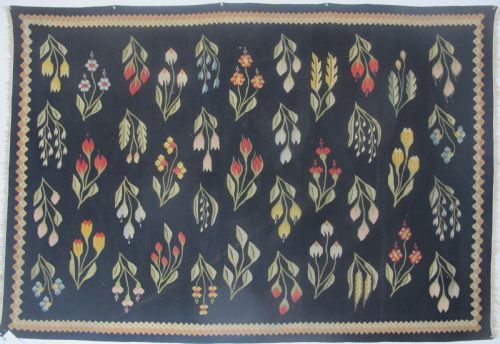
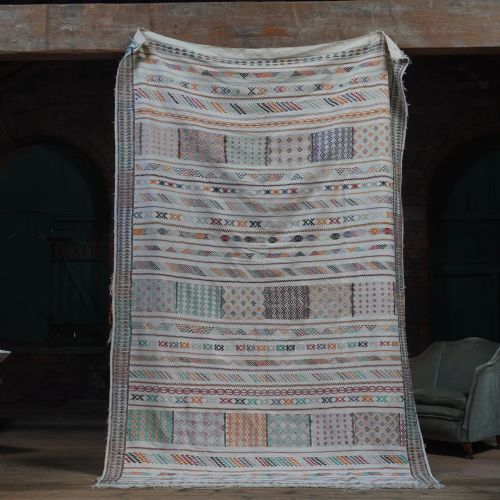
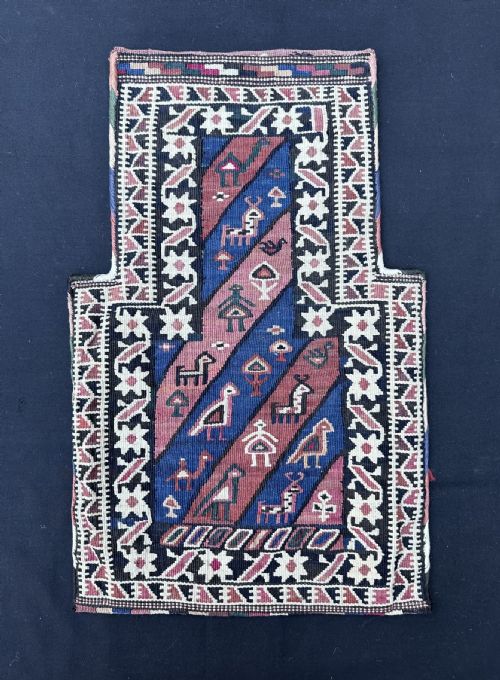
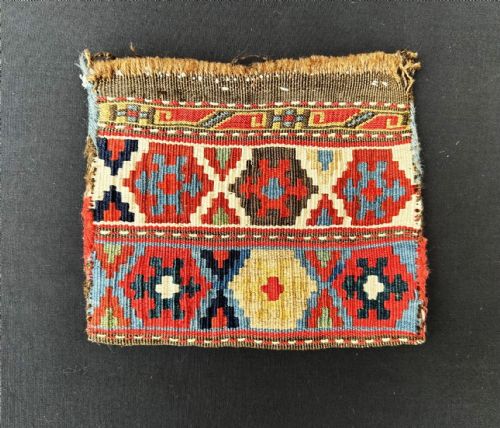
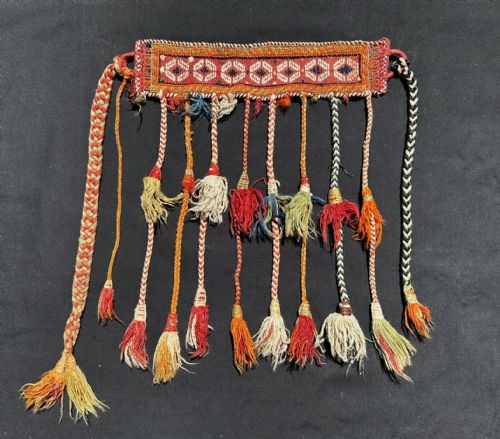
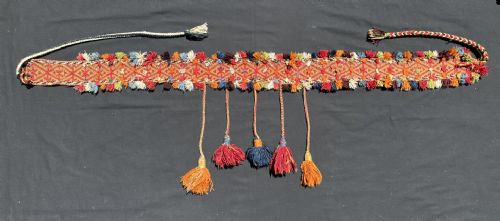
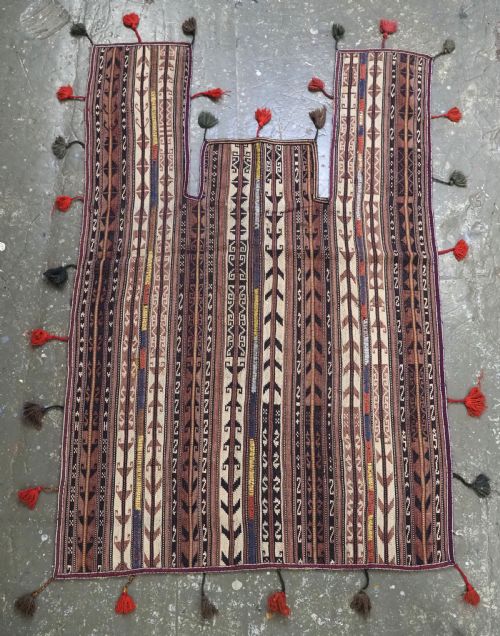
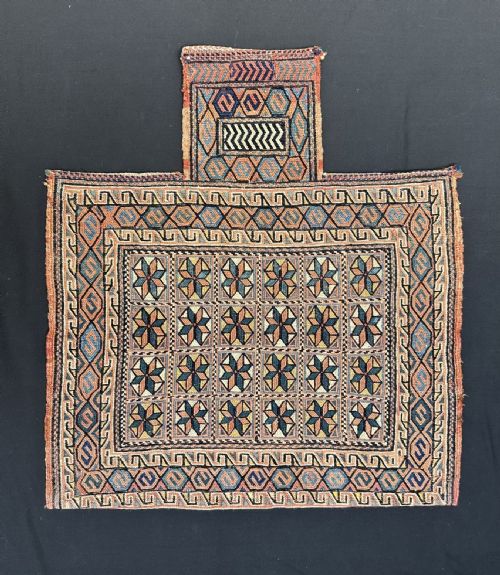
A flatweave textile represents a category of antique utilitarian items, ranging from nomadic bread sofrehs and salt-bags to animal trappings and floor coverings. These pieces originate predominantly from tribal groups across Persia, Anatolia, Central Asia, and the Caucasus.
Most examples encountered here belong to traditional tribal weaving cultures, including the Qashqa'i, Shahsavan, Bakhtiari, and various Turkmen tribes. The selection spans the nineteenth and early twentieth centuries, capturing a period of vibrant indigenous textile production.
Forms vary from small personal vanity-bags and saddle-bags to larger dining cloths and runner-style panels, each serving specific domestic or pastoral functions within tribal daily life.
Materials and construction
The construction relies heavily on hand-spun wool and cotton foundations, often utilising goat hair for added durability along edges and base structures. Certain regional pieces incorporate alternative local fibres, including cactus silk, sabra fibre, and occasionally decorative cowrie shells.
Natural dyes provide the palette for these textiles, yielding deep, complex tones that mellow gradually over decades of exposure and use. The weaving techniques encompass traditional slit-tapestry kilim methods, soumac wrapping, and banded flatweave designs executed on portable ground looms.
Flatweave Textile Retail Price Guide 2026
Typical asking prices for flatweave textile among the pieces listed under this phrase on Sellingantiques today, from the lower quarter to the upper quarter. They describe what is for sale here now, not the wider market.
The listings feature nineteenth-century and early twentieth-century nomadic works utilising hand-spun wool, cotton, goat hair, and natural dyes.
Assessing quality in flatweave textiles
Quality rests upon the tightness of the weave, the precision of the geometric or floral patterning, and the integrity of the original structure. Tighter knotting and finer wool preparation distinguish pieces intended for ceremonial use or prestige display from everyday utility items.
The sophistication of the natural dye palette and the preservation of original borders, finishes, and tassels determine the standing of an individual piece. Greater artistry in tribal layouts and consistency in the hand-spun yarn elevate specific examples within their regional group.
The Flatweave Textile Glossary
- Sofreh
- A traditional spread or cloth used primarily for dining, kneading dough, or serving bread within nomadic households.
- Chuval
- A large storage bag produced by Turkmen tribes, often featuring distinct gul motifs and flatweave backs.
- Soumac
- A supplementary weft-wrapping technique that creates a textured, braided surface resembling embroidery on the face of the textile.
- Tacheh
- A specific type of grain or storage bag created by Lori-Bakhtiari nomads in western Persia.
- Jajim
- A brightly coloured striped flatweave textile typically constructed in narrow strips and joined together for bedding or coverlets.
Flatweave Textile: Frequently Asked Questions
What is a flatweave textile used for?
These textiles served practical nomadic functions, acting as grain sacks, animal decorations, dining cloths, and storage bags for daily camp life.
Today, collectors utilise smaller bags and panels as wall hangings or decorative accents, while larger kilims function as floor coverings.
How do I care for an antique flatweave?
Protect the textile from direct sunlight to prevent natural dye fading, and vacuum gently using a low-suction attachment without a rotating brush.
Professional textile conservation cleaning is recommended periodically to remove embedded dust from the wool fibres without damaging the structure.
How can I tell tribal styles apart?
Regional weaving groups employed distinct colour palettes, specific geometric motifs, and characteristic structural formats unique to their ancestry.
For instance, Shahsavan pieces often display intricate soumac work and sharp diagonals, while Turkmen items utilise deep madder reds and repeating octagonal gul patterns.
Are these pieces made with natural dyes?
Nineteenth and early twentieth-century tribal weavers relied exclusively on local plant, insect, and mineral sources to colour their hand-spun wool.
These natural dyes produce subtle tonal variations known asabrash, where the shade shifts organically across the surface of the textile.