
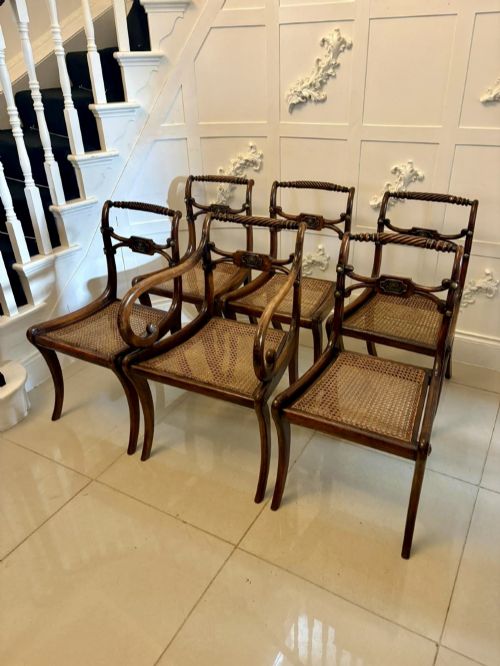


Five Legged Chair
A five legged chair offers an unusual structural footprint, bringing unexpected stability and distinct historical character to any room.
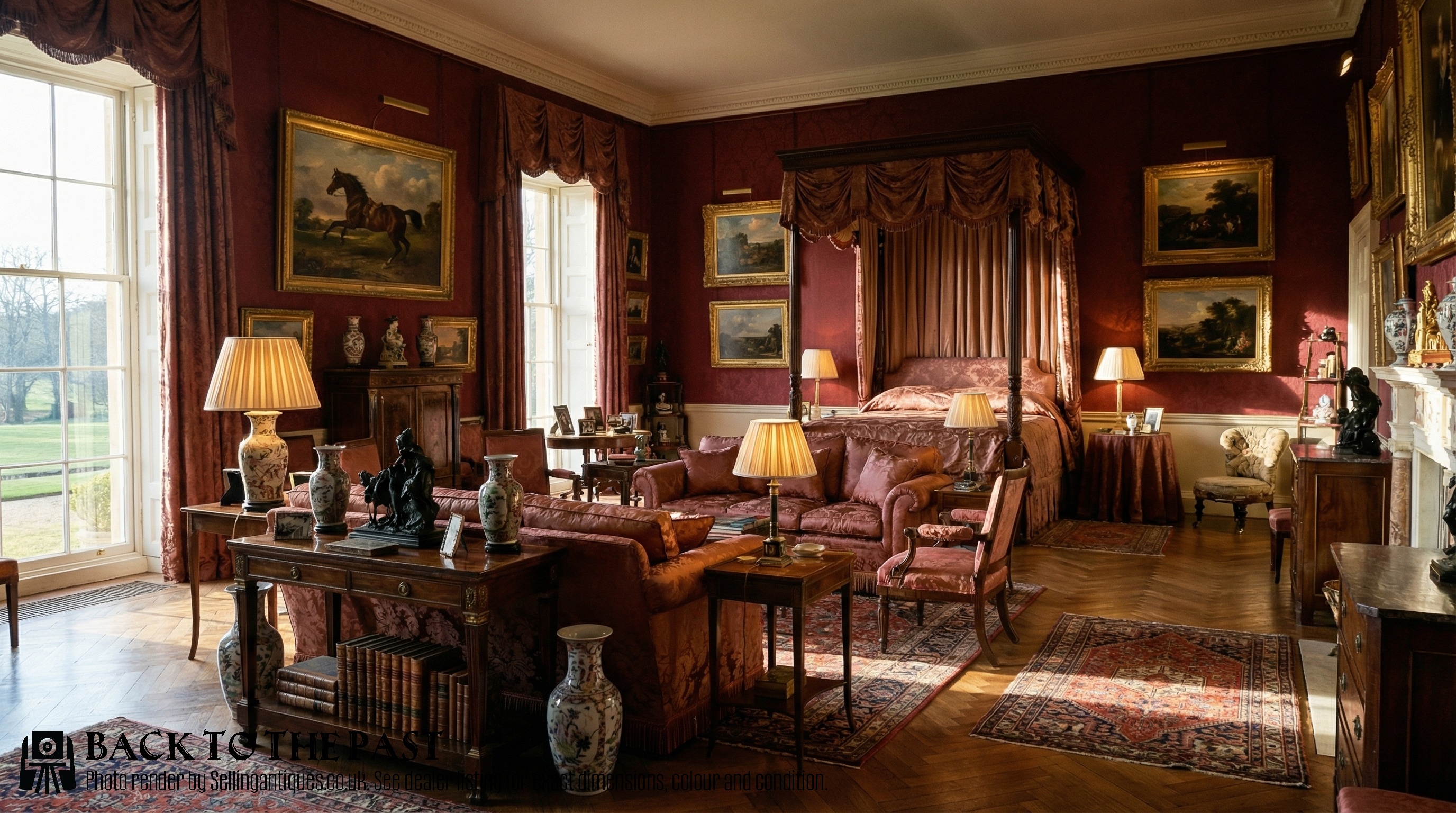
Five Legged Chair
A five legged chair typically surfaces within sets of five dining chairs or as individual bedroom, hall, and salon seating. Buyers searching for a five legged chair encounter diverse historical interpretations spanning the nineteenth century up to 1920.
The selection ranges from Regency and William IV mahogany dining chairs to Victorian walnut and oak examples. Revivalist tastes appear frequently through Louis XVI style, Queen Anne style, and Jacobean style interpretations.
Dining chairs dominate the available forms, often accompanied by bedroom chairs and hall chairs designed for specific domestic spaces. Some examples require careful restoration or re-upholstery before taking their place in the home.
Materials and construction methods
Cabinetmakers utilised robust hardwoods such as mahogany, oak, and walnut to form the structural frames. These timbers provided the necessary strength to support additional legs without compromising the overall design.
Seating surfaces incorporated woven cane panels or padded upholstery finished in velvet and decorative fabrics. Brass details occasionally reinforced structural joints or decorated the exterior framework.
Listings feature four distinct centuries and decades, ranging from 1850 Victorian pieces up to 1920 revivalist seating.
Judging quality and craftsmanship
The fineness of the timber grain and the precision of the joinery distinguish superior examples from standard workshop production. Carved details on revivalist frames demonstrate the skill invested by the original maker.
Condition plays a significant role, as pieces requiring complete restoration demand specialised intervention to preserve their structural integrity. Original cane work and untouched timber surfaces elevate the desirability of older seating.
The Five Legged Chair Glossary
- Carver
- An armchair with armrests, traditionally placed at the head of a dining table alongside matching single chairs. These larger seats often form part of larger dining sets.
- Cane
- Woven rattan material used to create light, flexible seats and backrests. This technique provides breathable comfort while maintaining structural support.
- Re-upholstery
- The process of replacing worn interior padding, webbing, and top fabric on a chair. This maintenance ensures the piece remains functional for daily use.
- Revival
- A design style that reinterprets historical aesthetics from earlier centuries, popularised during the Victorian era and into the early twentieth century. These pieces combine past motifs with contemporary construction methods.
Five Legged Chair: Frequently Asked Questions
How were five legged chairs used?
These chairs served primarily around dining tables or within formal reception spaces like drawing rooms and halls. Single chairs provided flexible seating while carvers occupied prominent positions.
Bedroom and salon chairs fulfilled more intimate domestic functions, offering portable seating for dressing rooms and private chambers.
How do I live with antique chairs?
Integrating antique seating into modern interiors requires balancing historical character with everyday comfort. Placing wooden chairs away from direct heat sources protects the timber from drying out and cracking.
Routine dusting and gentle care for fabric or cane surfaces keep the materials stable. Pieces needing re-upholstery allow owners to select contemporary textiles that complement existing decor.
How do I tell periods apart?
Stylistic details and timber choices offer clear indicators of a chair's period of origin. Regency and William IV pieces often feature rich mahogany with classical restraint, whereas Victorian examples introduce heavier proportions in walnut and oak.
Later 1920 pieces frequently draw on Queen Anne or Jacobean revivals, exhibiting distinct leg forms and carved motifs characteristic of those specific historic revivals.
What defines a set of five?
Sets of five dining chairs occur frequently in historical furniture production, often resulting from larger dining sets losing pieces over time. They suit smaller dining tables or breakfast nooks perfectly.
Buyers should examine each chair in the set to confirm matching timber tones and consistent stylistic details across all five pieces.