



Fitted Interior Secretary
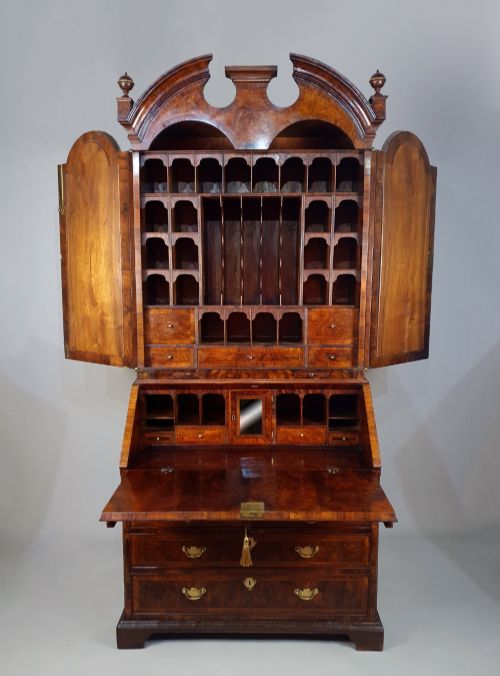
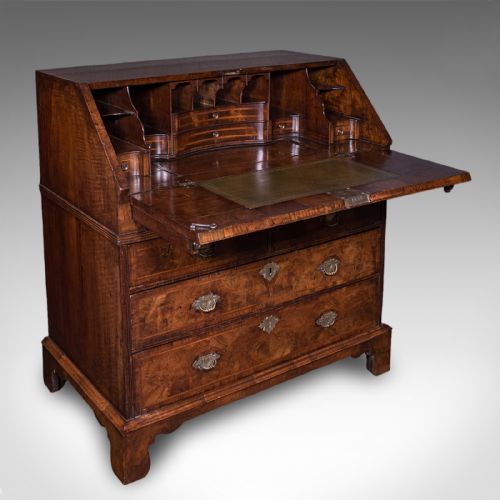
A fitted interior secretary brings together cabinetmaking and private writing space, offering concealed compartments behind a drop-front or fall-front panel.
Fitted Interior Secretary
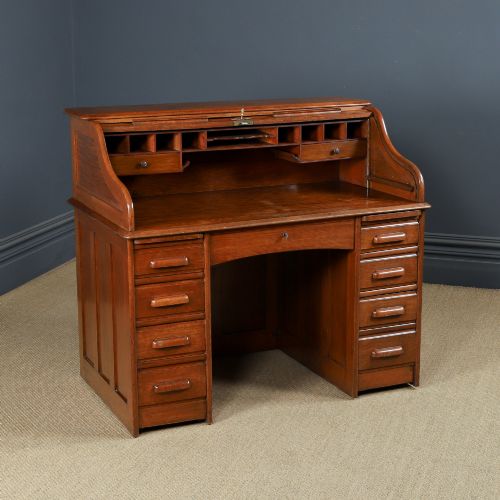
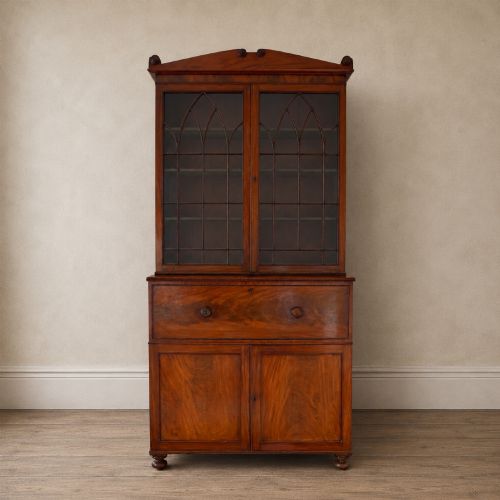
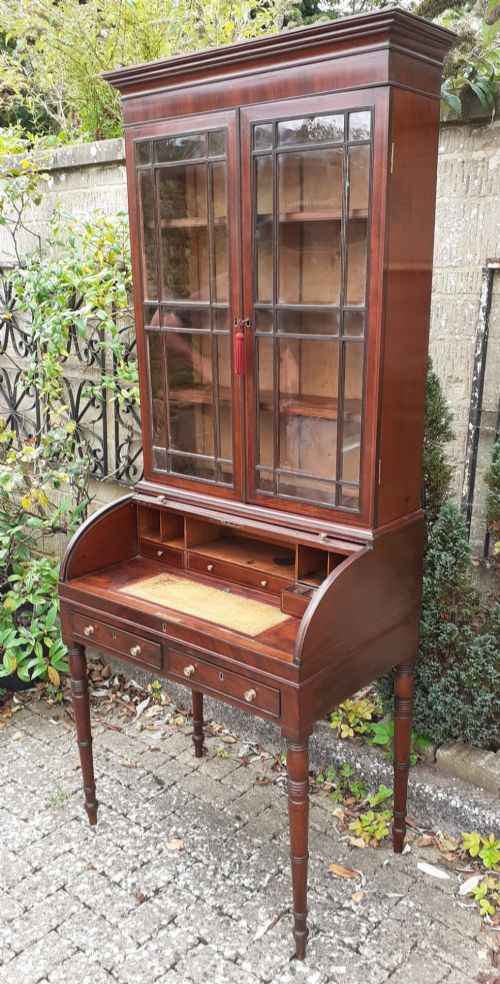
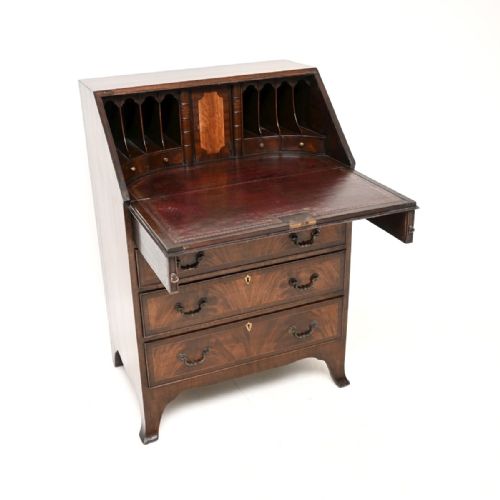
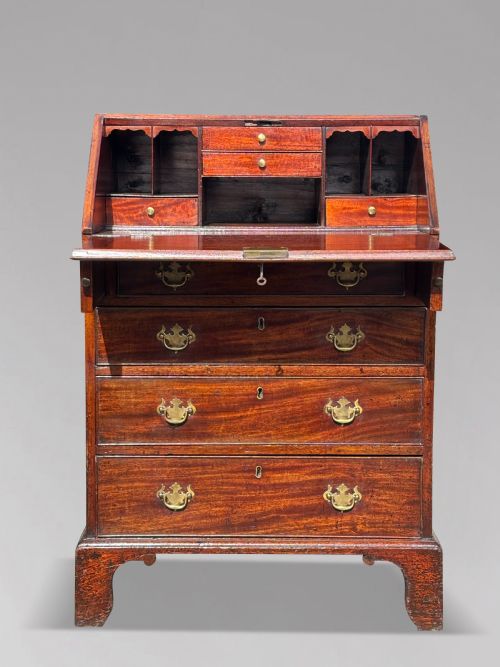
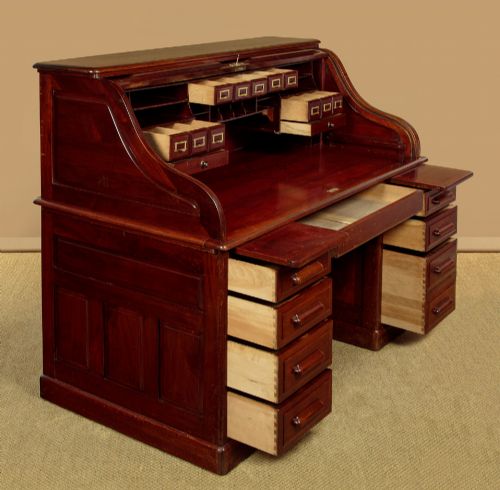
When you search for a fitted interior secretary, you encounter a variety of forms including bureau bookcases, fall-front bureaux, cylinder desks, and escritoires. The versions most likely to meet you on this page date from the 18th century and the Georgian period, alongside Regency, Victorian, and Edwardian examples.
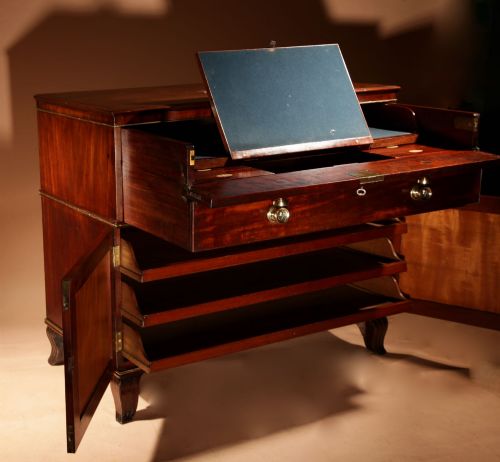
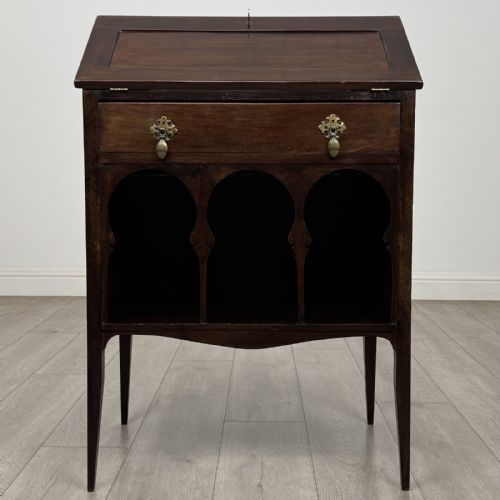
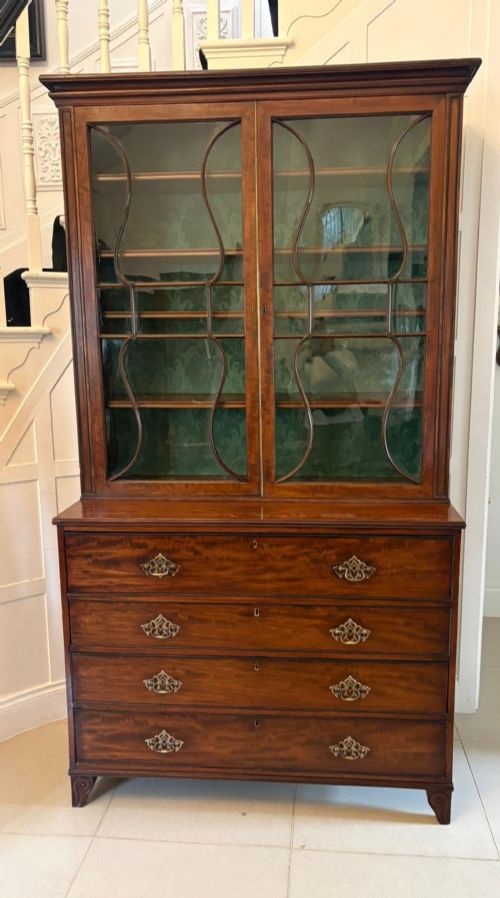
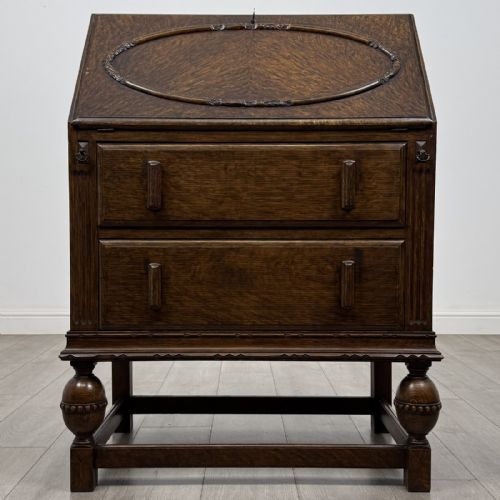
These pieces combine a writing surface with compartmentalised storage, often featuring small drawers, pigeonholes, and central doors hidden behind a sloping or vertical writing flap. Bureau bookcases pair this fitted desk section with upper shelving enclosed by glazed or wooden doors.
How they were made
Cabinetmakers constructed these pieces primarily in solid woods and veneers of mahogany, oak, and walnut, frequently incorporating burr walnut, satinwood, and mulberry for decorative grain patterns. Cross-banding and brass hardware such as drop handles and escutcheons completed the construction.
Writing surfaces often integrate inset leather writing panels, while upper bookcase sections utilise glass panes within wooden framing. Internal compartments rely on fine joinery to create miniature drawers and secret slides.
Fitted Interior Secretary Retail Price Guide 2026
Typical asking prices for fitted interior secretary among the pieces listed under this phrase on Sellingantiques today, from the lower quarter to the upper quarter. They describe what is for sale here now, not the wider market.
Listings span the 1700s, Georgian, Regency, Victorian, and Edwardian periods, utilising mahogany, oak, walnut, burr walnut, satinwood, and brass.
What varies in quality
The sophistication of the internal compartments dictates much of the distinction between pieces, with intricate layouts of secret drawers, sliding panels, and central arched compartments representing finer workmanship. The selection and matching of wood veneers, such as figured mahogany or burr walnut, also separate standard production from superior examples.
Structural integrity relies on the quality of the primary timber and secondary woods used for drawer linings and carcases. Original elements, including brass handles, glass panes, and fitted interior components, retain greater integrity than later replacements.
Tudor and Burrey
The Fitted Interior Secretary Glossary
- Fall-front
- A hinged writing flap that pulls down to form a horizontal surface for writing. It conceals the fitted interior when closed.
- Secretaire
- A desk or cabinet containing a fitted writing drawer or pull-down writing compartment. The term often describes pieces configured as chests of drawers with an upper writing drawer.
- Escritoire
- An early form of writing cabinet with a drop front concealing drawers and pigeonholes. This term frequently applies to late 17th-century and early 18th-century pieces.
- Cross-banding
- A decorative border technique where thin strips of veneer are laid perpendicular to the grain of the main panel. This adds visual framing to drawer fronts and writing flaps.
Fitted Interior Secretary: Frequently Asked Questions
What is a fitted interior secretary?
A fitted interior secretary is a desk or cabinet featuring a drop-front or pull-out writing surface that opens to reveal small drawers, pigeonholes, and compartments.
These pieces range from compact bureau desks to large bookcase combinations designed for correspondence and document storage.
How do I identify a Georgian bureau?
Georgian bureaux generally exhibit proportion, solid timber construction in mahogany or oak, and characteristic bracket or ogee feet. Their internal compartments typically feature simple prospect doors surrounded by small pigeonholes.
Examining the secondary woods inside the drawer linings and the cut of the dovetails helps confirm the period of manufacture.
Where should I place a bureau bookcase?
A bureau bookcase requires adequate wall space and clearance for the fall-front flap to open fully without obstruction from surrounding furniture. Positioning away from direct sunlight and heat sources protects the timber and veneer surfaces.
Because these pieces combine storage and workspace, they function effectively in studies, libraries, or living rooms.