


Firewood Log Holder
A firewood log holder brings hearthside utility together with metalwork and timber, keeping fuel organised beside the fire.
Firewood Log Holder
When searching for a firewood log holder, collectors encounter vessels designed to store fuel beside an open hearth, ranging from heavy metal bins to rustic wooden boxes. The pieces span periods from the early nineteenth century through to the interwar decades, reflecting diverse domestic interiors.
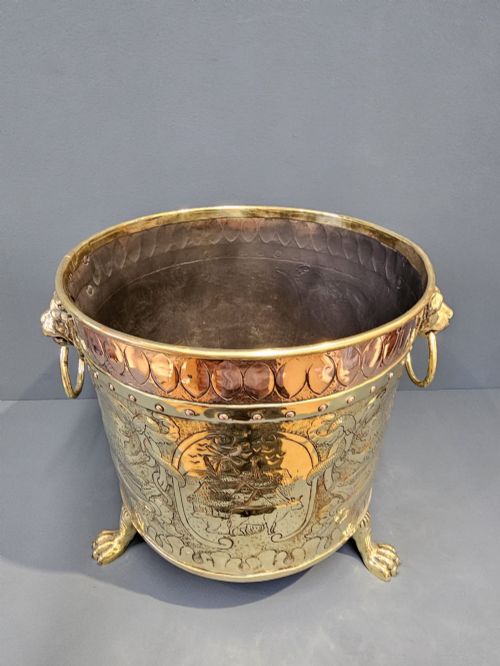
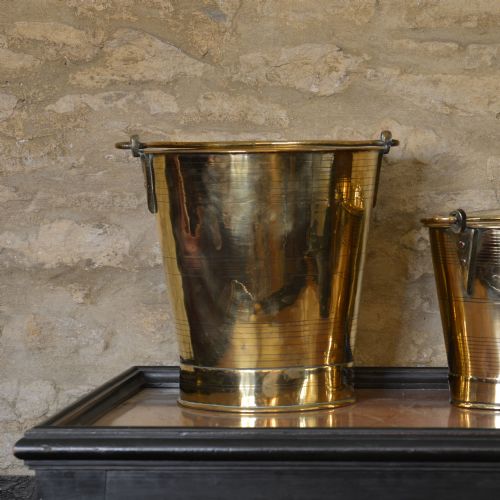
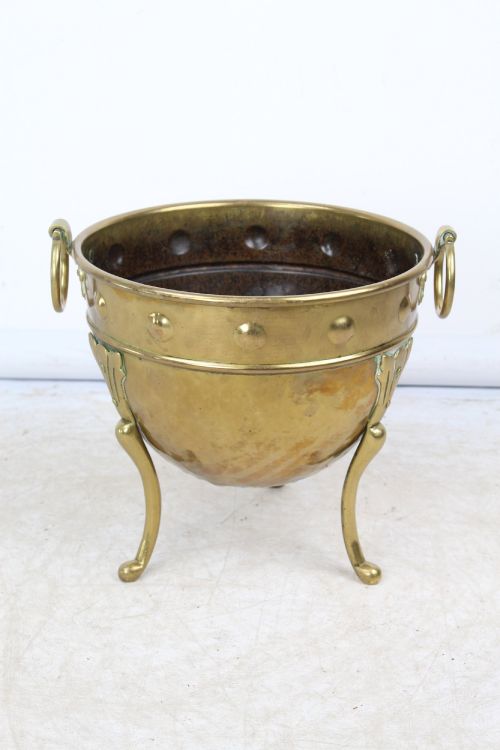
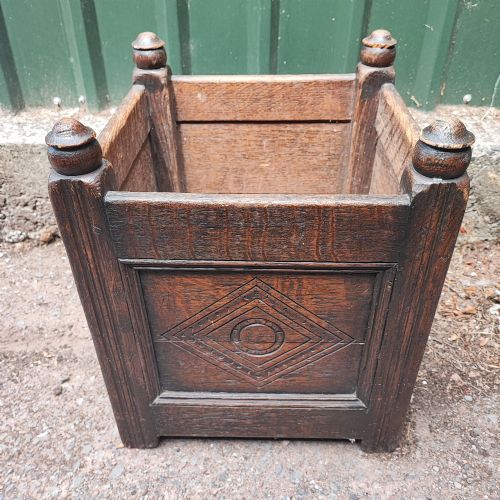
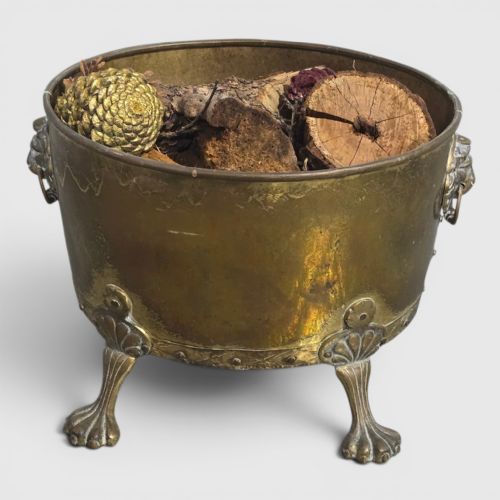
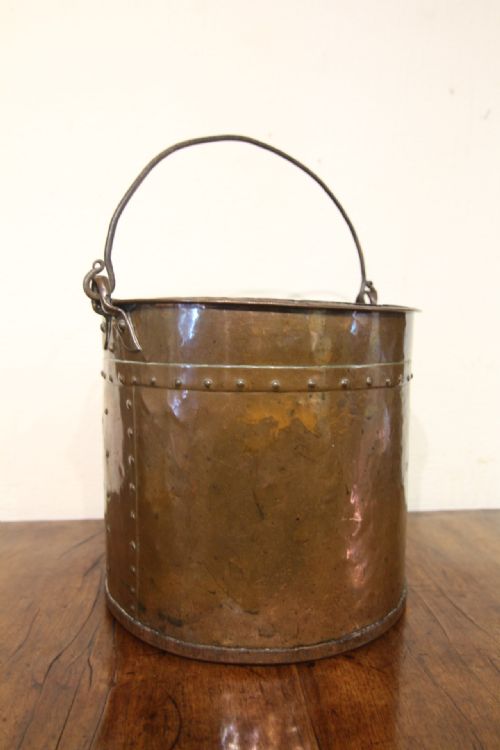
Metal vessels dominate the selection, frequently taking the form of riveted copper buckets, brass bins, and iron cauldrons. Wooden examples appear in oak, pine, and woven basketry, offering simpler country alternatives to polished metal receptacles.
Victorian and Arts & Crafts aesthetics emerge prominently across the listings, alongside French, Scandinavian, and Anglo-Indian regional variants. These domestic accessories often double as planters or coal receivers, demonstrating how utilitarian objects adapted to changing household uses.
Construction and Materials
Metal log holders rely on hand-beaten sheet copper and brass, frequently joined with visible rivets and secured by wrought iron handles or frames. Blacksmiths shaped heavy iron and steel into robust carriers and trolleys intended to withstand the weight of timber.
Wooden varieties utilise solid oak and pine timbers, sometimes joined with traditional box construction or formed through flexible basketry weaving techniques. Metal components such as brass bands and copper bodies are frequently combined with timber bases and handles.
Several heavy iron log carriers include wheeled trolley bases, proving that Victorians preferred to roll their firewood rather than lift it.
Assessing Quality
The standard of a metal log holder rests on the gauge of the sheet metal and the integrity of its riveted joints. Heavier copper and brass retain their structural form better under the daily strain of heavy logs.
Artisanal detail separates ordinary containers from superior examples, such as hand-embossed surface decoration or blacksmith-forged ironwork. The proportion and balance of swing handles and drop rings also indicate careful workshop production.
Henry Loveridge·Liberty London
The Firewood Log Holder Glossary
- Dinanderie
- Ornamental brass and copper ware produced in Europe, often associated with Arts & Crafts and early twentieth-century metalworking. This term describes vessels formed by hammering and shaping alloy sheets.
- Cauldron
- A large round metal vessel with a swing handle, traditionally used over an open fire. In a domestic setting, these heavy receptacles serve well for stacking firewood.
- Jardiniere
- An ornamental pot or receptacle intended to hold plants or flowers. Many brass and copper examples listed as log bins originally served this secondary horticultural purpose.
- Coal scuttle
- A bucket or box designed for holding household coal next to a fireplace. These portable metal containers often share forms with smaller log holders.
- Campaign bucket
- A sturdy metal container originally designed for travel and military use abroad. These pieces feature robust construction and drop handles for portability.
Firewood Log Holder: Frequently Asked Questions
How do I clean a copper log holder?
Copper surfaces respond well to gentle washing with warm soapy water to remove accumulated dust and soot. Avoid harsh abrasive cleaners that strip away the natural historic patina.
Dry the metal thoroughly with a soft cloth to prevent water spots and preserve the warm metallic lustre.
Were these always used for logs?
Many of these vessels held coal, peat, or kindling rather than heavy logs. Others doubled as indoor planters and jardiniere vessels for ferns and palms.
Their robust construction allowed owners to repurpose them as domestic requirements shifted over the decades.
Can I use an antique metal bin for wet wood?
Placing damp timber directly into antique copper or iron containers risks interior corrosion and staining. Lining the base with protective material helps safeguard the historic metalwork.
Seasoned dry firewood works best to protect both the fuel holder and the hearth surround.
How do I date a brass log bin?
Manufacturing techniques provide clear clues to age, with hand-riveted joints and wrought iron mounts pointing to the nineteenth century. Machine stamping and specific aesthetic motifs like Arts & Crafts styling help narrow down the period.
Maker marks and stamps stamped into the metal surface offer direct historical reference points.