



Fireside Wooden Settle
A fireside wooden settle brings substantial seating and draught-stopping backs to a room, drawn straight from centuries of farmhouse and tavern life.
Fireside Wooden Settle
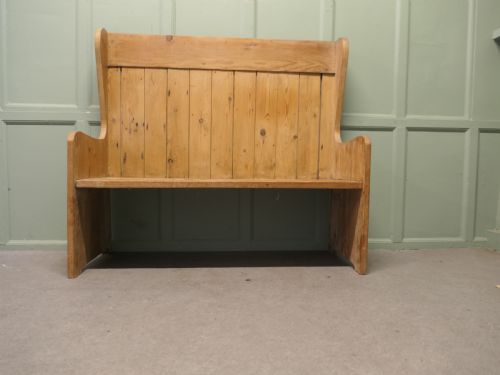
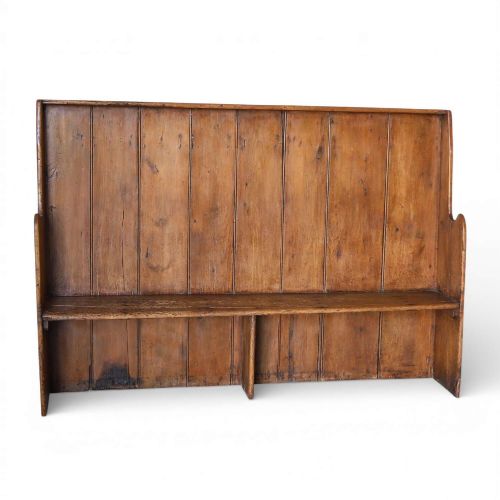
When you search for a fireside wooden settle, you find high-backed benches designed to keep out household draughts while gathering warmth from the hearth. These pieces belong to long traditions of domestic seating originating in vernacular farmhouse and country pub interiors.
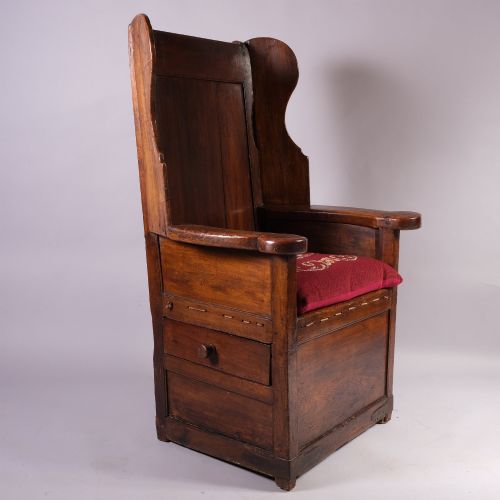
The versions you meet most frequently on this page range from robust oak and pine examples to fruitwood lambing chairs and barrel-backed forms. They span several periods, taking in 17th-century vernacular designs, Georgian country pieces, and later interpretations up to the early twentieth century.
Makers built these benches to serve hardworking rooms, often combining generous high backs with enclosed lower sections or integrated storage. Styles draw on rustic country and Arts and Crafts traditions, grounding any interior in practical historical utility.
How they were made
Joiners and country carpenters built these settles using solid native timbers such as oak, pine, and fruitwood. Boards were joined with pegged mortise and tenon construction to withstand the daily strain of farmhouse use.
Curved elements like barrel backs and wing shapes required specialist steaming and shaping of timber to wrap around the seated person. Surfaces often received simple coats of paint or developed rich patinas through generations of handling.
Fireside Wooden Settle Retail Price Guide 2026
Typical asking prices for fireside wooden settle among the pieces listed under this phrase on Sellingantiques today, from the lower quarter to the upper quarter. They describe what is for sale here now, not the wider market.
Several high-backed settles double as windbreaks, proving that ancestors took indoor weatherproofing very seriously indeed.
What varies in quality
Quality rests primarily in the integrity of the timber and the architectural ambition of the frame, from simple planked high backs to sophisticated barrel enclosures. Early examples demonstrate the clever geometry of vernacular joinery without relying on ornamental excess.
The depth of the patina and the honesty of the surfaces separate straightforward functional benches from pieces with exceptional presence. Original painted finishes or rich honey tones on fruitwood and pine elevate a settle from a basic seat to a striking focal point.
The Fireside Wooden Settle Glossary
- Settle
- A wooden bench with a high back and solid arms designed to deflect cold air away from the hearth. These seats often include storage compartments beneath the bench or enclosed lower panels.
- Lambing chair
- An enclosed wooden armchair featuring high wings and a hooded top designed to protect the occupant from severe draughts. These pieces frequently incorporate small side drawers or compartments.
- Barrel back
- A seating form featuring a curved, enclosing wooden back that wraps continuously around the user in a semi-circle. This construction maximises protection against chilly room currents.
- Vernacular
- Architecture and furniture built by local craftsmen using traditional regional methods and materials rather than academic high-style designs. These pieces prioritize practical utility and local character.
- Patina
- The surface sheen and coloration developed by wood through decades of handling, exposure, and waxing. This quality indicates the age and organic history of the material.
Fireside Wooden Settle: Frequently Asked Questions
What is a fireside wooden settle?
A fireside wooden settle is a high-backed wooden bench originally designed to block cold draughts in farmhouses and country pubs. Their solid panels and enclosed sides kept occupants warm near open hearths.
These pieces function today as substantial hallway or kitchen seating, bringing strong historical character and architectural presence to modern living spaces.
How were settles used historically?
Historically, settles served as the primary communal seating near the main household fire, where heat could be trapped within the high back and wings. Some designs included built-in drawers beneath the seat for storing household goods.
In country public houses, they created private partitioned seating areas for patrons seeking warmth and shelter from tavern draughts.
How do I live with a wooden settle?
Living with a wooden settle involves placing it against a solid wall where its high back can anchor the proportions of the room. They work effectively in large hallways, kitchens, or living spaces as primary seating.
Keep them away from direct heat sources like radiators to prevent the solid timber from drying out and splitting over time.
How do I tell different periods apart?
Earlier pieces from the seventeenth and eighteenth centuries typically show heavier timber framing, pegged joinery, and simpler vernacular proportions. Later nineteenth-century and early twentieth-century examples often adopt lighter pine construction or reflect Arts and Crafts stylistic revivals.
Examining the tool marks, timber species, and surface patination helps distinguish genuine early vernacular work from later country revival pieces.