


Fireside Club Seat
A fireside club seat provides deep, comfortable seating for a hearth, drawing together sturdy wood frameworks and upholstered leather forms.
Fireside Club Seat
When you search for a fireside club seat, you encounter robust armchairs and club fenders designed to sit comfortably near a fireplace. The examples on this page span the nineteenth century, the Victorian and Edwardian eras, through to the nineteen-thirties.
The most common forms you meet are deep-seated armchairs upholstered in leather or fabric, alongside brass and oak club fenders. These pieces originate from English country houses, French salons, and Scottish schools, reflecting various regional tastes.
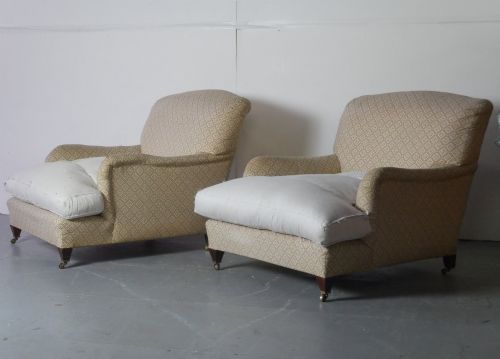
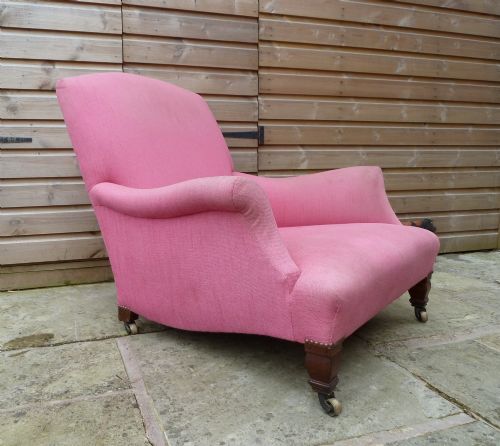
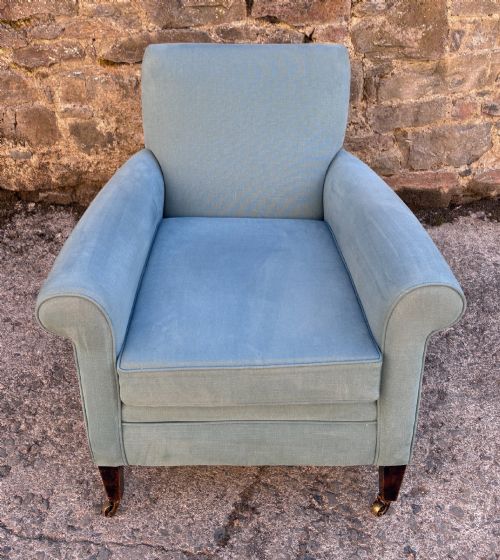
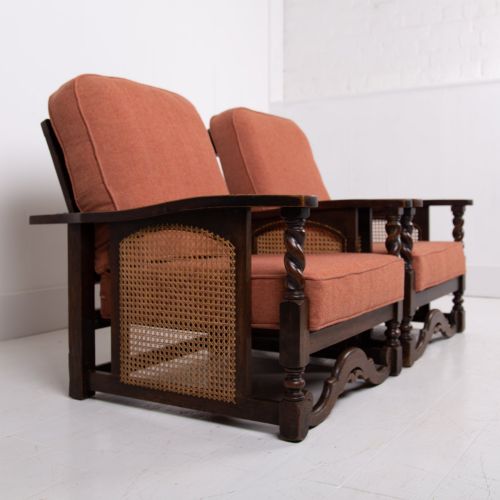
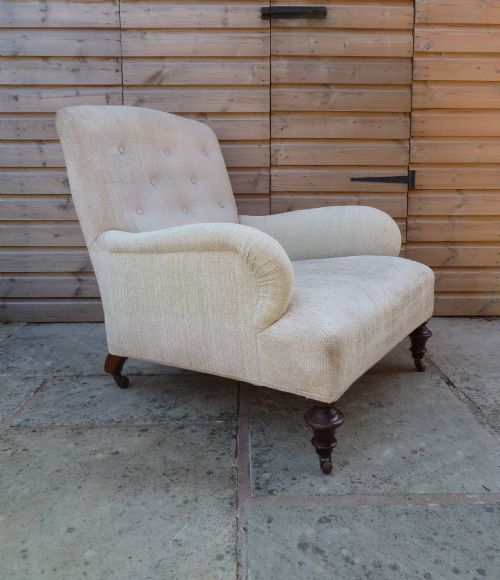
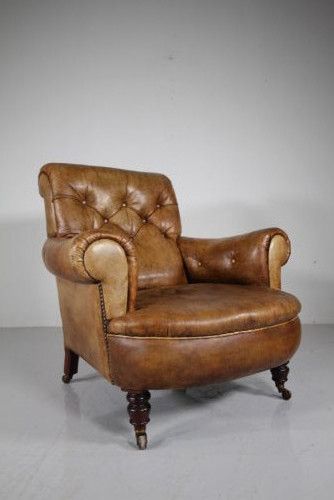
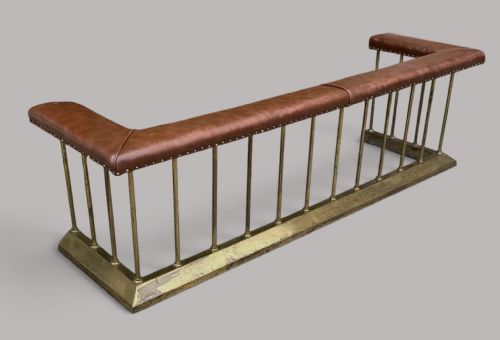
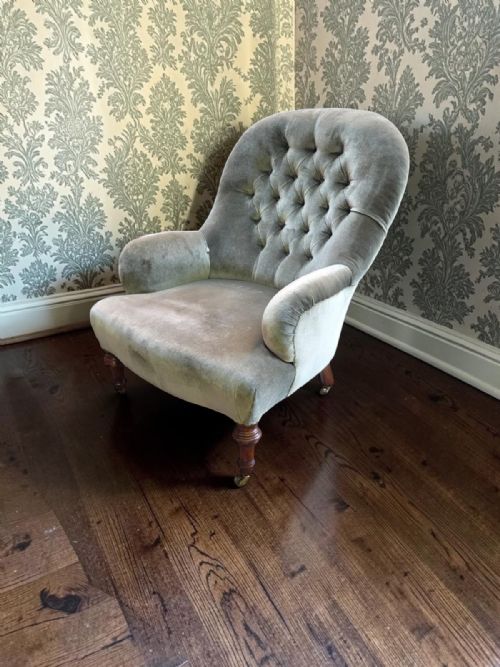
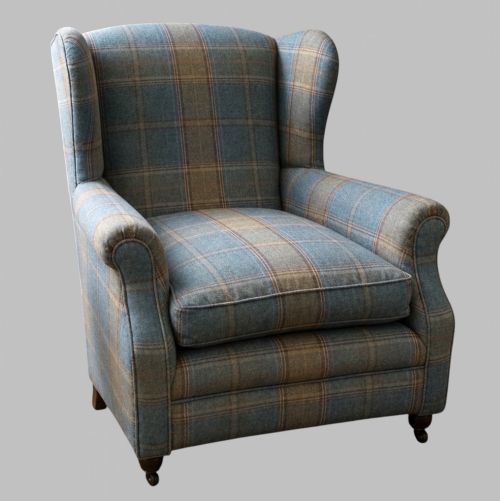
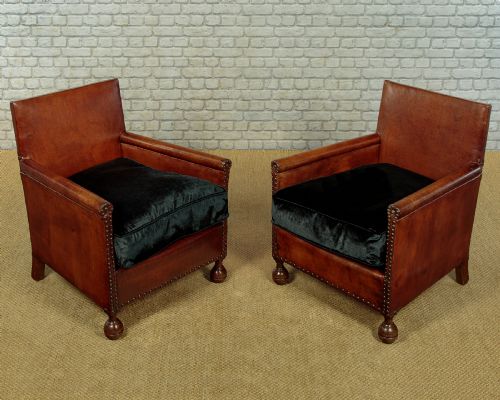
Armchairs range from large-proportioned library seats to button-backed chairs and low-slung club designs. Club fenders offer padded leather seating surfaces combined with structural brass or oak frames meant to encircle the hearth.
How they were made
Frameworks rely principally on timber such as mahogany, walnut, oak, and other substantial woods to provide a sturdy skeletal base. Metal components, particularly brass, appear frequently in club fenders and structural fittings.
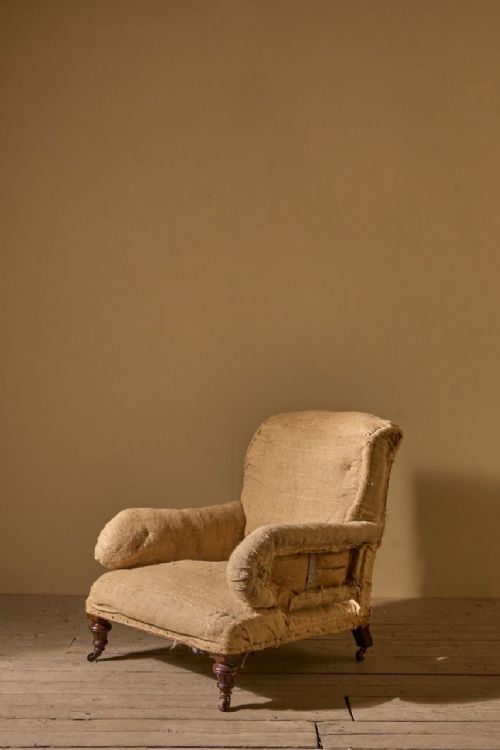
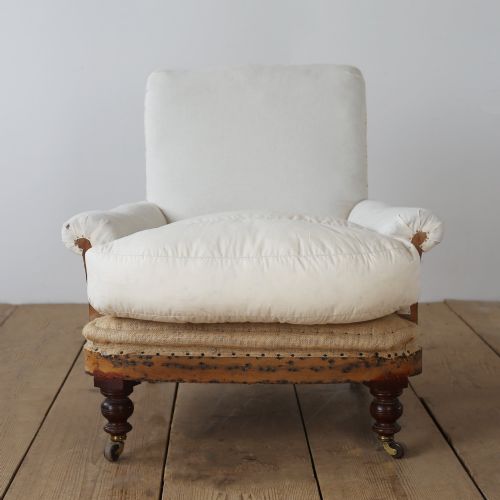
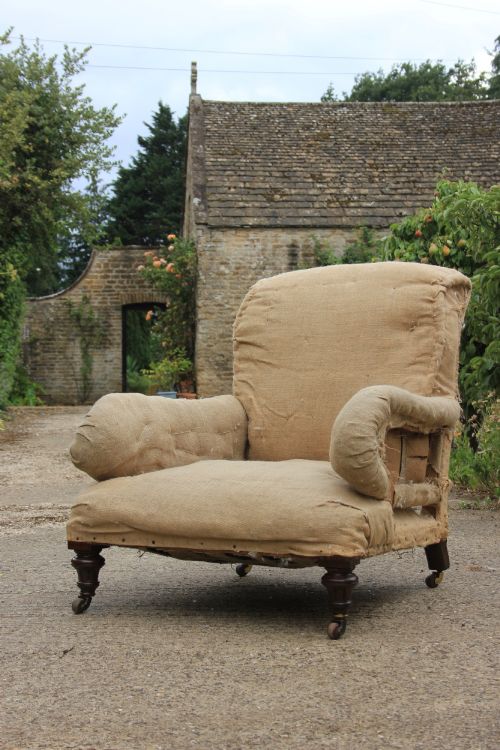
Upholstery relies on traditional stuffing materials covered in leather, calico, fabric, hessian, and velvet. Button-backed detailing and careful stitching secure these coverings to the heavy wooden or brass structures beneath.
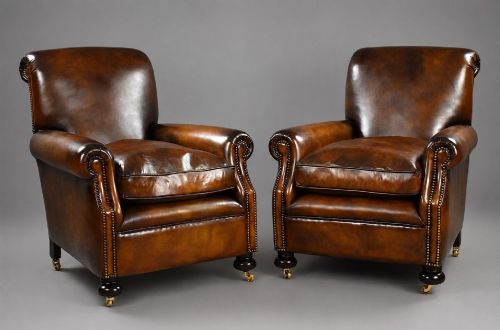
Some nineteenth-century examples come paired as his and hers matching library chairs, ready for simultaneous fireside contemplation.
What varies in quality
The distinction between tiers rests upon the choice of timber and the precision of the joinery in the underlying frame. Heavy mahogany and walnut structures demonstrate greater stability than lighter alternatives.
Quality also shows in the selection and preparation of the leather and fabric coverings. Mature tan leather and rich velvet upholstery reflect higher initial craftsmanship and enduring material resilience.
Howard and Sons·SF Cullen·Hampton and Sons·Gillows
The Fireside Club Seat Glossary
- Club fender
- A low metal or wooden frame with upholstered seats designed to fit around a fireplace opening. It provides extra seating directly beside the hearth.
- Wingback armchair
- A high-backed chair with side panels designed to shield the sitter from draughts. These pieces often feature deep upholstery suitable for fireside placement.
- Button back
- An upholstery technique where depressions are formed in the padding by pulling thread through to the frame in a grid pattern. This secures the filling and creates a tufted surface.
- Library armchair
- A sturdy, comfortable seat traditionally utilised in studies or reading rooms. They typically incorporate substantial wooden arms and leather upholstery.
- Ingle
- An archaic term for a fireplace or fireside area. It often describes seating built specifically to fit directly into the hearth recess.
Fireside Club Seat: Frequently Asked Questions
What is a fireside club seat used for?
These pieces provide comfortable seating positioned close to a fireplace. Armchairs offer deep, supportive spots for reading or resting near the hearth, while club fenders allow people to sit directly on the hearth surround.
Historically, they formed the centrepiece of living rooms, libraries, and country house drawing rooms. Their sturdy construction and upholstery helped protect sitters from hearth draughts.
How do I identify a Victorian fireside chair?
Victorian examples often feature heavy mahogany or walnut timber frames combined with deep button-backed leather upholstery. Stylistic clues include carved wooden details, turned legs, and generous proportions designed for comfort.
Many pieces from this era reflect revivals of earlier styles, such as Jacobean or French Napoleon III influences. Examining the timber grain and the method of upholstery stitching helps confirm the period.
Are club fenders considered seating?
Club fenders combine a protective brass or oak hearth barrier with built-in padded leather seats. They function as both a physical guard against stray embers and a practical bench for sitting close to the fire.
This dual purpose made them popular in nineteenth-century English country houses. They allow warmth to circulate while offering a convenient place to sit.
What materials are typical for these seats?
Frames are constructed from sturdy woods including mahogany, walnut, and oak, alongside structural brass in fender designs. Upholstery materials range from mature leather and velvet to calico, hessian, and plaid fabric.
Internal padding often utilises traditional stuffings secured beneath durable outer covers. These materials ensure both the structural rigidity of the frame and the softness of the seat.