

Fireplace Surround Guard
A fireplace surround guard shapes the hearth, keeping rooms safe while anchoring the entire fireplace with brass, steel, and iron.
Fireplace Surround Guard
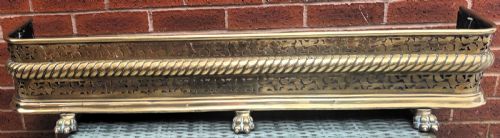
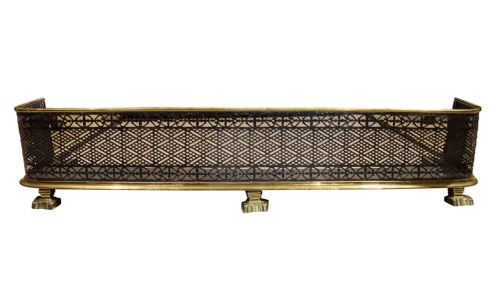
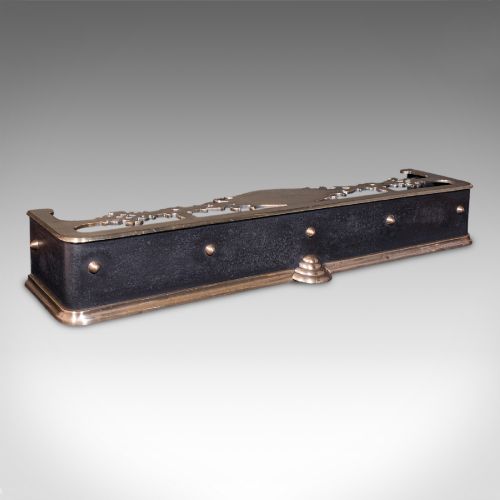
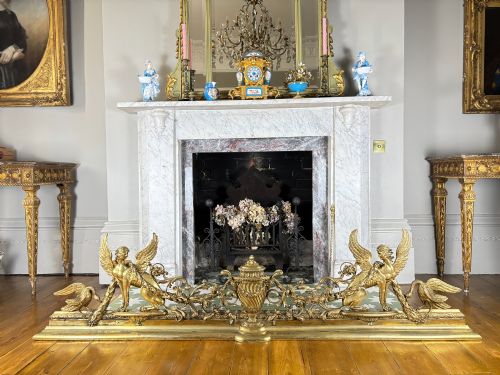
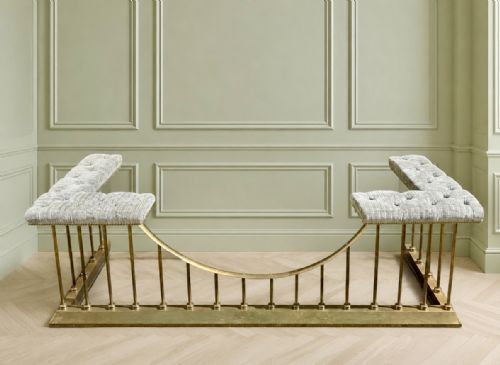
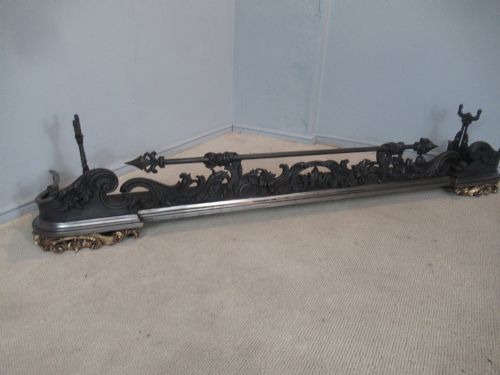
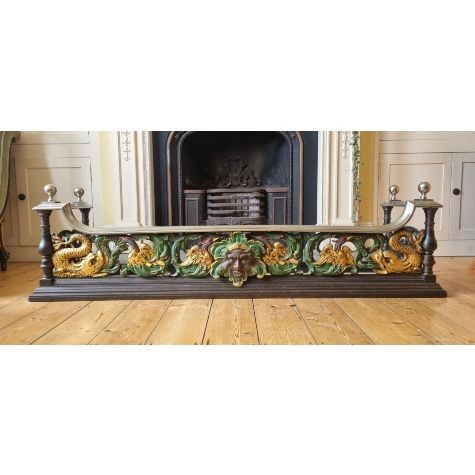
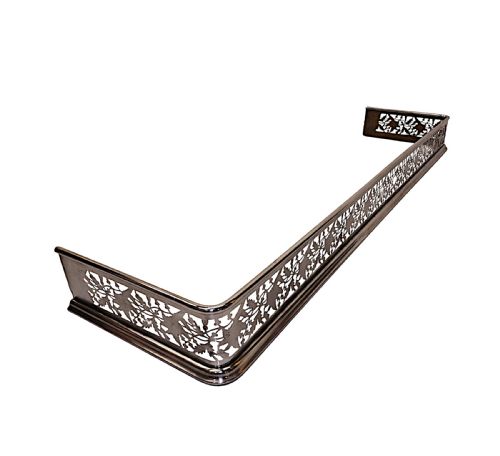
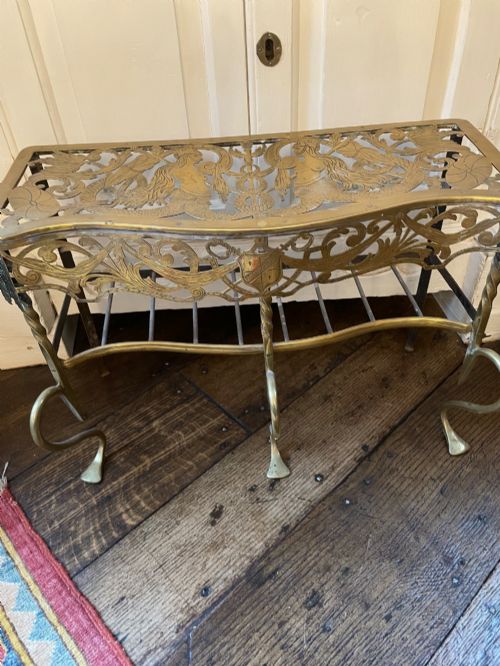
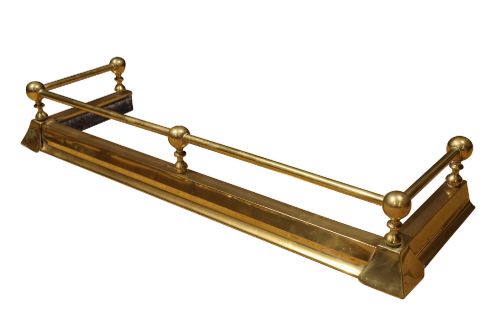
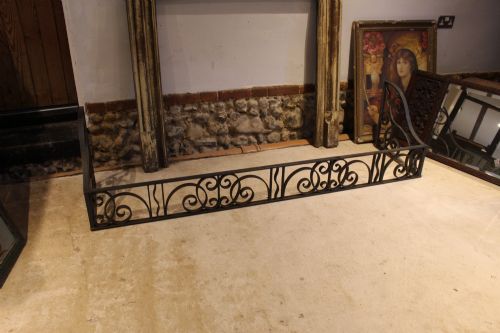
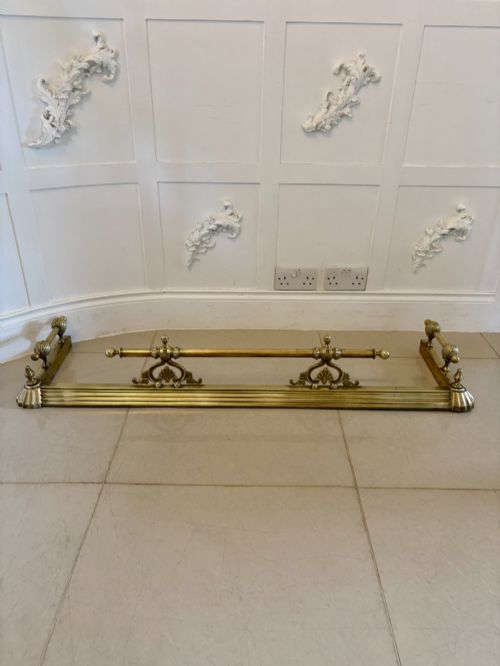
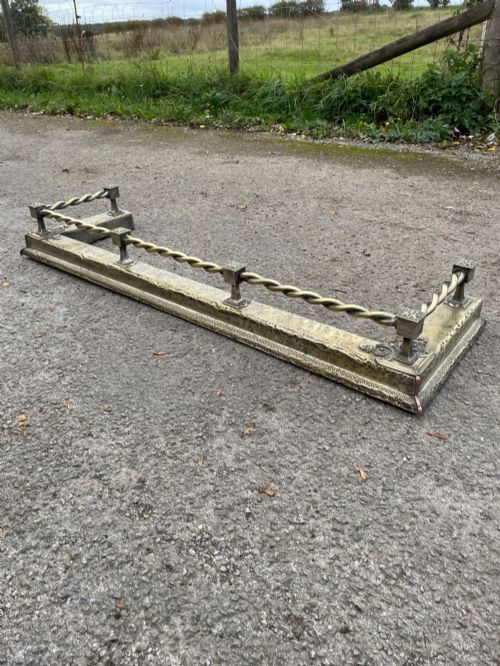
A fireplace surround guard appears in several forms across this selection, most commonly as brass, steel, or iron fire fenders, hearth kerbs, and club fenders. These heavy metal barriers sit directly on the floor around the hearth to keep stray embers contained within the fireplace.
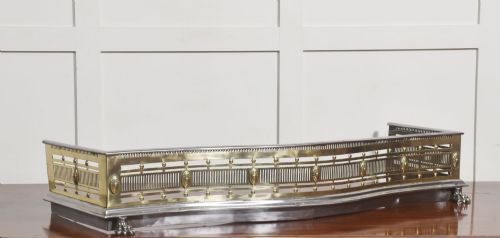
The pieces on this page span the Georgian, Victorian, and Edwardian periods, stretching into the early twentieth century. Buyers will frequently encounter Victorian examples alongside Georgian bowfront or serpentine steel designs and Edwardian club fenders.
Makers and designers from various European and American workshops produced these pieces, incorporating styles from French Rococo and Louis XVI Neoclassical to Arts and Crafts and Art Deco.
Materials and Construction
Metalworking defines these pieces, utilising cast iron, polished steel, brass, copper, and bronze, often combined within a single fender. Artisans pierced, engraved, and riveted these metals, creating detailed galleries and heavy frames designed to withstand intense hearth heat.
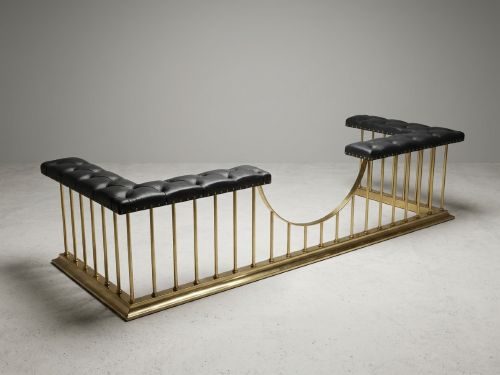
Upholstered club fenders integrate leather seating pads directly onto the metal framework, combining structural ironwork with traditional saddlery techniques. Decorative elements such as green enamel cabochons, flower pateras, and beaded decoration are applied by hand to the primary brass or copper structures.
Fireplace Surround Guard Retail Price Guide 2026
Typical asking prices for fireplace surround guard among the pieces listed under this phrase on Sellingantiques today, from the lower quarter to the upper quarter. They describe what is for sale here now, not the wider market.
Some club fenders arrived straight from gentlemen's smoking rooms, quietly bearing the warm patina of countless Victorian evenings.
Craftsmanship and Proportion
Quality rests on the crispness of the metalwork, distinguishing finely pierced brass and hand-engraved steel from simpler cast elements. Heavier gauge metals and tightly fitted adjustable mechanisms indicate superior workshop production.
Proportion and decorative integration separate standard items from exceptional examples. Pieces featuring specialised details like patinated copper, gilt bronze, or integrated leather upholstery demonstrate higher levels of period craftsmanship.
E F Caldwell New York
The Fireplace Surround Guard Glossary
- Club Fender
- A low hearth guard featuring upholstered leather top rails designed for sitting beside the fire. These seats were popular in libraries and large reception rooms.
- Fire Fender
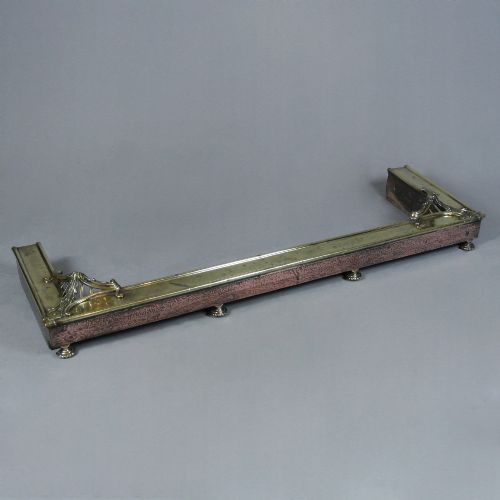
- A metal barrier placed on the floor around the hearth to prevent burning fuel from rolling onto the carpet. They often feature adjustable widths to fit specific fireplaces.
- Patera
- A circular decorative motif resembling a classical medallion or flower, frequently cast in brass and applied to Victorian copper fenders. It adds a refined sculptural detail to flat metal surfaces.
- Serpentine
- A curved shape curving inward then outward, seen on the front edges of high-status Georgian steel fenders. This silhouette required advanced metal shaping skills.
- Pierced Brass
- Metal sheet work perforated with repetitive geometric or floral patterns using saws or punches. This technique allowed air flow while maintaining a decorative barrier.
Fireplace Surround Guard: Frequently Asked Questions
What is a club fender?
A club fender is a specialised hearth guard featuring a low metal frame topped with leather upholstered seats. These pieces allowed people to sit close to the warmth of the fire.
They appear in various period styles, utilising brass or iron supports beneath padded leather cushions designed for comfortable fireside seating.
How do I measure for a fender?
Measuring requires taking the exact width and depth of the hearth space where the guard will rest. Many period fenders include extending mechanisms to adjust the overall length.
Account for the clearance needed around the fireplace opening and ensure the metal base sits flat against the floor surface.
Are these guards adjustable?
Many examples on this page feature sliding sections that allow the width to be adjusted. This engineering enabled standard guards to fit various fireplace dimensions.
Fixed designs are also common, particularly among grander Georgian steel pieces and specialised club fenders built for specific hearths.
How do I clean brass and steel?
Care depends on preserving the original patina accumulated over the centuries. Gentle dusting and appropriate metal cleaners maintain the finish without removing historic character.
Avoid harsh abrasives on patinated copper, bronze, and leather upholstery to keep the materials stable.