
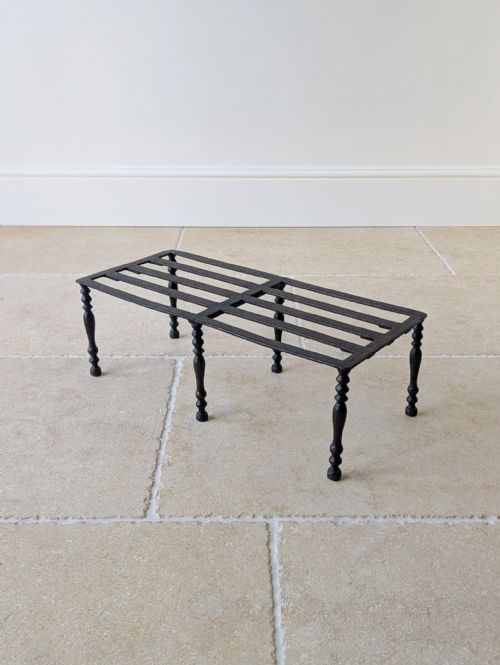
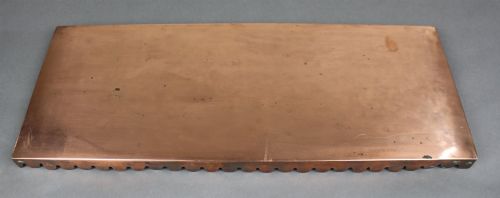
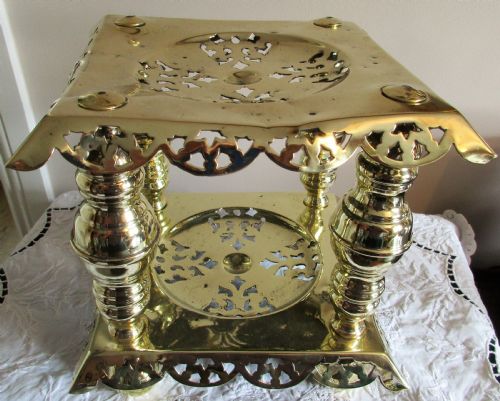
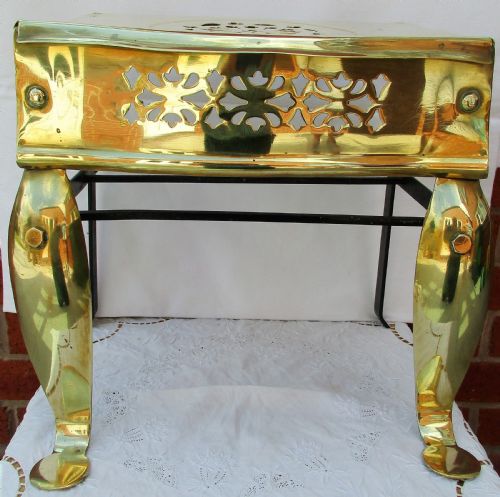


Fireplace Hearth Trivet
These fireplace hearth trivet examples are practical fireside accessories designed to keep kettles and plates warm beside the hearth.
Fireplace Hearth Trivet
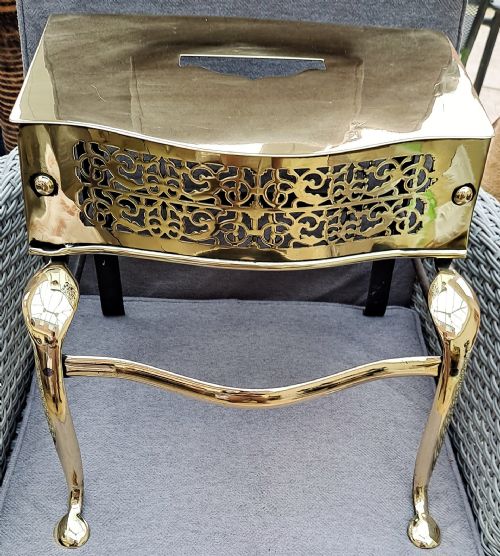
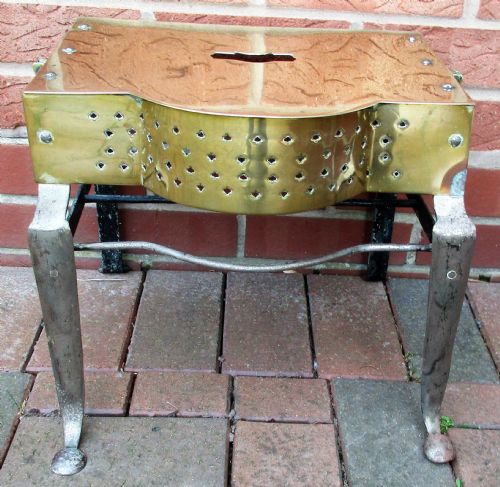
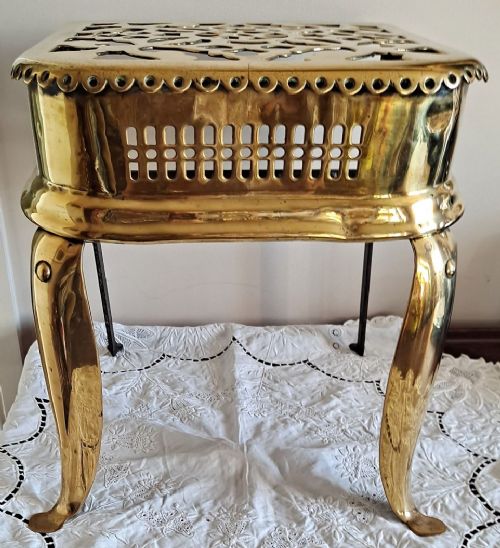
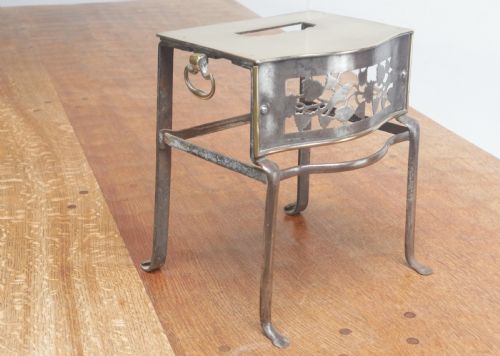
A fireplace hearth trivet sits close to the open fire to support culinary items, kettles, and dishes within reach of the flames. The pieces seen here span the eighteenth, nineteenth, and twentieth centuries, taking the form of footmen, two-tier stands, and plate warmers.
Makers produced these items in Georgian, Regency, Victorian, and Edwardian styles to suit the domestic interiors of the period. Buyers most frequently encounter sturdy brass and steel footmen alongside occasional wooden variations like mahogany cat stands.
Originating from British country houses and urban hearths alike, these utilitarian items served daily domestic routines. Their survival reflects the enduring role of the hearth as the functional centre of the home.
How They Were Made
Artisans utilised durable metals such as brass, copper, steel, iron, and wrought iron to withstand intense fireside heat. Many examples combine a bright brass top plate with a robust steel or iron frame to provide structural stability.
Cabinet makers also employed hardwoods like mahogany for specific plate stands and cat stands intended for lighter fireside use. Construction methods relied on traditional forging, casting, and joining techniques suited to heavy domestic service.
Listings feature brass, steel, iron, copper, and mahogany across Georgian, Victorian, Regency, and Edwardian periods.
What Varies in Quality
The degree of refinement in cast brass work and hand-forged steel separates standard workshop output from exceptional examples. Pierced decoration on top plates and the elegance of cabriole legs demonstrate the original maker's skill and ambition.
Weight and structural substance distinguish heavy inglenook footmen from lighter decorative stands. The integrity of the materials, whether solid mahogany or thick gauge brass and copper, dictates how well each piece has survived centuries of heat exposure.
The Fireplace Hearth Trivet Glossary
- Footman
- A metal stand with four legs placed in front of a fireplace to keep food or water warm. These items usually feature pierced tops and lifting handles.
- Trivet
- A three-legged or four-legged support for a kettle or cooking vessel near a fire. Many historical versions include tiered structures for multiple items.
- Cat stand
- A small wooden or metal stand, often in mahogany or brass, used for holding plates near the hearth. The traditional name derives from its four supporting legs resembling a resting animal.
- Hearth plate
- A flat metal sheet designed to sit on the hearth floor for warming dishes. These often feature decorative shaped edges.
- Inglenook
- The recessed corner by a large fireplace where hearth accessories sit. Items built for this space tend to be exceptionally heavy and robust.
Fireplace Hearth Trivet: Frequently Asked Questions
What is a fireplace hearth trivet used for?
These items stood near open fires to keep kettles boiling and plates warm during meals.
Households relied on them to extend the utility of the hearth for food preparation.
How do I tell Georgian trivets from Victorian ones?
Georgian pieces often display simpler hand-forged wrought iron or clean brass casting with cabriole legs.
Victorian versions frequently introduce heavier ornamentation and two-tier kettle stand designs.
Were these items made from iron or brass?
Makers utilised both metals, frequently combining a polished brass top plate with a strong steel or iron frame.
Some specialised pieces also appeared in solid copper or mahogany.
How do I live with a antique trivet?
These metal and hardwood items fit easily beside modern hearths as functional stands or display pieces.
Regular dusting keeps the brass and copper surfaces looking bright without heavy polishing.