



Fireplace Fireback
A fireplace fireback protects the masonry of an open hearth while reflecting heat back into the room through cast iron mass.
Fireplace Fireback
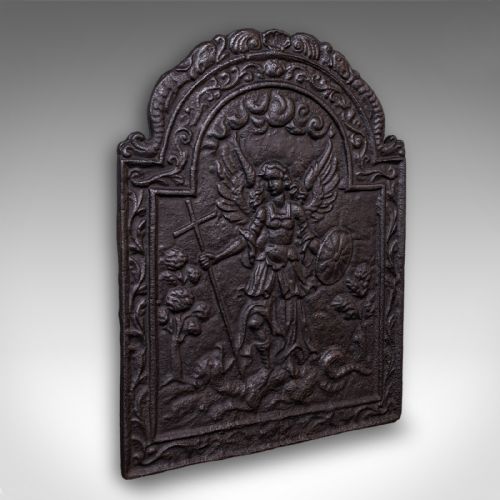
A fireplace fireback sits against the back wall of an open hearth, functioning as both a decorative panel and a thermal reflector. When searching for this phrase, buyers encounter heavy iron plates spanning periods from the seventeenth century through to the Victorian era.
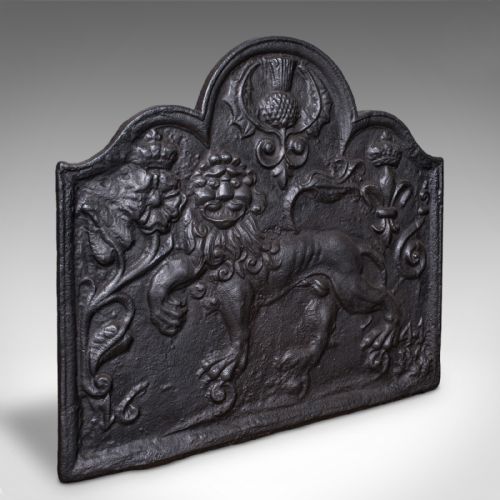
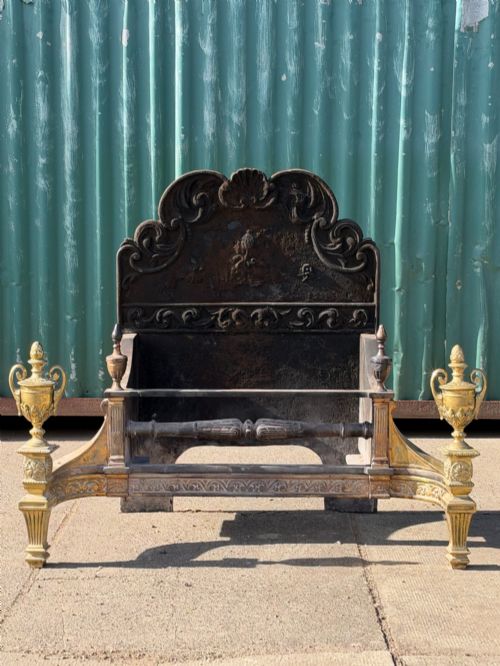
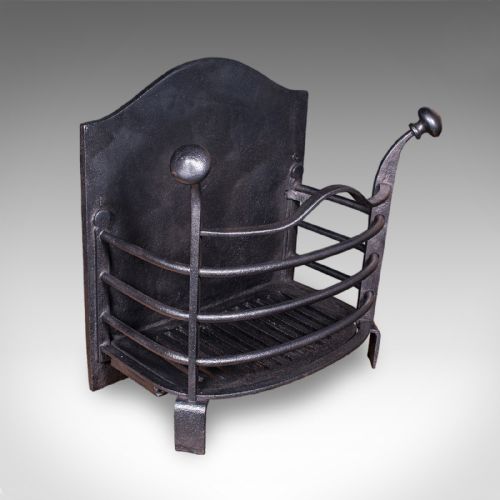
The selections on this page are predominantly Victorian examples cast in iron, alongside earlier seventeenth and eighteenth century pieces, often accompanied by grates, fire baskets, and andirons. Forms range from plain heavy rectangular plates to elaborate relief designs incorporating motifs like the Tree of Life or horse and rider figures.
How they were made
These items rely on traditional metalworking methods, utilising cast iron poured into moulds to create thick, durable plates capable of withstanding intense hearth temperatures. Wrought iron and brass appear in auxiliary components such as fire baskets, grates, and fenders.
Decorative surfaces are achieved through relief casting, pressing patterns directly into moulding sand before the molten metal is poured. This technique allows for crisp detailing in revival styles like the Neoclassical, Baroque, and Tudor aesthetics seen across the inventory.
Fireplace Fireback Retail Price Guide 2026
Typical asking prices for fireplace fireback among the pieces listed under this phrase on Sellingantiques today, from the lower quarter to the upper quarter. They describe what is for sale here now, not the wider market.
The listings span from seventeenth-century castings to late Victorian revival pieces, utilising cast iron, wrought iron, and brass.
What varies in quality
The distinction between standard utility items and finer examples lies in the depth and clarity of the cast relief work. Heavier plates with sharply defined figures, such as historical scenes or botanical motifs, indicate superior foundry work from the period.
Integrity of the metal mass also separates pieces, as thicker cast iron retains and radiates heat more effectively while resisting thermal cracking over decades of use in open hearths.
The Fireplace Fireback Glossary
- Fireback
- A heavy metal plate placed at the back of an open fireplace to protect the wall and reflect heat into the room. These pieces are typically made from cast iron and feature decorative relief moulding.
- Fire Grate
- An iron framework that holds burning fuel elevated above the hearth floor to improve airflow. They frequently accompany firebacks in larger hearth assemblies.
- Andirons
- Horizontal metal bars supported on legs, used to hold logs in an open fireplace. They often appear alongside fire baskets and firebacks.
- Register Grate
- A fireplace insert featuring a moveable plate or damper to control the draught and smoke flow up the chimney. These units combine the grate and surround into a single iron fixture.
- Relief
- A sculptural technique where the figures and patterns project from the flat background plane. This is the primary method for ornamenting cast iron firebacks.
Fireplace Fireback: Frequently Asked Questions
How do I install a fireback?
A fireback simply stands upright against the rear brickwork of an open hearth, often supported by its own feet or tilted slightly backward for stability.
Larger or heavier pieces may use supporting feet or rest behind fire baskets and grates to keep them securely in position during use.
Are these suitable for working fireplaces?
Cast iron firebacks are specifically designed to withstand high temperatures and protect original brick fireplace masonry from direct flame damage.
They absorb heat while a fire burns and continue to radiate warmth into the room long after the flames die down.
What styles are available?
The selection includes various historical revivals such as Neoclassical, Baroque, and Tudor styles, alongside plain utility castings.
Decorative subjects range from heraldic motifs and botanical themes like the Tree of Life to figurative scenes including horses and riders.
How do I measure for a fireback?
Measure the height and width of the rear brick panel in your fireplace to ensure the iron plate fits comfortably without obstructing grates or andirons.
Take note of the overall weight and thickness, as these plates are exceptionally heavy and require adequate hearth support.