
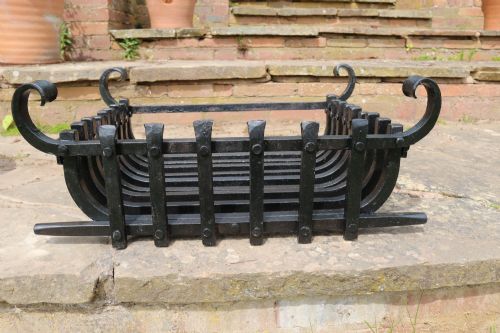
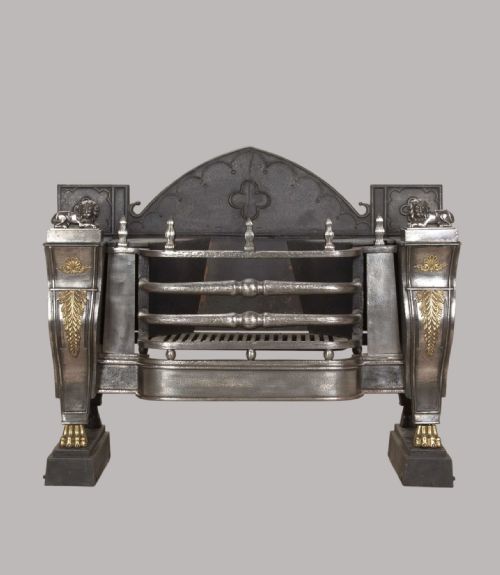
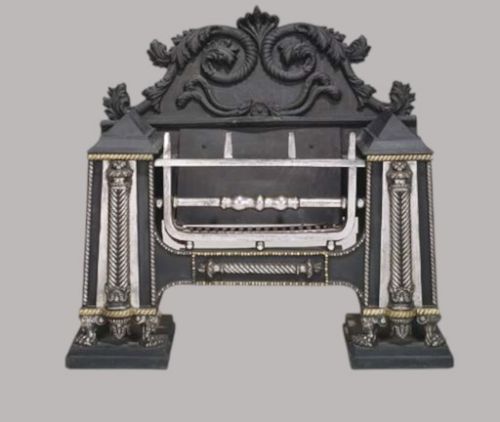


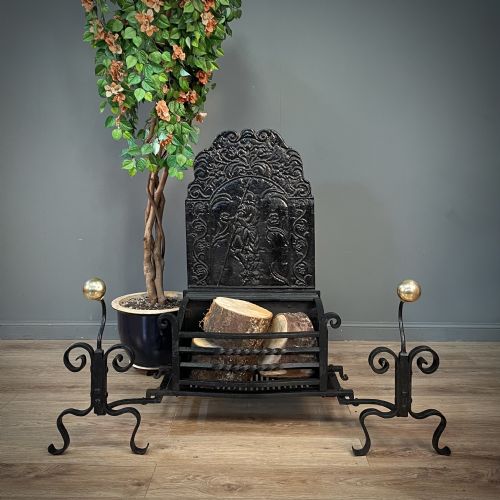

Fireplace Basket Insert
These fireplace basket insert examples bring period character and functional warmth to a hearth, offering the exact forms collectors hunt for.
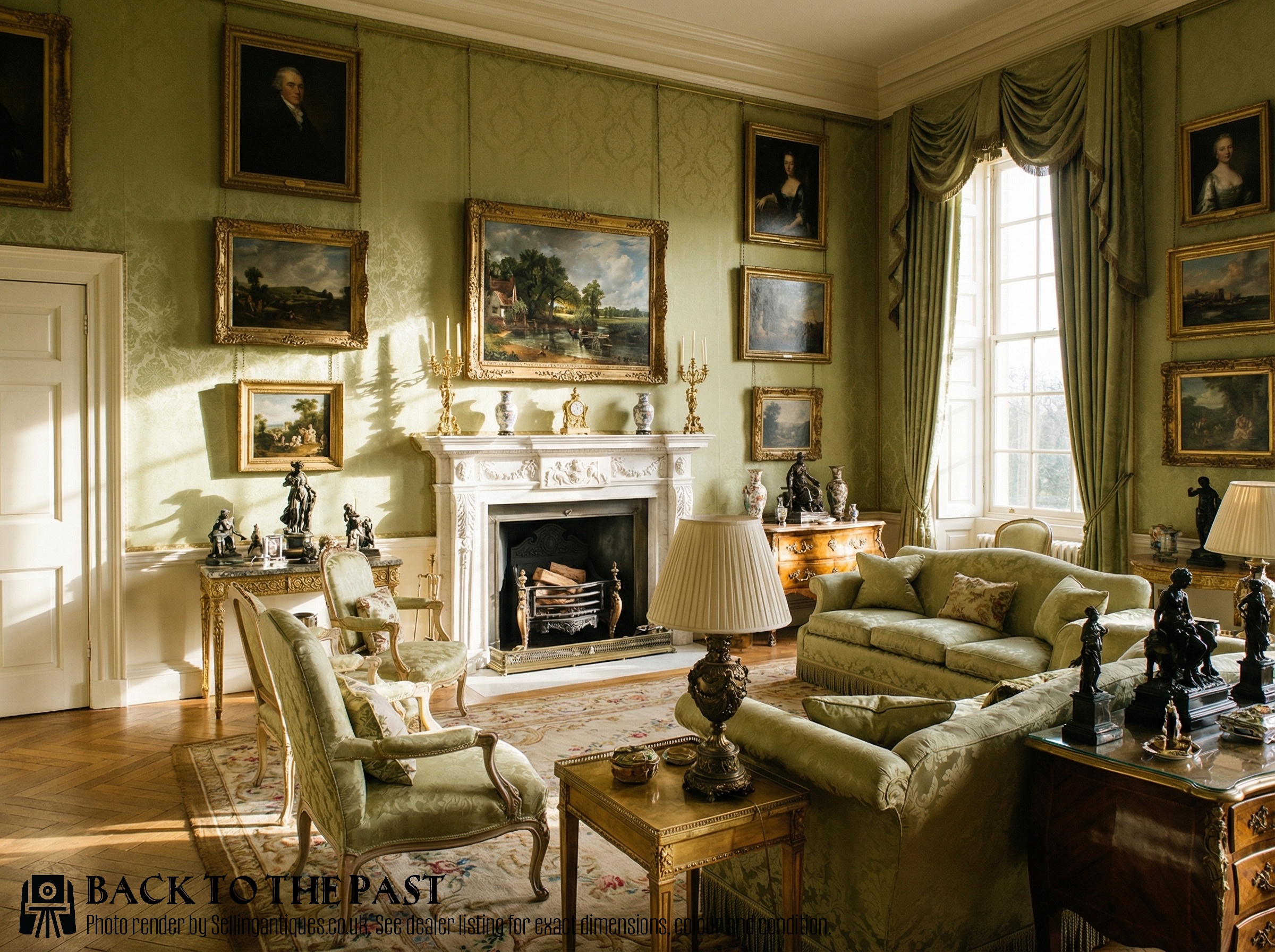
Fireplace Basket Insert
A fireplace basket insert sits within the hearth to hold fuel and direct heat, drawing the eye as the focal point of a room. When you search for a fireplace basket insert, you are looking at substantial metalwork designed to fit existing chimney openings.
The pieces listed on this page span several distinct periods, including Georgian, Regency, Victorian, and Edwardian eras. You will frequently encounter heavy cast iron and wrought iron grates alongside brass accents and integrated firebacks.
Alongside conventional grates, related forms such as peat buckets and register grates appear within the selection. These objects reflect the changing domestic heating requirements and decorative tastes of the nineteenth and early twentieth centuries.
Materials and construction
Foundries utilised robust cast iron and malleable wrought iron to construct the structural bodies and load-bearing grates. These metals were cast in moulds or hammered by hand to form bars capable of withstanding intense hearth temperatures.
Brass elements and bright iron fittings were frequently incorporated for decorative contrast, particularly in neoclassical and Adams style pieces. Firebrick linings were also utilised to retain heat and protect the surrounding metal frame.
Cabinetmakers occasionally applied timber elements like mahogany and satinwood to related hearth accessories such as peat buckets. This combined metal strength with fine woodworking techniques suited to polite rooms.
Current listings feature items from the Georgian, Regency, Victorian, and Edwardian periods, constructed primarily from cast iron, wrought iron, and brass.
Judging quality in hearth furniture
Quality reveals itself in the crispness of the casting and the weight of the metal used in the construction. Finer examples display cleanly defined classical motifs, balanced proportions, and careful hand-finishing on the visible surfaces.
The integration of brass details and the architectural harmony of styles like Regency or Adam design distinguish superior work from utilitarian foundry output. Durability and structural integrity of the basket bars remain essential markers of standard.
The Fireplace Basket Insert Glossary
- Hob grate
- A type of fireplace insert featuring raised side platforms used for keeping kettles warm. These grates frequently date from the Georgian and Regency periods.
- Register grate
- A metal fireplace frame equipped with a movable flap or damper to control the draught up the chimney. They became common in nineteenth-century interiors.
- Andirons
- Horizontal metal bars supported by vertical legs, placed in a hearth to hold logs. They often accompany fire baskets in period settings.
- Peat bucket
- A deep cylindrical container, sometimes fashioned from mahogany, used for storing fuel near the fire. They bridge the gap between utility and fine furniture.
Fireplace Basket Insert: Frequently Asked Questions
What periods do these inserts come from?
The available pieces span the Georgian, Regency, Victorian, and Edwardian eras, extending into the early twentieth century. Each period brought distinct stylistic preferences to hearth design.
Early examples lean towards classical lines, while later Victorian and Edwardian items often feature heavier cast iron work and robust proportions.
How were these baskets originally used?
These metal baskets held coal, wood, or peat inside the hearth to heat domestic rooms. Their open bar construction allowed air to circulate around the fuel for efficient burning.
Many designs also incorporated firebacks to reflect warmth back into the chamber and protect the masonry behind.
How do I fit one into a modern fireplace?
Fitting requires careful measurement of your existing hearth opening's width, depth, and height against the dimensions of the specific basket. Professional consultation ensures the insert complies with current safety and flue regulations.
Free-standing models simply sit within the opening, while fixed register grates may require professional masonry installation.
Can I burn real wood in these grates?
Many of these pieces were built for solid fuel use, but historical grates require inspection for hairline fractures before burning. Extreme thermal shock can damage antique cast iron.
Many buyers choose to use gas log sets or electric alternatives for daily convenience while retaining the historic metal exterior.