



Fine Weave Rug
When you search for a fine weave rug, you encounter dense wool, silk, and cotton floor coverings tied or flatwoven across Persia, the Caucasus, and Central Asia.
Fine Weave Rug
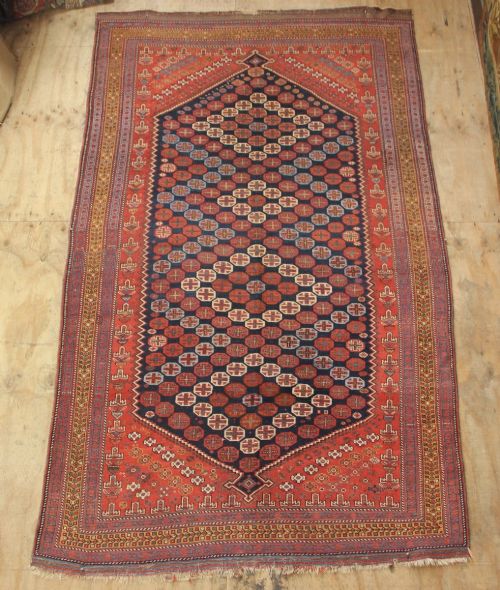
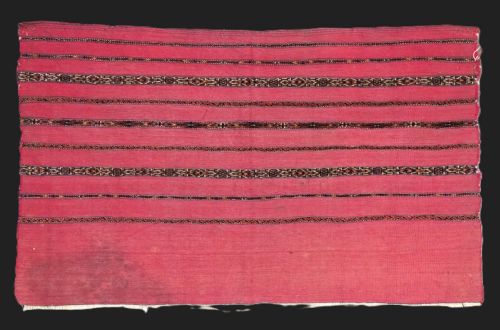
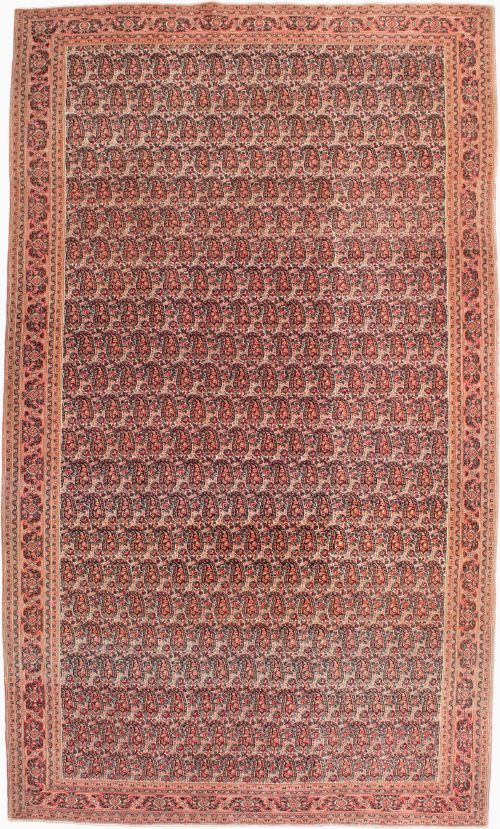
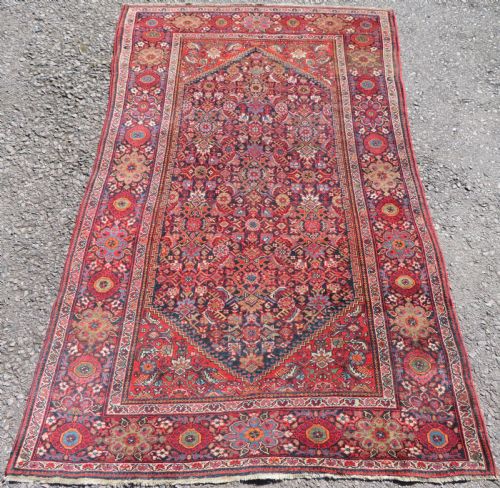
A fine weave rug encompasses historic floor coverings and smaller tribal textiles originating from traditional weaving centres in Persia, the Caucasus, and Central Asia. These items range from large room-sized carpets down to compact bag faces, torbas, and saddlebags produced for domestic use or tribal life.
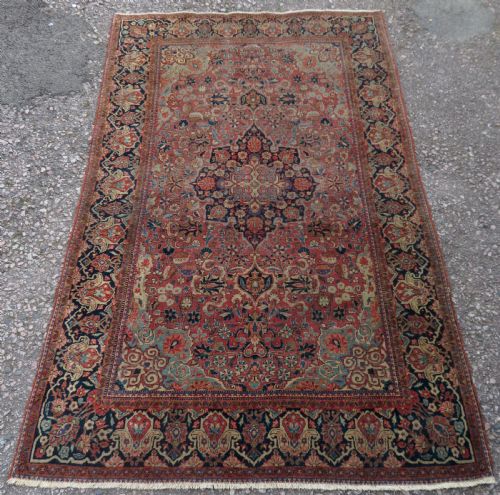
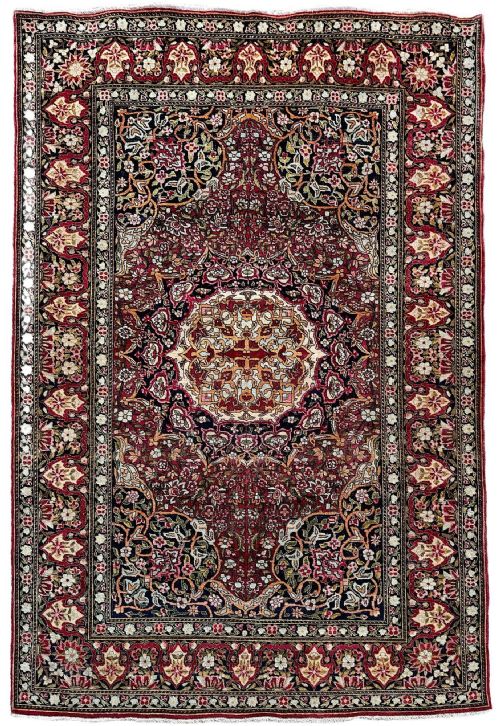
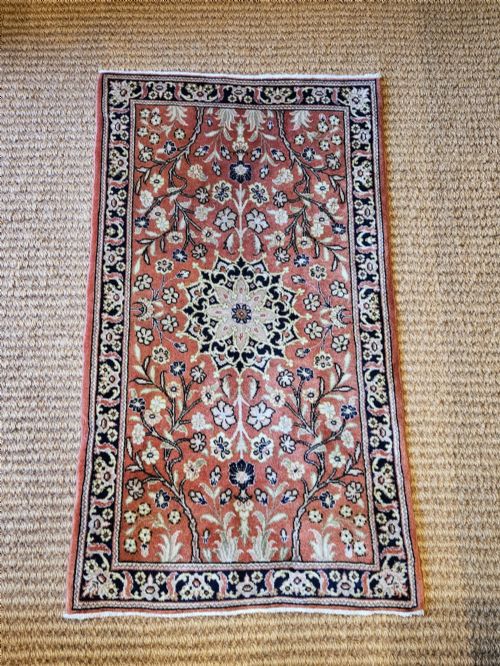
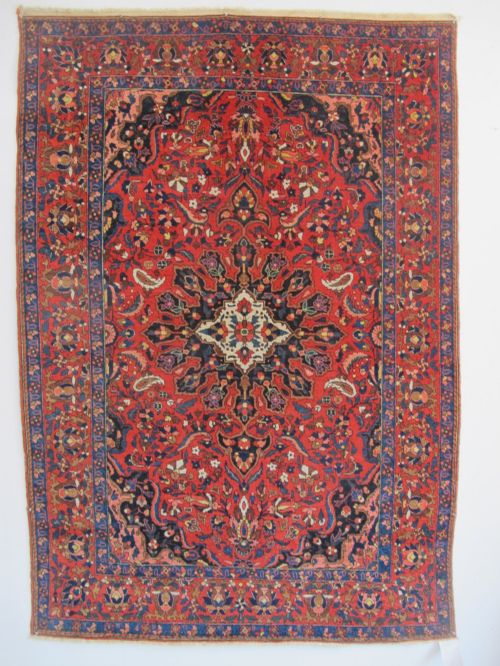
The versions most commonly met on this page date from the mid-nineteenth century through to the early decades of the twentieth century. They include town productions from Kashan, Isfahan, and Qum alongside nomadic and village pieces from Turkmen, Bakhtiar, and Qashqai weavers.
Buyers encounter formats varying from long runner proportions to square formats and intricate small fragments. Each piece displays distinct regional iconography, structural foundations, and pile treatments characteristic of its specific origin.
How they were made
The construction relies heavily on foundational warps and wefts of cotton or wool, supporting dense wool, lambswool, or silk pile knots. Natural dyes provide the enduring palette, absorbing into animal fibres to create rich tones that age with considerable depth.
Weavers employ asymmetric or symmetric knotting techniques packed tightly down the warp threads to achieve high knot counts per square inch. This meticulous density allows intricate curvilinear medallion layouts or strict geometric tribal motifs to hold their sharp definition over generations of use.
Fine Weave Rug Retail Price Guide 2026
Typical asking prices for fine weave rug among the pieces listed under this phrase on Sellingantiques today, from the lower quarter to the upper quarter. They describe what is for sale here now, not the wider market.
Many small saddlebag faces survive today only because nomadic families cut them apart when the side seams finally wore out.
What varies in quality
Quality rests upon the density of the knotting and the precision with which the design is executed across the foundation. Finer knot counts permit greater intricacy in floral curves or geometric medallions, separating standard utilitarian items from master workshop or dowry pieces.
The choice of materials likewise dictates the character of the surface, with lustrous silk or exceptionally fine lamb's wool yielding a more tactile handle. The purity and stability of the natural dyes determine how cleanly the palette transitions as the material wears.
The Fine Weave Rug Glossary
- Warp
- The stationary vertical strings stretched tightly on the loom that form the structural skeleton of the rug. All pile knots are tied around these parallel threads.
- Weft
- The horizontal strands passed across the warp threads after each row of knots to lock the structure firmly in place. They determine the firmness of the rug's body.
- Chuval
- A large storage bag face produced by Turkmen nomadic groups, featuring repetitive guls and structured formats. These items were traditionally used inside yurts for household possessions.
- Gul
- A medallion or octagonal primary motif repeated across Turkmen carpets and tribal bag faces. Each design often signifies a specific clan or tribal lineage.
- Kilim
- A flatwoven textile created without pile by tightly interweaving warp and weft threads to form geometric patterns. These lighter pieces function as floor coverings or hanging covers.
Fine Weave Rug: Frequently Asked Questions
Where were these rugs made?
The pieces originate primarily from historical weaving regions in Persia, the Caucasus, and Central Asia. Specific towns like Kashan, Isfahan, and Qum contributed refined workshop carpets, while nomadic groups such as the Tekke Turkmen, Qashqai, and Bakhtiar produced distinctive tribal rugs and bag faces.
Each geographical area developed its own repertoire of dyes, wool qualities, and structural formats. Recognising these regional traits helps connect an individual textile to its specific cultural source.
How do I care for a historic rug?
Protecting these textiles involves placing them in areas away from direct, harsh sunlight to prevent the natural dyes from fading over time. Regular gentle vacuuming without a rotating power brush removes embedded dust safely from the wool or silk pile.
Professional cleaning tailored to antique vegetable-dyed carpets should be utilised periodically rather than standard household washing. Allowing air circulation underneath prevents moisture retention in the cotton or wool foundation.
What is a dowry weaving?
Dowry pieces represent items such as torbas and chuvals created by young women as part of their marriage preparations in nomadic communities. These textiles received the highest level of care, featuring exceptionally fine knot counts and dense symbolic patterning.
Families valued these items for their utility and status within the household. Today, collectors prize them for their superior technical execution and personal artistic expression.
How do I distinguish regional styles?
Distinguishing regions depends on observing the specific geometry of the motifs, the structural handle of the foundation, and the composition of the border bands. Persian town pieces often display curvilinear floral vines and central medallions, whereas Caucasian and Turkmen pieces favour crisp geometric guls and stark polygons.
Examining the selvedges and the back of the weave reveals the specific knotting density and spinning characteristics unique to each tradition. Comparing these structural clues against known regional examples clarifies the attribution.