



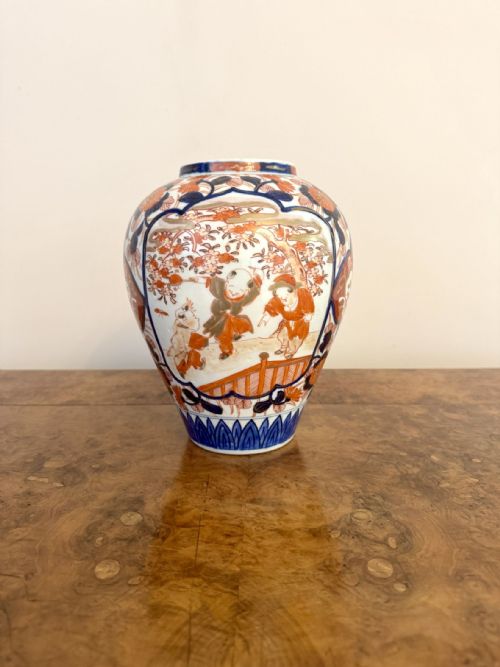



Fine Porcelain Urns
Fine porcelain urns unite classical proportion and painted detail, bringing enduring decorative presence to mantelpieces and side tables.
Fine Porcelain Urns
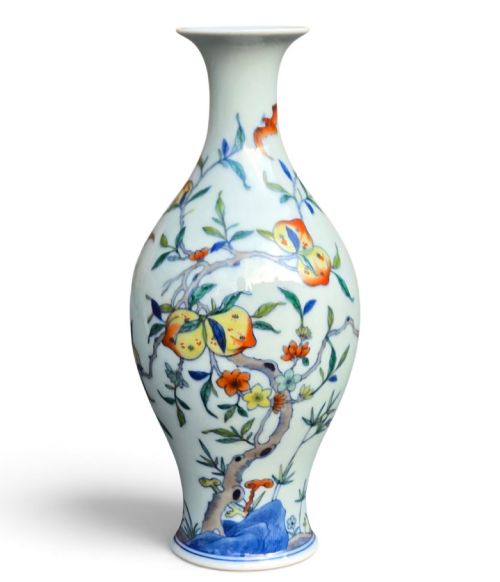
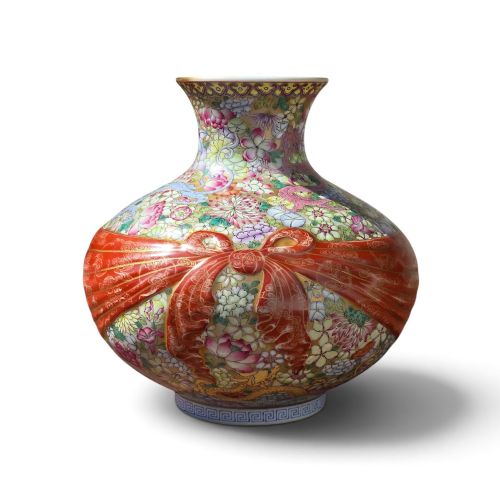
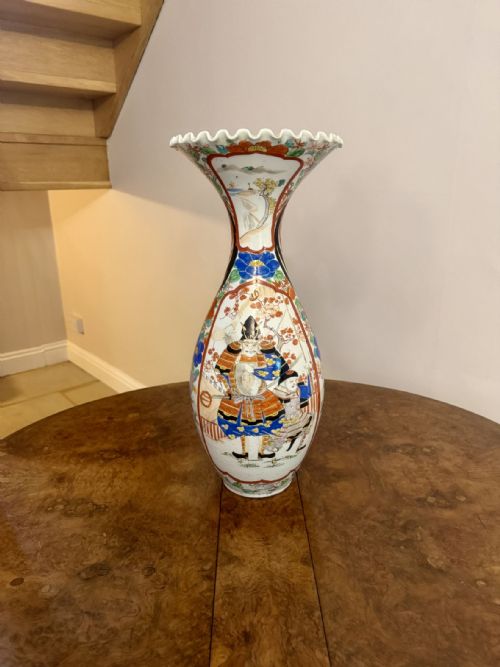
Fine porcelain urns encompass decorative vessels, campana shapes, and lidded jars produced across European factories and East Asian kilns. Buyers seeking these pieces encounter items ranging from Georgian English porcelain to Meiji period Japanese Satsuma and Imari works.
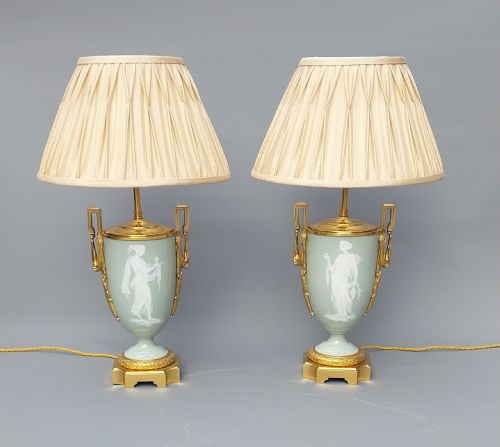
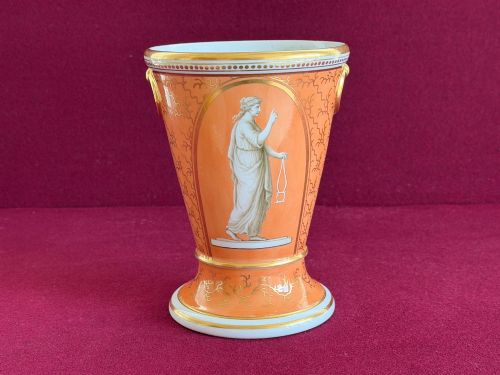
The selection on this page draws heavily from nineteenth-century production, spanning French neoclassical styles, Victorian garnitures, and Chinese Qing dynasty pieces. Formats extend from monumental mantel garnitures down to miniature cabinet vases.
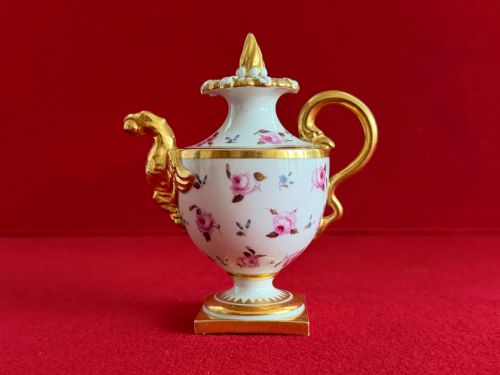
Makers represented include prominent English porcelain houses alongside continental European manufactories and Japanese studios. Each piece reflects the aesthetic priorities of its specific origin, whether through hand-painted botanical studies or intricate gilt bronze mounts.
Materials and production
Construction relies upon refined ceramic pastes fired at high temperatures to achieve dense, vitreous bodies. Surface decoration frequently incorporates hand-painted enamels, iron-red pigments, and raised gold or gilding applied over the glaze.
Mounts and structural elements often utilise gilt bronze or brass, particularly on French neoclassical pieces. Certain Japanese works employ specialised techniques like moriage to build up raised decorative relief patterns on the ceramic surface.
Fine Porcelain Urns Retail Price Guide 2026
Typical asking prices for fine porcelain urns among the pieces listed under this phrase on Sellingantiques today, from the lower quarter to the upper quarter. They describe what is for sale here now, not the wider market.
Several miniature vases stand under four inches tall, proving that grand decorative ambition sometimes arrives in miniature proportions.
Distinctions in quality
Quality rests upon the crispness of the porcelain body and the precision of the hand-painted detail. Master painters working for established factories achieved finer linework and more naturalistic colour blending than routine workshop productions.
The integration of secondary materials dictates overall execution. Finely chased gilt bronze mounts and balanced proportions separate exceptional studio pieces from standard decorative wares.
Flight and Barr·Royal Worcester·Kinkozan·KPM Berlin·Spode
The Fine Porcelain Urns Glossary
- Campana
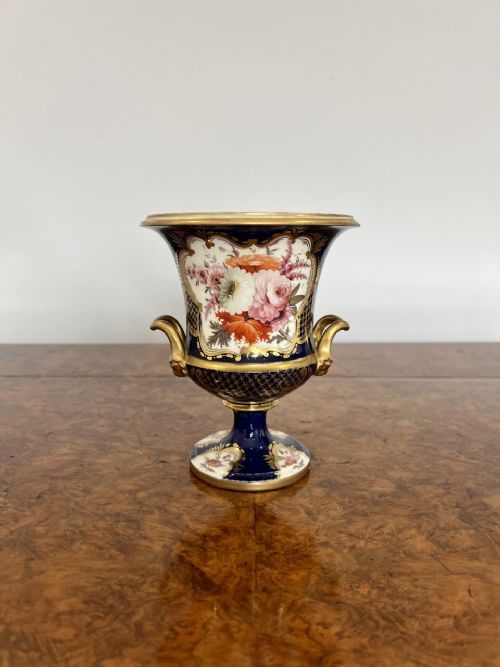
- A bell-shaped vessel with a flaring rim and foot, commonly produced in ceramic and metal during the nineteenth century. This classic classical silhouette derives from ancient Roman bronze models.
- Garniture
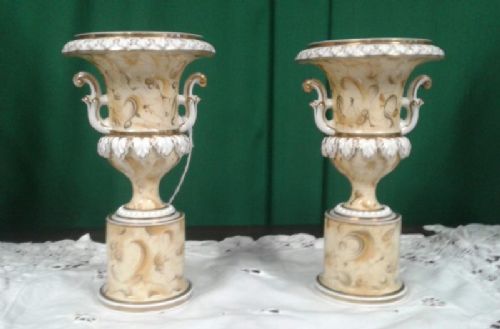
- A set of matched vases or urns designed to be displayed together on a mantelpiece or cabinet. These sets typically comprise three or five graduated pieces.
- Imari
- Japanese porcelain decorated in underglaze blue, iron red, and gilt, originating from Arita. The style gained immense popularity in Europe during the export periods.
- Moriage
- A Japanese ceramic technique using clay applied through a piping bag to create raised decorative motifs. This texture is frequently highlighted with gilding.
- Pâte-sur-pâte
- A method of ceramic decoration where layers of liquid clay slip are built up to create a low relief cameo effect. The technique demands immense skill from the ceramic artist.
Fine Porcelain Urns: Frequently Asked Questions
How do I identify a Victorian urn?
Victorian pieces often display eclectic revival styles, combining heavy gilding with hand-painted floral or figural panels. Examine the baseline form and glaze characteristics to match the expected manufacturing standards of the period.
Markings underneath the glaze or impressed into the ceramic body frequently point toward specific English or continental potteries active during the nineteenth century.
Where were Satsuma urns made?
Satsuma wares originated in the Satsuma province of Kyushu, Japan, though significant production later centered in Kyoto workshops. These pieces are recognised by their ivory-colored cracked glaze and dense polychrome enamel painting.
Many fine examples from the Meiji period bear signatures of specific artists or studio circles such as Kinkozan on the base.
How were garniture sets displayed?
Garniture sets were traditionally arranged along mantelpieces, sideboards, or large cabinets in formal reception rooms. The central, larger vase was flanked by matching smaller vessels to create architectural symmetry.
This method of display highlights the graduated proportions and unified decorative themes of the set.
What defines French neoclassical urns?
French neoclassical designs draw inspiration from classical antiquity, featuring restrained forms, architectural handles, and formal painted scenes. Gilt bronze mounts frequently secure and elevate the porcelain body.
These pieces reflect the refined tastes of nineteenth-century Parisian salons and cabinetmakers.