





Fine Porcelain Bowl
A fine porcelain bowl offers a delicate balance of utility and artistry, drawing collectors to pieces shaped across centuries and continents.
Fine Porcelain Bowl
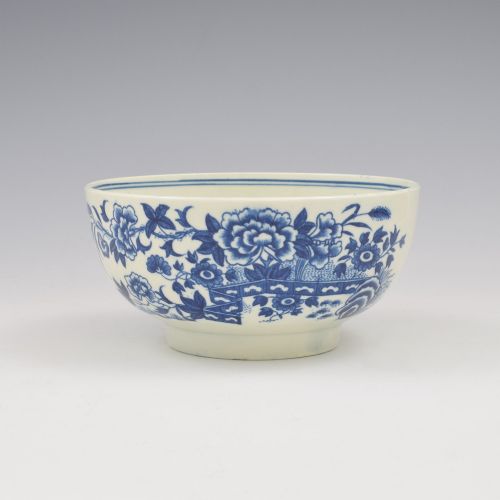
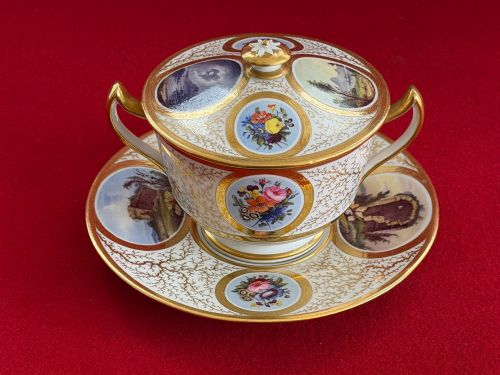
A fine porcelain bowl encompasses a diverse selection of vessels, ranging from eighteenth-century English soft-paste tea wares to nineteenth-century Chinese canton large bowls and delicate Japanese Satsuma pieces. When searching for a fine porcelain bowl, buyers encounter everything from deep lobed serving dishes and slop bowls to intricate eggshell bowls bearing imperial marks.
The objects originate from notable periods including the seventeenth, eighteenth, and nineteenth centuries, alongside early twentieth-century examples from English factories like Royal Crown Derby and Royal Worcester. Chinese export porcelain from the Qianlong and Guangxu periods frequently appears, demonstrating traditional underglaze blue and famille rose decoration.
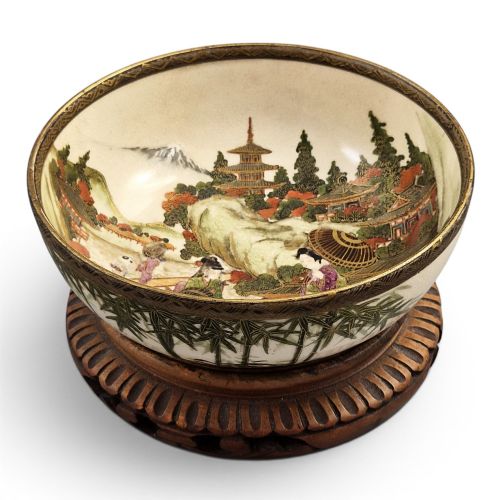
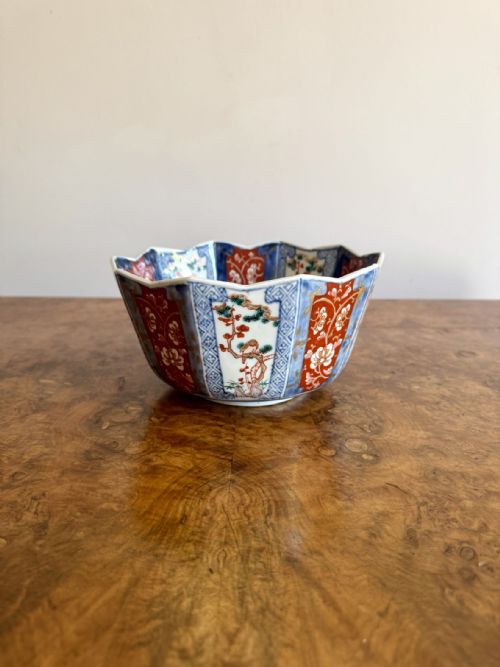
Japanese craftsmanship is strongly represented by Meiji period Satsuma bowls signed by makers such as Gyokkō and Kozan, alongside Japanese Imari ware. European output includes German porcelain dishes from Meissen and Paul Müller Selb, reflecting diverse regional styles from Rococo Revival to Georgian and Victorian interpretations.
Materials and construction
Makers utilised porcelain and soft-paste porcelain as the fundamental body for these vessels, shaping them on the wheel or moulding them into deep dishes, cups, and lobed bowls. Artisans applied smooth glazes to the ceramic surfaces, creating vitreous finishes that protected the underlying body and provided a clean ground for painted decoration.
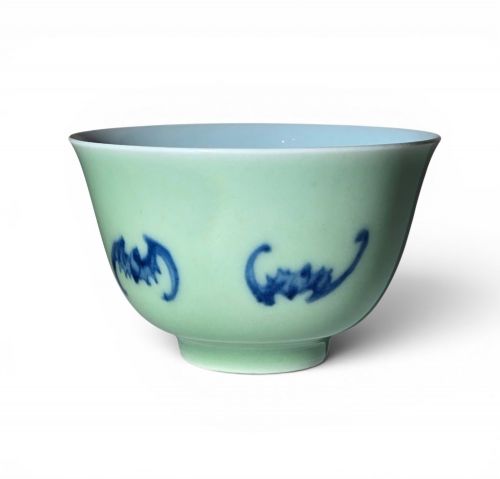
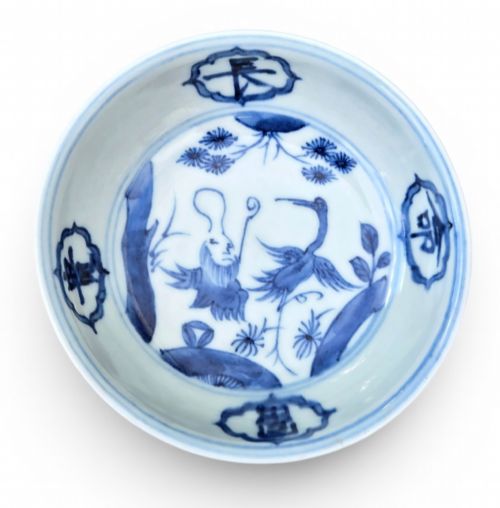
Decoration relied on underglaze blue pigments, vibrant enamel colours, and delicate applications of gold leaf and gilt to accentuate motifs such as flowers, bats, and melons. Kiln firing fixed these pigments permanently into the glaze, while specific marks were added to denote imperial periods or particular factory workshops.
Fine Porcelain Bowl Retail Price Guide 2026
Typical asking prices for fine porcelain bowl among the pieces listed under this phrase on Sellingantiques today, from the lower quarter to the upper quarter. They describe what is for sale here now, not the wider market.
Certain antique bowls feature hidden bats painted inside, which traditionally symbolise good fortune and boundless happiness in Chinese culture.
Assessing quality in porcelain bowls
The refinement of the porcelain body and the weight of the piece distinguish finer examples, particularly in eggshell porcelain where thin walls require immense technical skill. The crispness of the painted enamel details, the precision of underglaze blue brushwork, and the alignment of gilt borders reveal the dexterity of the painter.
Provenance and attribution elevate certain pieces, such as those bearing clear reign marks from Chinese dynasties or signatures from identified Meiji period Japanese masters. Preservation of the original glaze sheen and the intactness of delicate gilt or enamel highlights without excessive rubbing indicate careful handling over generations.
Flight Barr And Barr·Royal Crown Derby·Doulton Burslem·Royal Worcester·Paul Müller Selb
The Fine Porcelain Bowl Glossary
- Soft-paste porcelain
- A ceramic composition developed in Europe using glassy frit and white clay substitutes rather than hard-paste kaolin, resulting in a warmer, slightly softer body often found in eighteenth-century English wares.
- Famille rose
- A palette of opaque enamel colours introduced in Chinese ceramics during the Qing dynasty, dominated by pink and rose shades mixed from gold chloride.
- Imari
- A style of Japanese export porcelain characterised by a distinctive colour scheme of underglaze blue, iron red, and gilt accents.
- Celadon
- A pale green glaze applied to ceramics, originating in China and prized for its resemblance to jade.
- Satsuma
- Japanese earthenware pottery produced in Kagoshima and later other prefectures, featuring a fine crackle-glaze finish decorated with elaborate polychrome enamels and gilding.
Fine Porcelain Bowl: Frequently Asked Questions
How do I care for a porcelain bowl?
Wash porcelain bowls by hand in warm water using a mild, non-abrasive detergent to protect vulnerable enamel and gilt details from harsh chemicals.
Avoid placing antique pieces in dishwashers or using abrasive sponges that can scratch the glaze and wear away hand-painted motifs.
Were these bowls used daily?
Many bowls served specific domestic functions such as holding sugar, serving fruit, or containing slops during eighteenth and nineteenth-century tea services.
Finer decorative dishes and eggshell bowls were often displayed on surfaces or reserved for formal occasions rather than routine daily dining.
How can I tell Chinese from Japanese porcelain?
Chinese pieces often feature specific imperial reign marks, celadon glazes, or famille rose enamel palettes developed during the Qing dynasty.
Japanese bowls frequently exhibit distinct characteristics like Meiji period Satsuma crackle glazes, Imari patterns, or signatures from individual studio artists.
What does an 18th century mark mean?
Period marks indicate the era when a piece was manufactured, serving as a chronological benchmark for collectors and historians.
Some later wares also bear apocryphal marks paying homage to earlier imperial dynasties, requiring careful stylistic analysis to determine exact age.