



Fine Jewellery Brooch
When you search for fine jewellery brooch, you are looking at centuries of wearable artistry spanning Victorian, Edwardian, and mid-century eras.
Fine Jewellery Brooch
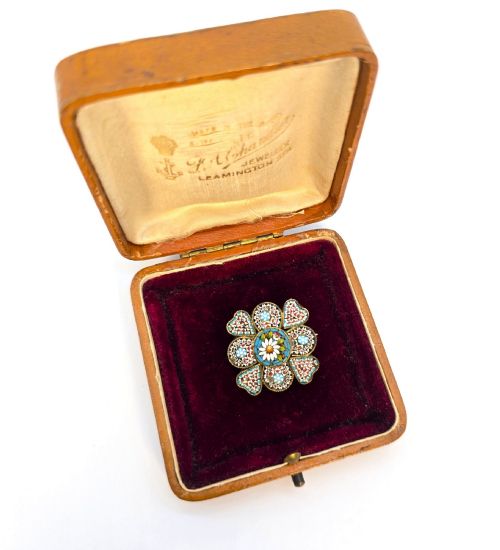
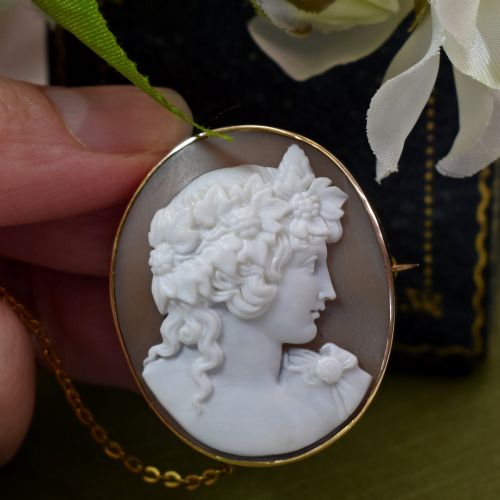
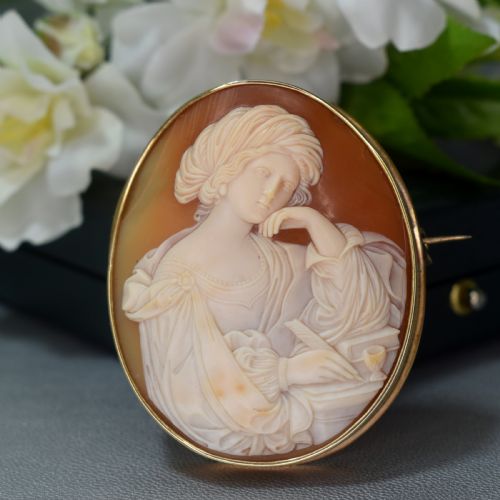
A fine jewellery brooch encompasses an array of historical forms, ranging from Victorian micro-mosaics and shell cameos to Edwardian diamond tiara brooches and Art Deco platinum lines. Buyers searching for a fine jewellery brooch encounter pieces designed to pin to garments, serve as pendants, or convert into necklaces.
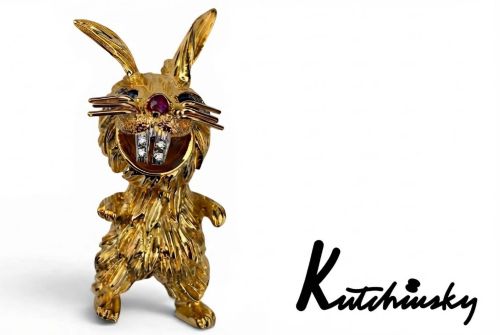
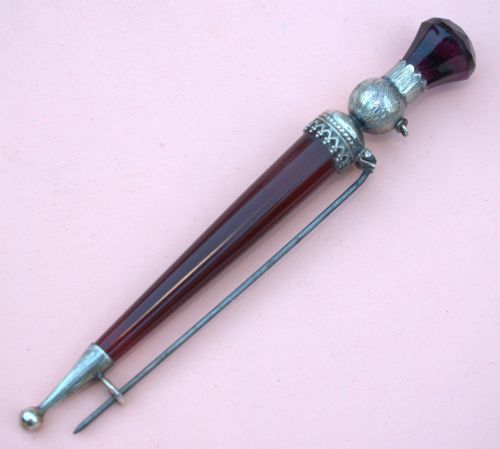
The selection on this page leans heavily into established periods, including Victorian Scottish silver and agate dirk pins, Edwardian sapphire and pearl clusters, and 1940s retro animal designs. Each type reflects the prevailing fashion of its decade, from classical revival subjects to whimsical novelty pieces like gold poodles, rabbits, and ducklings.
Materials and construction methods
Goldsmiths utilised yellow gold, white gold, platinum, and silver to set diamonds, pearls, sapphires, rubies, and emeralds, often combining metals like platinum and 18ct gold in Edwardian and Art Deco pieces. Stones were cut by hand, utilising old cut diamonds alongside flat cut almandine garnets and agates.
Craftsmen employed intricate techniques such as micro-mosaics, hand-carved shell cameos, and boxwood carving, mounted securely in bezels, claws, or pierced openwork frames. Novelty animal brooches demonstrate textured goldwork paired with multi-gem settings and coloured gemstones for eyes.
The listings span from 1860 Victorian cameos to 1960s gold novelty animal pins.
Distinctions in quality
Quality rests upon the precision of the stone setting, the clarity and carat weight of diamonds and coloured gems, and the artistry of the hand-carved cameos or micro-mosaics. Signed pieces from established makers such as Cartier, Kutchinsky, and Gubelin command distinct attention for their documented provenance and superior design execution.
The integration of precious metals also defines the upper tier, where platinum is used to maximise light reflection in diamond-set floral sprays and geometric bar brooches. Superior structural integrity ensures that delicate pierced hearts, crescent pins, and multi-tier clusters remain stable and wearable.
Kutchinsky·Gubelin·Cartier Paris·E. Wolfe & Co·Asprey's
The Fine Jewellery Brooch Glossary
- Micro-mosaic
- A meticulous decorative technique formed by assembling tiny glass tesserae into pictorial scenes. It appears frequently in nineteenth-century Italian pieces.
- Shell cameo
- A relief carving utilising the distinct coloured layers of seashell to depict classical profiles or mythological figures. These are typically set within gold frames.
- Old cut diamond
- A hand-faceted diamond cut before modern automated standards, featuring a smaller table and high crown that catch candlelight softly. They are characteristic of Victorian and Edwardian mounts.
- Pendant brooch
- A versatile jewel equipped with both a pin fitting and a hidden loop, allowing it to be worn on clothing or suspended from a chain as a pendant.
- Giardinetti
- A period design style translating to little garden, featuring floral motifs composed of various coloured gemstones in a basket or vase setting.
Fine Jewellery Brooch: Frequently Asked Questions
How do I wear a fine jewellery brooch today?
Pin a vintage diamond spray or gold animal brooch to the lapel of a tailored blazer, anchor a silk scarf at the shoulder, or suspend a pendant brooch from a delicate chain.
Heavier pieces require structured fabrics like wool or heavy silk to support their weight without pulling the garment.
Can I wear my brooch as a pendant?
Many historical examples function as both brooches and pendants thanks to integrated hinged loops or concealed bails on the reverse. This dual functionality was particularly popular during the Edwardian era.
Check the reverse of the setting for a fold-down loop before threading a chain through.
How do I distinguish Edwardian brooches from Victorian ones?
Victorian pieces often feature heavy yellow gold, ornate silver-topped mountings, and rich coloured stones like garnets, amethysts, and shell cameos. By contrast, Edwardian pieces favor platinum and white gold, utilising light airy openwork, millegrain edges, and abundant diamonds.
Look at the overall palette and metal choice to identify the stylistic shift.
What is a bar brooch and how was it used?
A bar brooch consists of a narrow horizontal metal bar, often accented with gemstones, pearls, or a central motif, fitted with a pin running along the back. They were traditionally fastened at the neckline of a blouse or across a lapel.
Their linear geometry makes them versatile accessories for daily wear.