


Botanical Floral Pin
These botanical floral pin examples bring delicate garden forms into metal and enamel, offering wearable artistry that collectors prize for everyday elegance.
Botanical Floral Pin
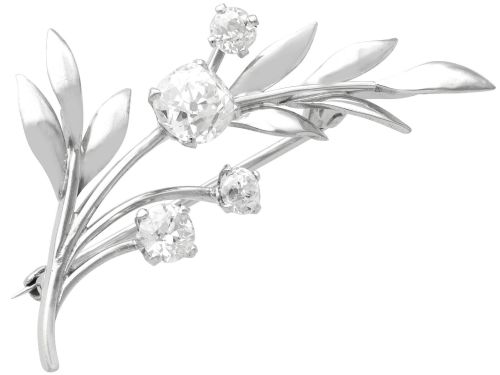
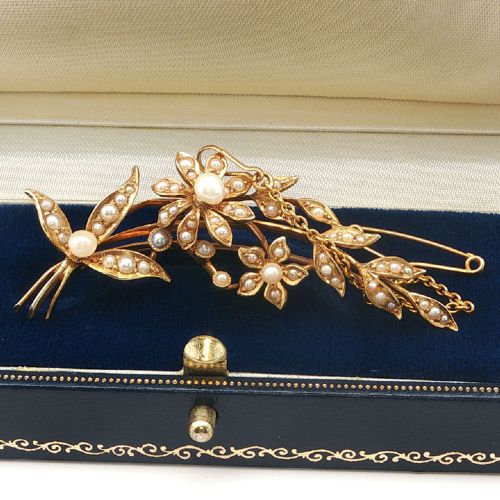
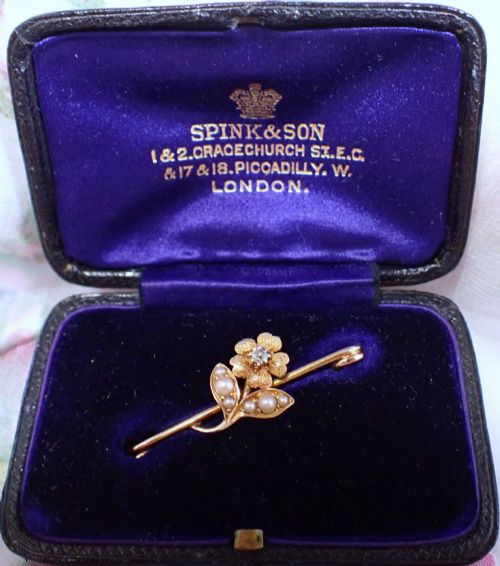
A botanical floral pin usually takes the form of a brooch shaped as a flower spray, single blossom, or leaf, capturing natural subjects in precious metals. When searching for a botanical floral pin, buyers encounter varied expressions from the Victorian, Edwardian, and Art Nouveau eras, alongside mid-century Scandinavian pieces.
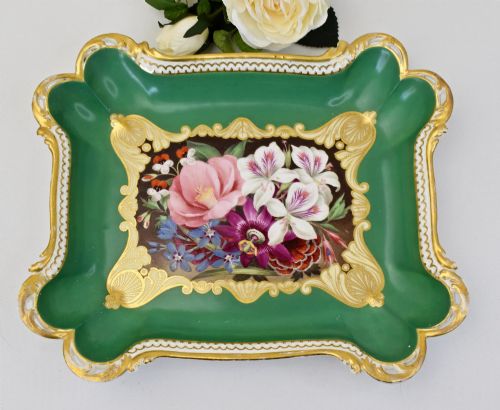
The selection on this page relies heavily on brooches configured as flower sprays or pansies, alongside porcelain plaques and trays with floral decoration. These items range from nineteenth-century gold and pearl configurations to enamel designs from the nineteen-fifties, reflecting changing tastes in botanical illustration.
How they were made
Makers shaped these jewels using fifteen-carat and eighteen-carat gold, silver, and fourteen-carat yellow gold, often mounting precious stones directly onto the metalwork. Techniques such as plique-à-jour enamel allow light to pass through translucent coloured sections, creating vibrant petal effects.
Details like seed pearls and diamonds highlight the centres and tips of petals, secured with fine wirework and claw settings. Porcelain trays incorporate hand-painted ceramic surfaces framed or mounted for display.
What varies in quality
Quality rests in the precision of the metalwork and the delicacy with which natural forms are translated into solid materials. Pieces with hand-applied enamel work, particularly translucent plique-à-jour techniques, demand high skill from the maker and show superior depth of colour.
The integration of gemstones such as diamonds and seed pearls alters the refinement of the piece, as does the condition of delicate enamel leaves and petals. Superior examples maintain intact enamelling and secure stone settings without visible excess solder.
Doe & Rogers
The Botanical Floral Pin Glossary
- Plique-a-jour
- An enamelling technique where enamel is applied in cells without a backing, resembling miniature stained glass. This method allows light to shine directly through the coloured sections.
- Seed pearl
- A very small natural or cultured pearl, often threaded or set in clusters. These tiny pearls frequently represent flower buds in nineteenth-century jewellery.
- Chalcedony
- A cryptocrystalline variety of silica, forming smooth cabochons used in Victorian brooches. It provides a soft, translucent background colour to complement metalwork.
- Pansy
- A common floral motif in Edwardian and Victorian design, often rendered in multi-coloured enamel. The flower's natural asymmetry suited the flowing lines of decorative arts.
- Spray brooch
- A jewellery form arranged to look like a freshly cut cluster of stems, leaves, and blossoms. This layout gives a naturalistic, asymmetrical silhouette.
Botanical Floral Pin: Frequently Asked Questions
What periods do these floral pins cover?
The listings span from the Victorian and Edwardian eras through to mid-century Scandinavian modern design. You will find pieces reflecting nineteenth-century naturalism alongside twentieth-century enamel work.
Each period brought distinct metalworking techniques and stylistic interpretations to plant forms, changing how flowers and leaves were represented.
How are diamonds and pearls used in them?
Diamonds and seed pearls frequently highlight the centres of blossoms or trace the outlines of petals. In many designs, they provide sparkling contrast to coloured enamel or polished gold.
Their placement emphasises the natural symmetry or asymmetry of the specific flower depicted by the jeweller.
What metals appear in these pieces?
Makers utilised silver, fifteen-carat gold, fourteen-carat yellow gold, and eighteen-carat white gold for the structure of these brooches and pins. The choice of metal often aligns with the prevailing fashion of the manufacturing period.
White gold and silver gained popularity in lighter, more delicate Edwardian and later modernist settings, while yellow gold dominated earlier Victorian designs.
How do I care for enamelled botanical pins?
Enamelled pieces require gentle handling because glass-based colour can chip or crack under sharp impacts. Store them separately from harder gemstones that might scratch the delicate surfaces.
Clean them with a soft, dry cloth rather than liquid chemical dips to protect both the metal settings and the enamel work.