
Fine Gold Jewellery
Fine gold jewellery brings together precious metal and gemstones in wearable forms from the Edwardian era through to the mid-twentieth century.
Fine Gold Jewellery
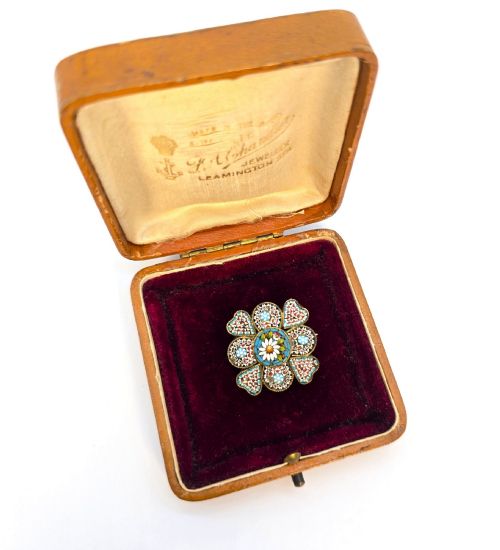
The selection includes items originating from the Edwardian era, 1900, 1950, and 1960. These objects demonstrate the enduring appeal of precious metals combined with coloured stones and diamonds.
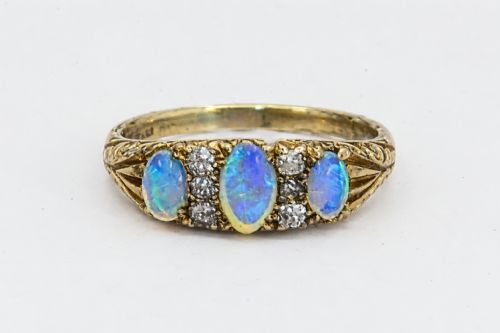
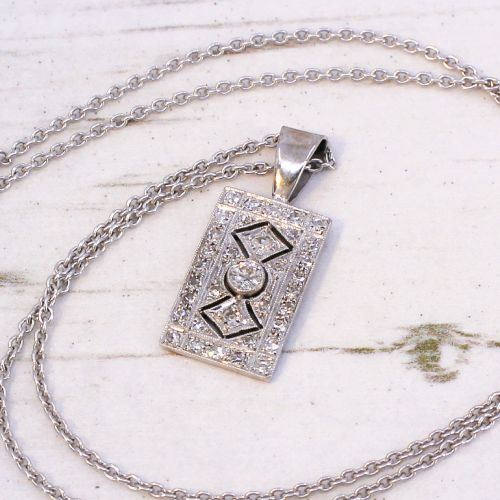
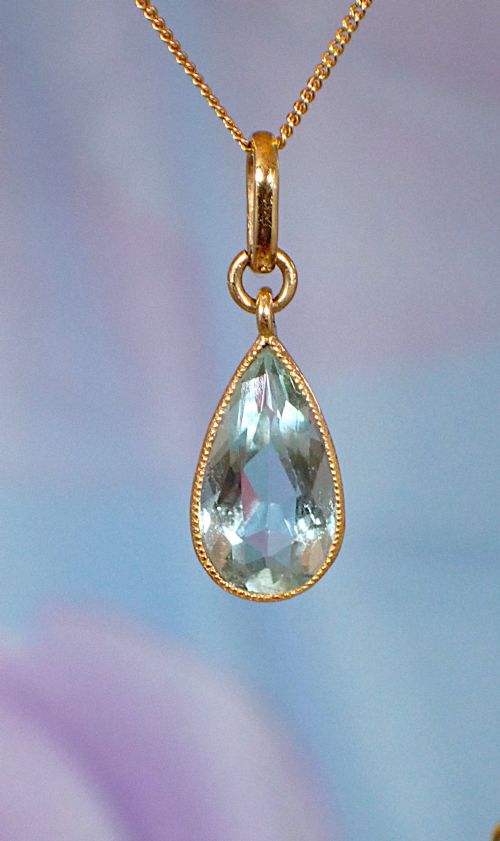
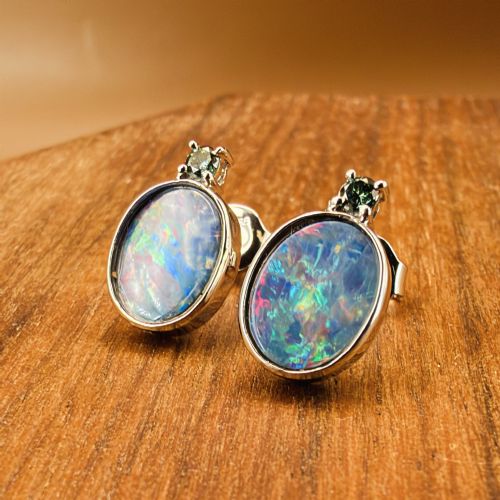
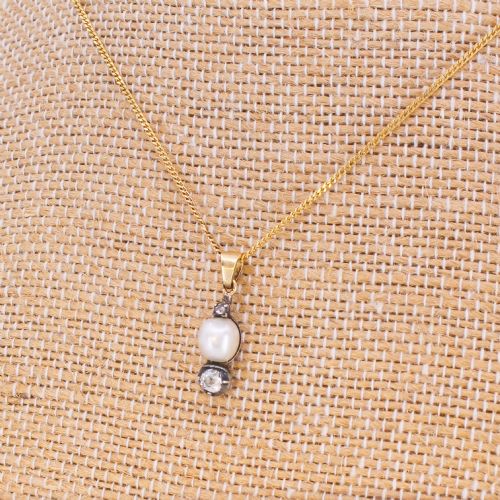
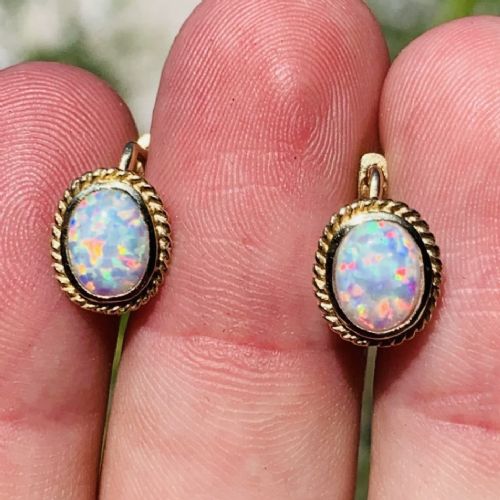
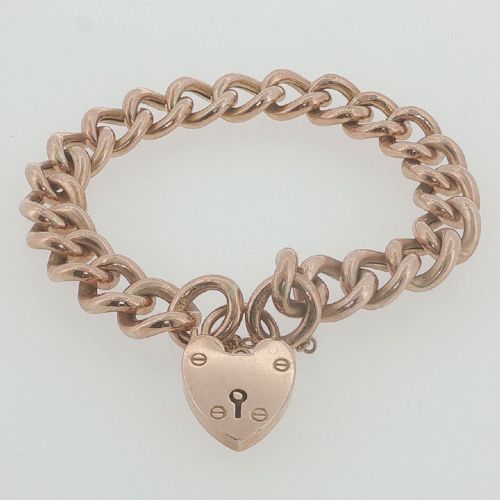
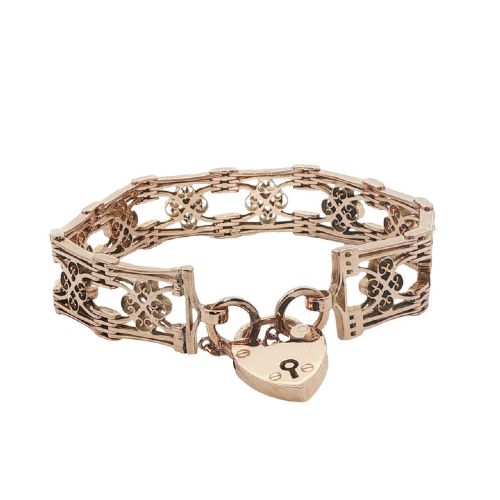
Forms vary from classic cross-over bangles and stone-set bracelets to intricate pendant necklaces and oval cut opal pendants. Each item reflects the craftsmanship and aesthetic preferences of its specific period.
How they were made
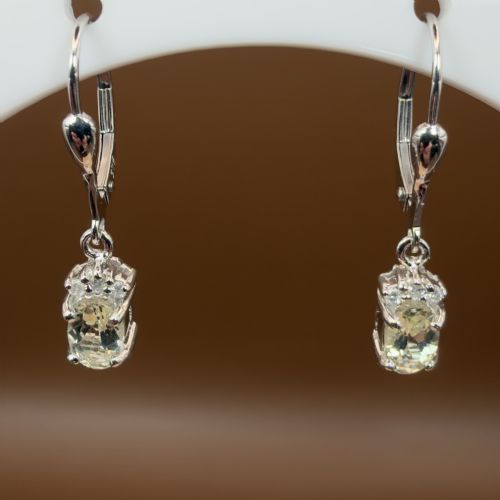
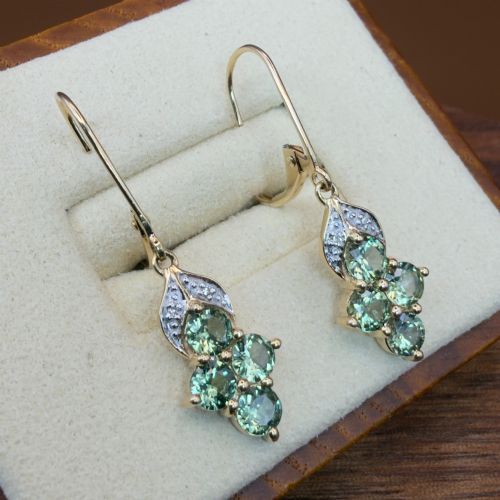
Materials utilised across these pieces include 9ct gold, 18ct gold, 9ct yellow gold, and 18ct white gold as the primary structural metals. Artisans combined these metals with diamonds, amethysts, sapphires, opals, and emerald cut stones.
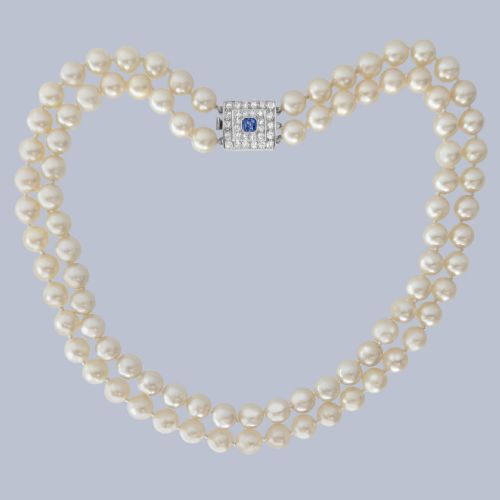
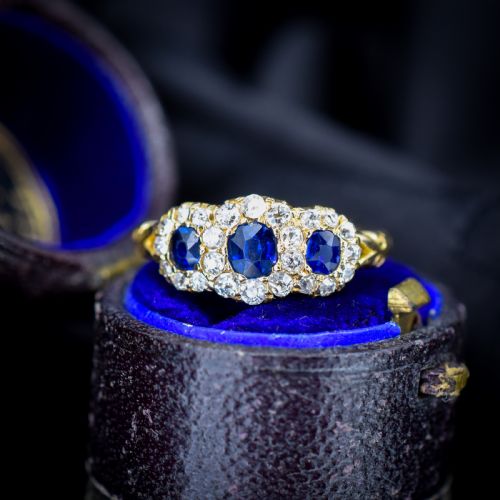
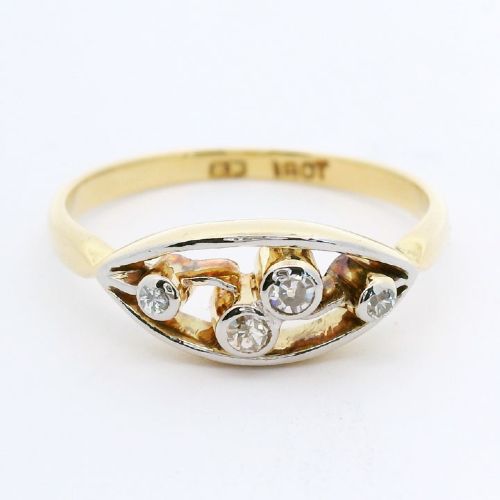
Techniques relied on setting gemstones securely into gold mounts, creating pendant drops, hinged bangles, and linked bracelets. The integration of multiple stones, such as sapphire and diamond combinations, required precise bench work.
Fine Gold Jewellery Retail Price Guide 2026
Typical asking prices for fine gold jewellery among the pieces listed under this phrase on Sellingantiques today, from the lower quarter to the upper quarter. They describe what is for sale here now, not the wider market.
Listings span four distinct periods: Edwardian, 1900, 1950, and 1960.
What varies in quality
Quality differences emerge in the selection and matching of gemstones, such as the depth of colour in amethysts and sapphires alongside the brilliance of set diamonds. The choice between 9ct and 18ct gold alters the weight and richness of the metalwork.
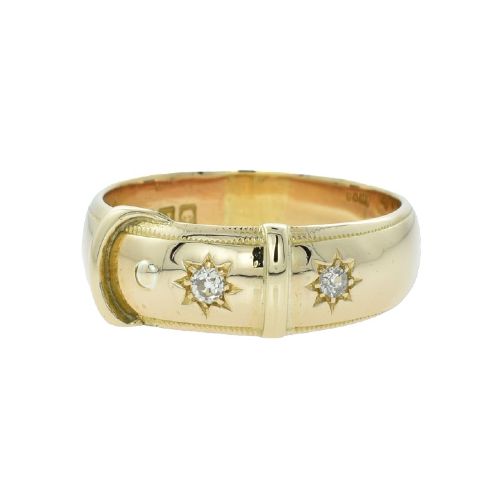
The sophistication of the design, from simple inset stone rings to elaborate fan pendant necklaces, distinguishes standard production from finer examples. Structural integrity in articulated pieces like bracelets and bangles also marks the standard of execution.
The Fine Gold Jewellery Glossary
- 9ct Gold
- An alloy containing a proportion of pure gold mixed with other metals for durability. It provides a lighter yellow tone compared to higher purities.
- 18ct Gold
- A higher purity gold alloy containing a greater percentage of pure gold. This metal offers a richer hue and substantial weight.
- Edwardian
- A stylistic period spanning the early twentieth century. Pieces from this time often feature delicate wirework and refined stone settings.
- Cross-Over Bangle
- A rigid bracelet design where the ends sweep past one another. This form creates dynamic movement across the wrist.
- Pendant Necklace
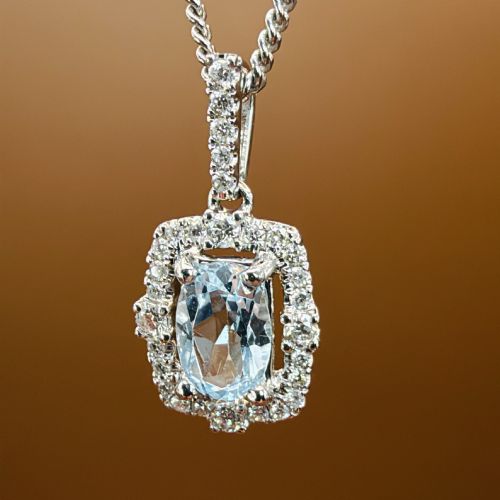
- An ornamental piece suspended from a chain around the neck. It draws the eye to the central gemstone or metalwork.
Fine Gold Jewellery: Frequently Asked Questions
What periods do these pieces span?
The available selection covers the Edwardian era, the year 1900, 1950, and 1960.
These dates show the progression of styles from early twentieth-century work into mid-century fine jewellery.
Which metals are most common?
Listings feature 9ct gold, 18ct gold, 9ct yellow gold, and 18ct white gold.
These various gold purities form the foundation for all rings, bangles, and necklaces in the collection.
What gemstones appear in the jewellery?
Pieces incorporate diamonds, amethysts, sapphires, and opals.
Gemstones are used individually or combined, such as sapphire and diamond pendant necklaces.
How do pendant necklaces differ from simple pendants?
Pendant necklaces include the chain alongside the suspended ornament as an integrated piece.
Standalone pendants focus solely on the hanging component itself.
What makes an emerald cut amethyst distinct?
Emerald cuts feature step-cut facets with cropped corners on a rectangular shape.
This geometry highlights the clarity and deep purple tone of the amethyst.