
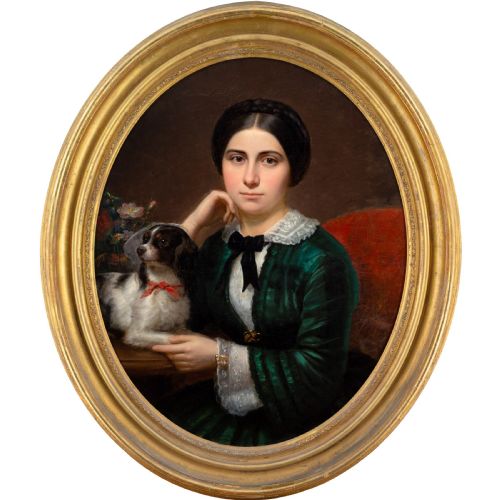
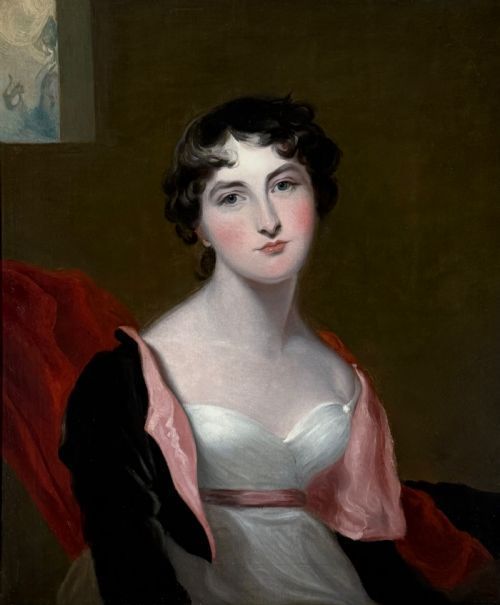
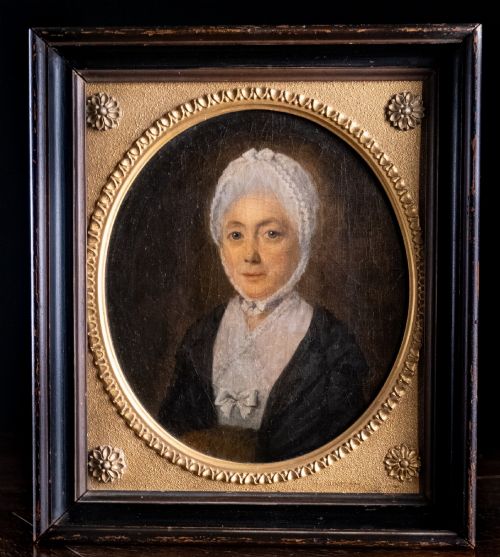
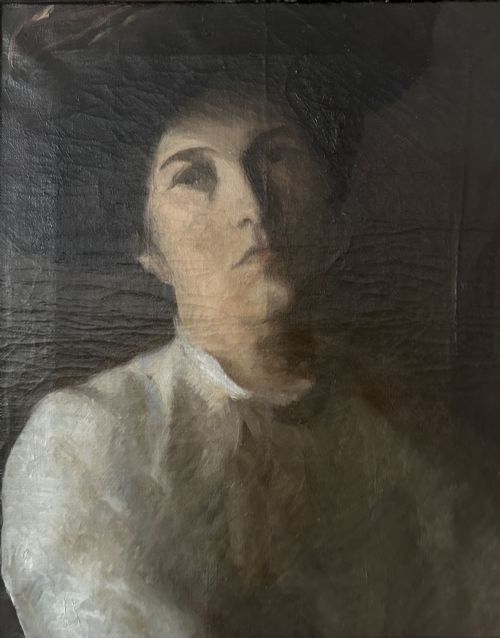
Fine Art Portrait Woman
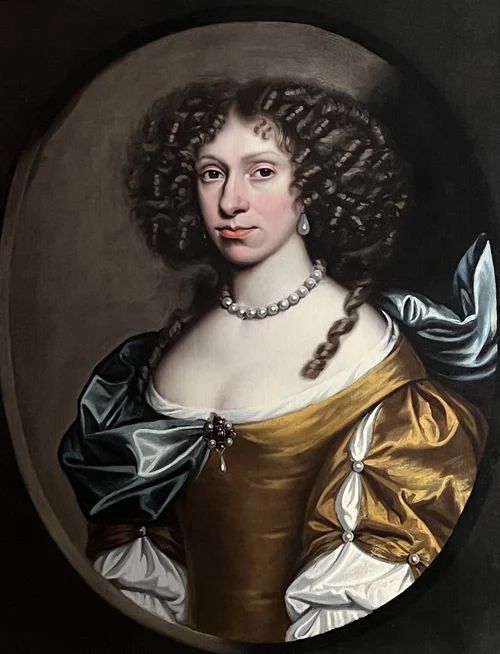
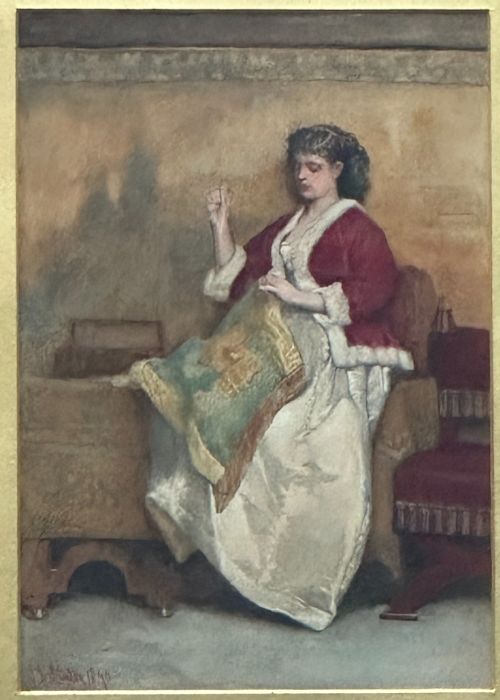
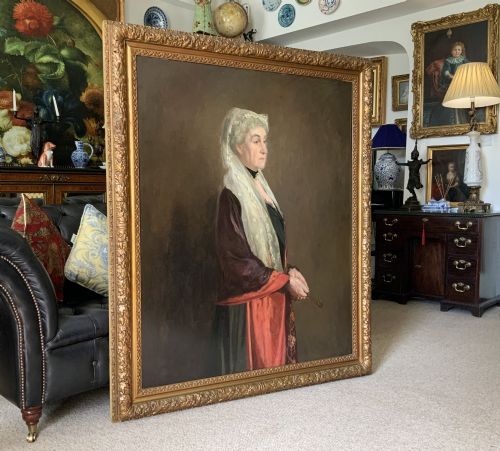
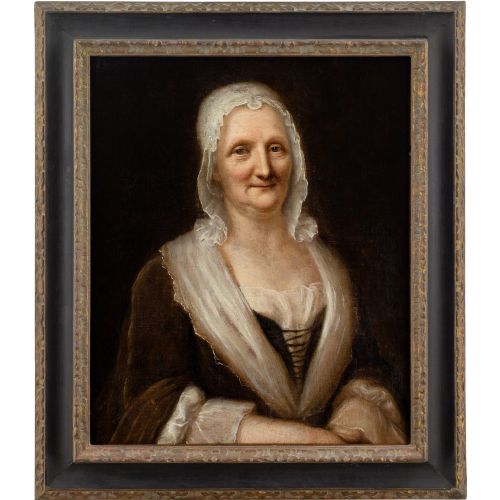
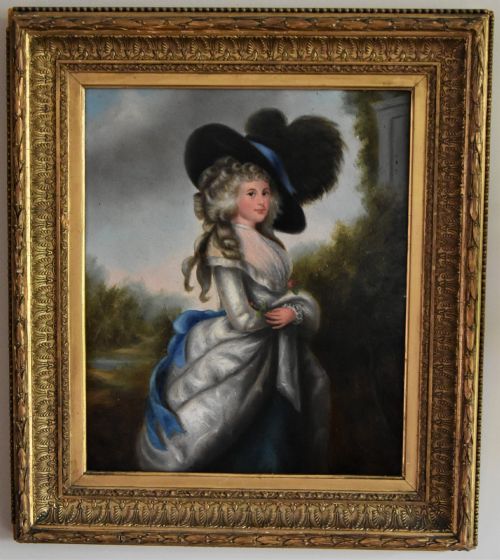
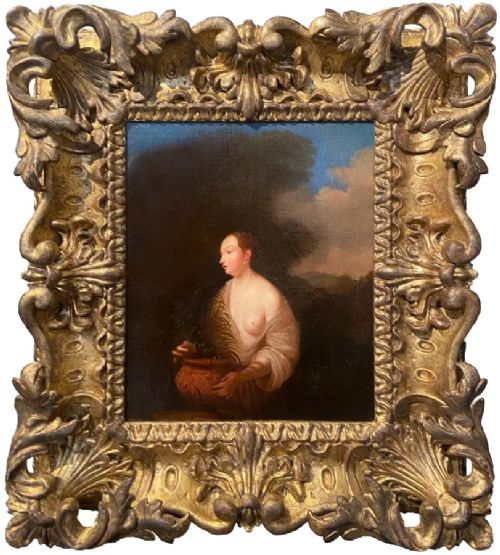
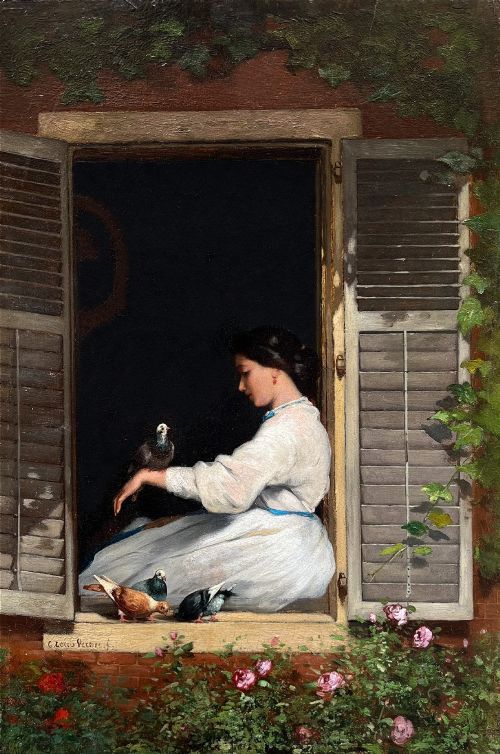
When you search for fine art portrait woman, you are looking at painted likenesses spanning centuries, from modest Victorian panels to grand Georgian canvases.
Fine Art Portrait Woman
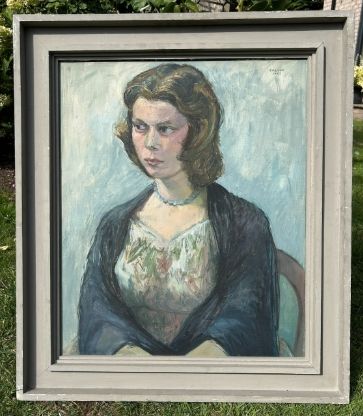
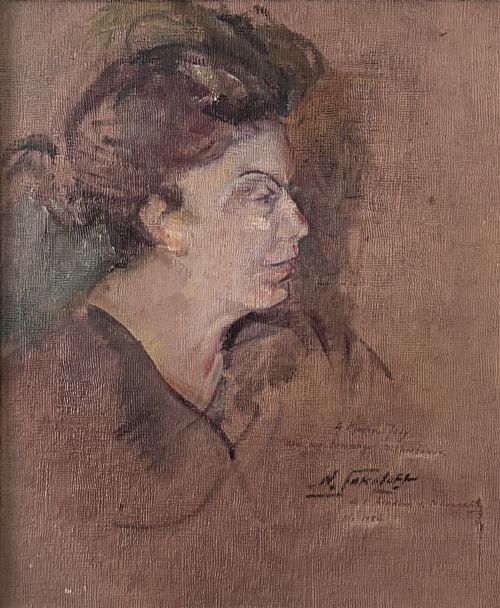
A fine art portrait woman search brings together painted and drawn likenesses of female subjects across several centuries. The selections range from seventeenth-century oil paintings on canvas to mid-twentieth-century works on board and paper.
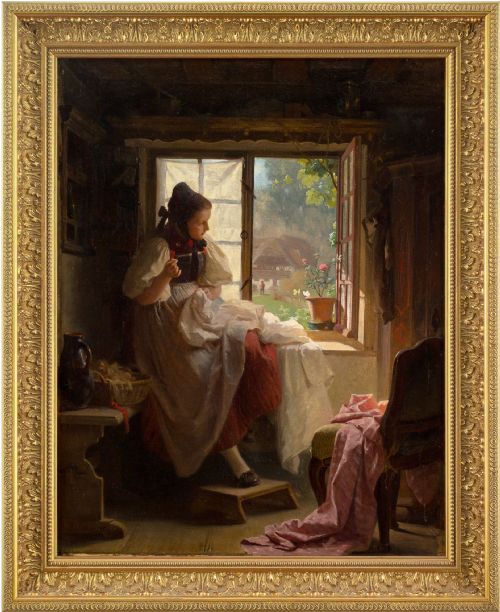
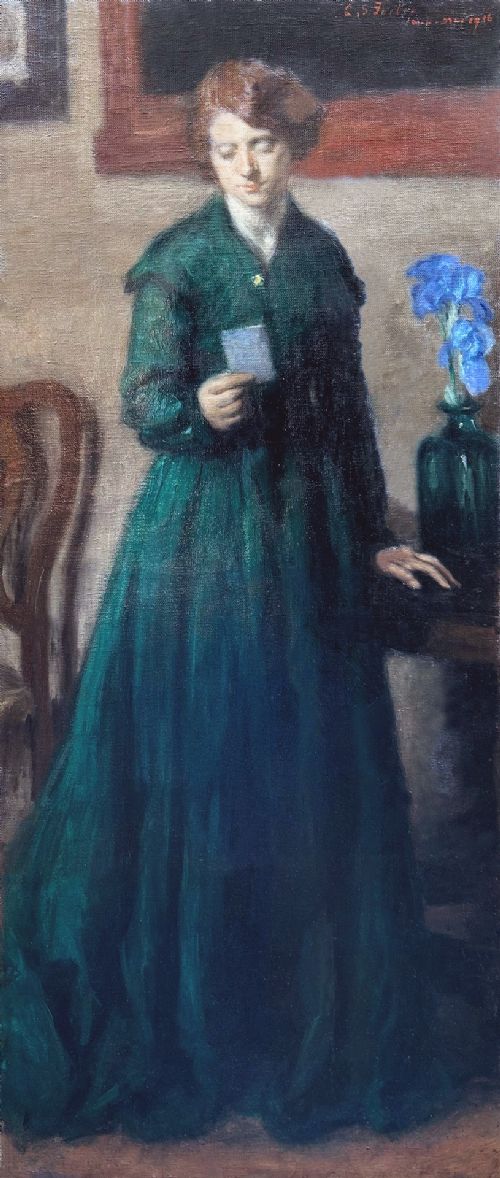
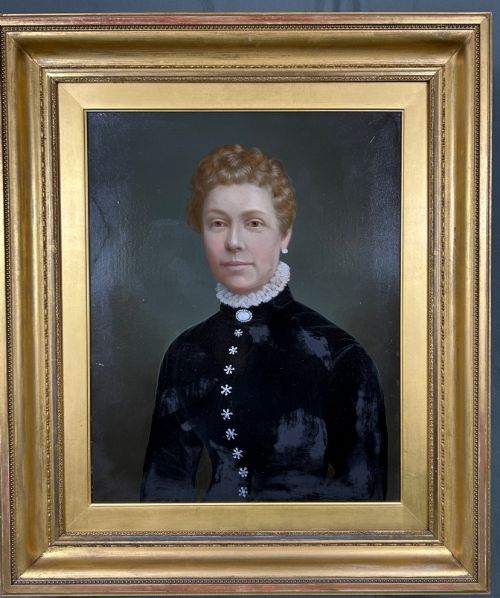
Most examples you encounter on this page are nineteenth-century oil paintings, alongside eighteenth-century aristocratic studies and Edwardian depictions of ladies in hats or by windows. Portrait miniatures and works using pastel or gouache also appear among the selections.
Subjects vary from society figures and elderly women in cottages to young ladies wearing blue necklaces or holding yellow roses. These pieces capture historical dress, domestic quietude, and the shifting techniques of European schools.
Materials and construction
The primary medium recorded in the listings is oil paint applied to canvas or wood board, capturing depth in skin tones and textiles such as velvet and lace. Watercolour, pastel, and gouache appear on paper or board, offering lighter palettes and softer lines.
Support structures include stretched canvas, wooden panels, and heavy paper, often housed within period frames made from giltwood, gesso, or dark ebony. Some works utilise print techniques such as lithograph and pochoir on paper.
Several portraits capture female sitters accompanied by unexpected companions, including dogs, irises, blue necklaces, and yellow roses.
What determines quality
The sophistication of the composition and the preservation of the original paint surface separate standard decorative portraits from pieces by established artists or named studios. Original framing in period giltwood or ebony further influences the standing of a piece.
DAVID SCOUGALL·Sir James Dromgole Linton·Kenneth Cozens·Sir Thomas Lawrence·Toussaint Gelton·Louis Charles Verwee·Charles Stuart Forbes·Charles James McCall·Pablo Picasso·Achille Fould·Percy Lancaster·William Arthur Breakspeare·William Naish·H Bayly·Haynes King·Thomas Edward Roberts·C S Lidderdale·William Henry Knight·Jean Marc Nattier·Louis William Desanges
The Fine Art Portrait Woman Glossary
- Oil on Canvas
- Pigment mixed with drying oil applied to a woven fabric stretched across a wooden frame. This medium allowed artists to achieve rich colour depth and gradual tonal blending.
- Portrait Miniature
- A small, highly detailed painting, often executed on ivory, vellum, or paper during the eighteenth century. These intimate works frequently depicted family members or society figures.
- Giltwood
- Wood carved and coated with gold leaf or a gold-coloured metallic finish. It was commonly utilised for ornate frames during the Baroque, Regency, and Victorian periods.
- Gesso
- A paint mixture consisting of a neutral binder mixed with chalk, pigment, or plaster. It was used as a smooth base on wood panels or frames before gilding or painting.
- Impressionist
- A style characterised by relatively small, thin yet visible brush strokes and open composition. The focus rests on accurate depiction of light in its changing qualities.
Fine Art Portrait Woman: Frequently Asked Questions
How do I date an oil portrait?
Dating relies primarily on the style of dress, hair, and accessories worn by the sitter, combined with the stretcher construction and framing methods. Signatures, inscriptions on the reverse, and canvas stamps also provide specific chronological markers.
Comparison with documented works by the same school or artist helps narrow the decade of creation.
What is the difference between oil on canvas and oil on board?
Oil on canvas involves pigment applied to woven fabric stretched over a wooden frame, which gives a slight give and a textured surface. Oil on board uses a rigid wooden or composition panel as the support, resulting in a completely flat plane.
Board supports were frequently utilised for smaller or more spontaneous studies.
Where should I hang an antique portrait?
Antique portraits suit traditional drawing rooms, studies, and hallways, especially when paired with period furniture and wood panelling. They also create a striking focal point in modern minimalist interiors through historical contrast.
Placement should avoid direct sunlight and damp walls to protect the paint and canvas.