


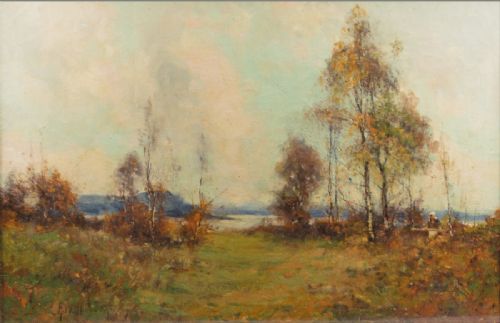


Fine Art Countryside Painting
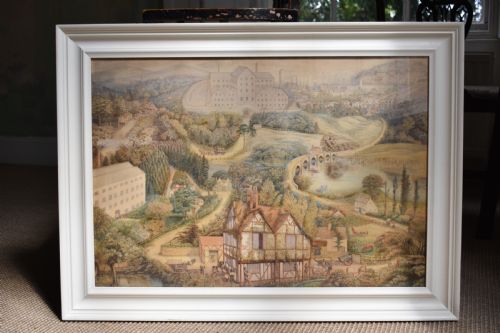
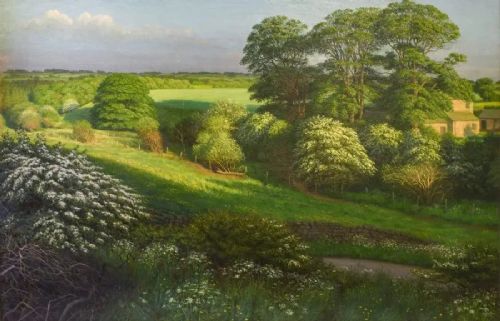
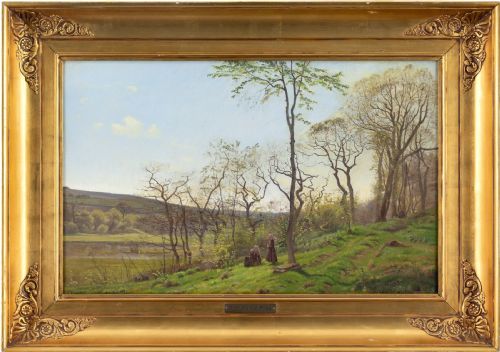
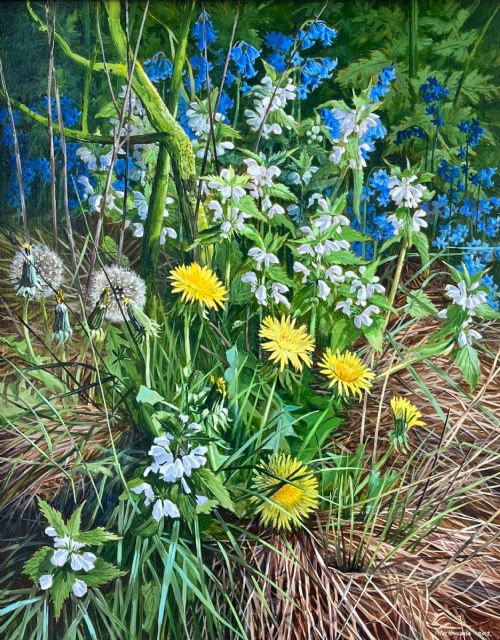
When you search for a fine art countryside painting, you are looking at historical pastoral scenes captured in oil or watercolour across the nineteenth and early twentieth centuries.
Fine Art Countryside Painting
A fine art countryside painting brings rural topography, agricultural life and pastoral scenery onto canvas, paper and wood panels. The pieces on this page span the Victorian era, the Edwardian period and the early twentieth century, taking in British Impressionism, Victorian Naturalism and continental traditions.
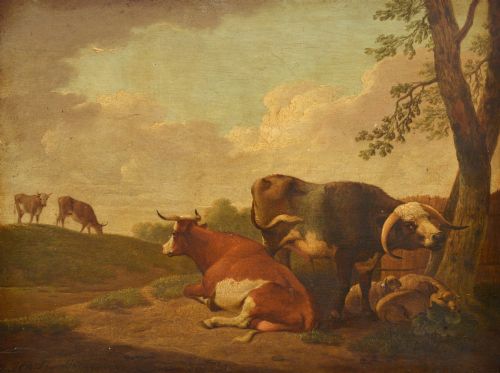
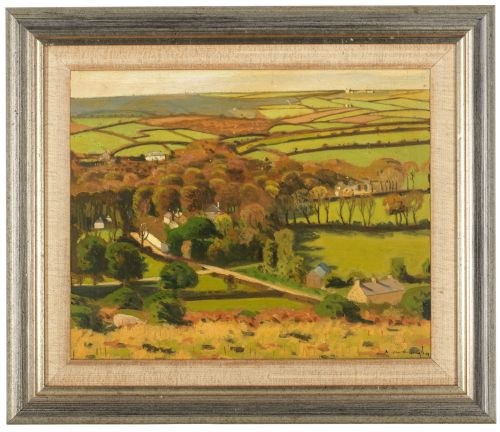
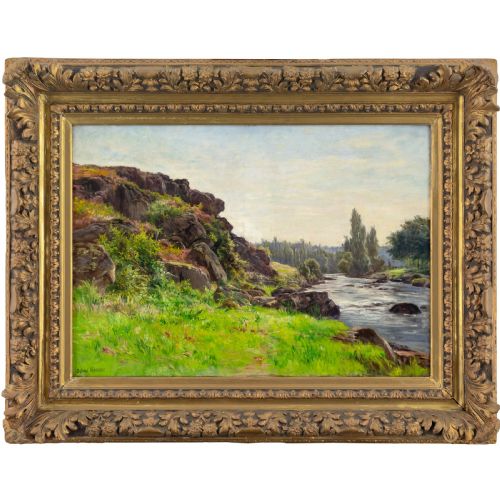
Most examples meet you as framed works depicting river valleys, farmsteads, livestock and woodland paths. Painters captured these rural vistas across England, Wales, Scotland and northern Europe during periods of industrial change.
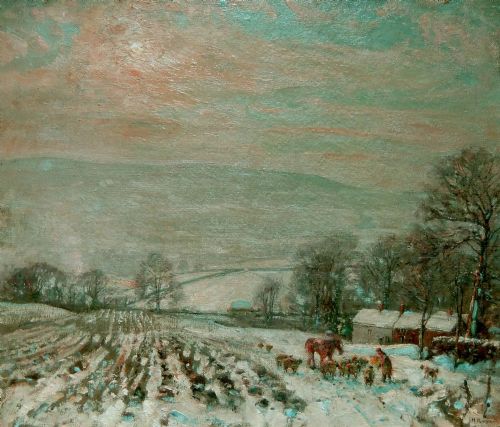
You will encounter works by named professional artists alongside accomplished regional views from the nineteenth and twentieth centuries. The subjects range from quiet winter feedings to sunlit hay fields and river walks.
How they were made
The physical build of these works relies principally on oil paint or watercolour applied to stretched canvas, wood or heavy paper. Canvases are typically mounted on wooden stretchers and housed in period frames constructed from giltwood and gesso.
Painters built their compositions using layered oil pigments for depth and luminosity, or fluid watercolours that captured the light of day. Gilded framing completed the works, protecting the edges and setting off the rural palettes.
Materials recorded across these listings include canvas, oil paint, wood, paper, giltwood, gesso and glass.
What varies in quality
Quality rests upon the artist's command of light, atmosphere and perspective within the rural topography. Stronger works demonstrate confident brushwork and precise handling of foliage, water and sky, whereas lesser pieces rely on formulaic composition.
The preservation of the original paint surface and the integrity of the canvas or paper dictate the standing of a piece. Original giltwood frames matching the period of the painting elevate the overall integrity of the object.
George Graham·Frederick Marriott·Hendrik Willem Schweickhardt·Herbert Royle·Robert Morson Hughes·Gabriel Mathieu·Harald Foss·Peter Newcombe·Alexander Wellwood Rattray·Edgar Woollatt·Charles Gregory·John Sanderson Wells·Reginald Grange Brundrit·Arthur Tucker·Owen Bowen·Thomas Spinks·Johannes Philippus Galjaard·Giulio Cecchini·William Greaves·Charles Vickers·Robert Finley McIntyre·James de Rijk·Robert Winchester Fraser·James William Booth·Benjamin Williams Leader
The Fine Art Countryside Painting Glossary
- Giltwood
- Wood carved and coated with gold leaf or a gold-coloured metallic finish used extensively for nineteenth-century picture frames.
- Gesso
- A plaster-like mixture applied to wooden frames as a smooth base before gilding or painting.
- British Impressionism
- A painting style influenced by French movements focusing on loose brushwork and natural light, prominent in late nineteenth and early twentieth-century British art.
- Victorian Naturalism
- An art movement depicting rural life and landscapes with close observation of nature and everyday detail.
- Watercolour
- A painting method where fine pigment is suspended in a water-soluble binder and applied to paper.
Fine Art Countryside Painting: Frequently Asked Questions
What periods do these countryside paintings cover?
The works span from the eighteenth century through the Victorian and Edwardian eras up to the mid-twentieth century. Most examples cluster in the nineteenth and early twentieth centuries.
You will find specific dated works from practitioners working across the 1870s, 1890s, 1900s, 1910s and 1930s.
How were these paintings displayed originally?
These works were framed in decorative timber mouldings, often finished with giltwood and gesso to catch the light in domestic interiors. They hung in country houses, urban parlours and drawing rooms.
Many retain their original period frames, which contribute significantly to the historical context of the artwork.
How do I care for an antique oil painting?
Keep oil paintings out of direct sunlight and away from rapid changes in temperature and humidity to protect the canvas and paint layers. Dust the surface gently with a soft, dry brush without using liquid cleaners.
Ensure the painting hangs securely from appropriate picture wire attached to the wooden stretcher or frame.
What subjects are most common in these landscapes?
Common motifs include river views, agricultural harvest fields, farmsteads, livestock grazing and pastoral paths through woodland or hills. Artists frequently recorded local Welsh, Yorkshire and southern English topography.
Some works incorporate genre scenes with figures gathering crops, fishing or travelling along rural tracks.