
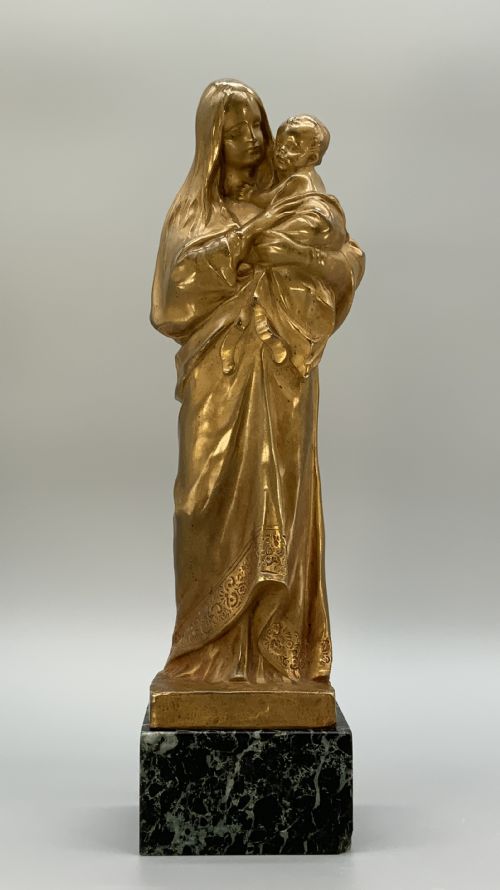

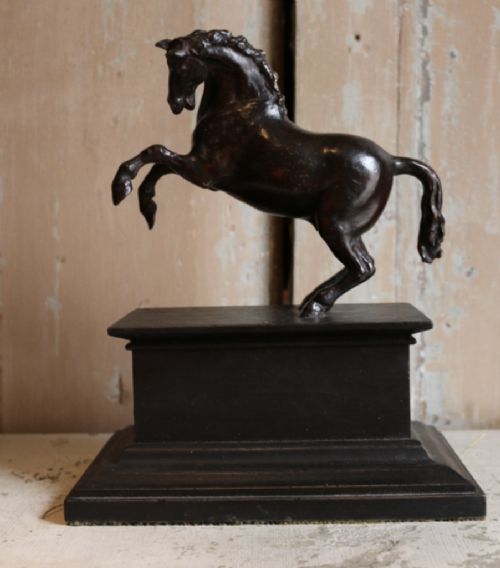


Fine Art Bronze Statue
A fine art bronze statue brings substantial presence to a room, offering tactile weight and lasting detail across centuries of foundry work.
Fine Art Bronze Statue
A fine art bronze statue encompasses cast metal sculptures, figures, and busts produced across diverse periods and regional traditions. When buyers search for a fine art bronze statue, they encounter works ranging from classical European figures to Asian Buddhist bronzes. The selection here spans multiple centuries, offering distinct regional aesthetics and sculptural forms.
European examples on this page draw heavily from nineteenth-century classical, Art Nouveau, and Art Deco traditions, featuring human subjects and historical studies. Alongside these European works appear sacred figures such as crowned and seated Buddhas originating from earlier Asian periods. Each piece reflects the specific sculptural conventions and aesthetic priorities of its time of origin.
How they were made
These statues utilise cast bronze, sometimes enhanced with gilt, brass, or patinated finishes to alter the surface texture and colour. Foundries applied chemical patination or surface gilding to achieve particular tonal depths on the metal. Many examples incorporate secondary structural or decorative elements composed of marble, wood, or onyx to support or frame the primary cast.
Sculptors utilised traditional lost-wax or sand-casting methods to capture intricate anatomical details and drapery in the molten metal. Finishing work involved chasing, filing, and polishing the bronze surface by hand before applying the final patination. Signatures and foundry marks were frequently incised directly into the metal during the final stages of production.
Materials paired with bronze across these pieces include marble, wood, onyx, and gilt.
What varies in quality
The integration of the bronze figure with its supporting base, whether carved marble or polished wood, demonstrates the overall standard of craftsmanship. Works bearing the signature of a documented artist or a recognised foundry carry distinct material and historical weight. The complexity of the pose and the balance of the composition also determine the standing of an individual sculpture.
Hans Müller·Julien Lorieux·Sir Thomas Brock·Carl Kauba·Charles Anfrie·Louis Ernest Barrias
The Fine Art Bronze Statue Glossary
- Patination
- The surface coloration and finish applied to bronze through chemical means or natural ageing. This process enhances the visual depth and protects the metal beneath.
- Gilt bronze
- Bronze that has been coated with a thin layer of gold or gold leaf to provide a brilliant metallic surface. It is frequently seen on decorative and religious figures.
- Lost-wax casting
- A historic method where a molten metal is poured into a mould created by melting away a wax model. This technique allows for complex, undercut forms and fine detail.
- Chasing
- The manual refinement of a raw metal casting using hammers and punches to sharpen details and remove surface flaws. It represents a vital stage in finishing fine sculptures.
- Ayutthaya Period
- An era in Thai history spanning several centuries associated with distinct Buddhist art traditions. Bronzes from this period often display specific regional iconography and patination.
Fine Art Bronze Statue: Frequently Asked Questions
What does patinated bronze mean?
Patinated bronze refers to metal that has undergone a chemical or thermal treatment to alter its surface colour. These finishes range from warm browns and deep blacks to rich greens.
The patination develops naturally over decades or is applied deliberately by the artist or foundry during creation. It serves both to protect the underlying metal and to define the sculptural contours.
How can I date an old bronze?
Dating relies on examining the casting technique, the style of the base, and any artist signatures or foundry stamps present on the piece. Nineteenth-century works often bear distinct maker marks and utilise specific casting methods characteristic of European foundries.
Comparison with documented examples by the same artist helps narrow down the period of production. Material analysis of the alloy and the nature of the patination offer further clues to age.
Where should I display a bronze figure?
Place the sculpture on a stable, level surface away from direct sunlight and sources of extreme heat or humidity. Heavy stone or wood plinths provide adequate physical support for the substantial weight of the metal.
Ensure the display area allows for safe viewing from multiple angles, particularly for works with intricate three-dimensional compositions. Good ambient lighting helps highlight the subtle tones of the patination.