
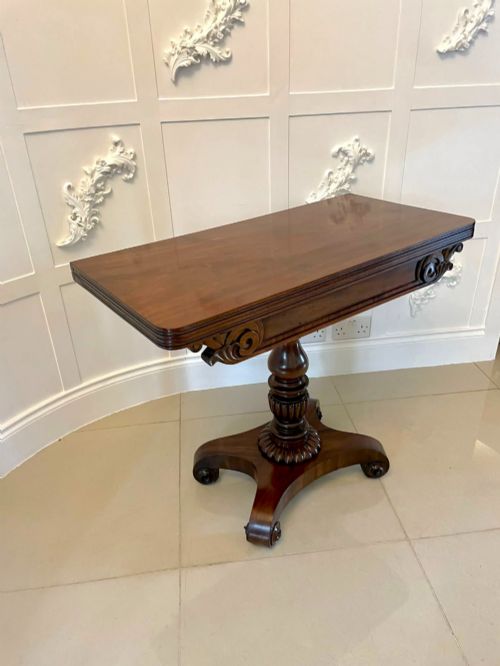
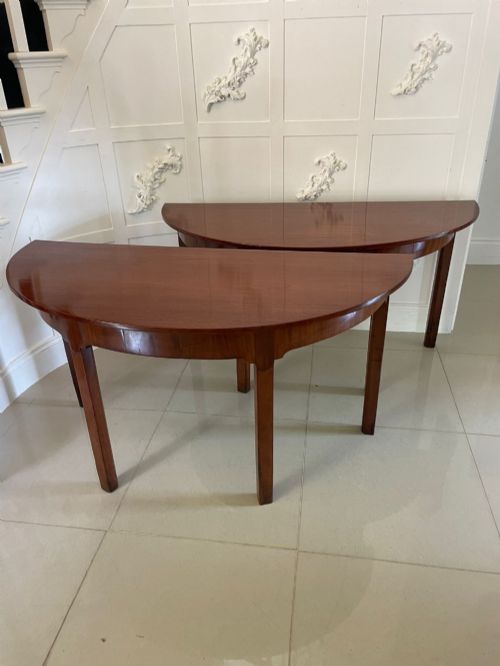
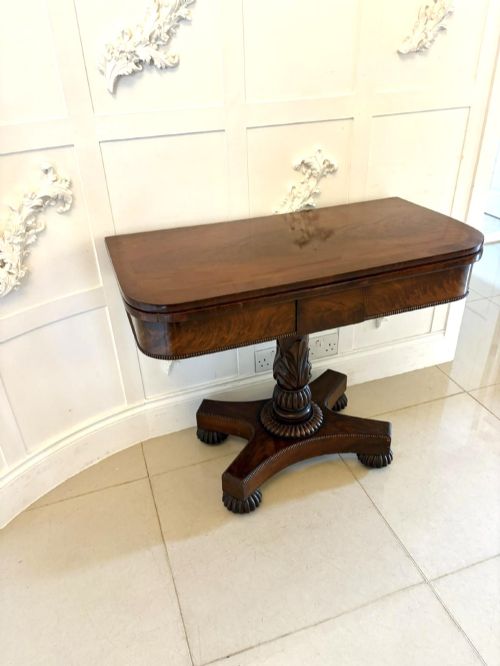
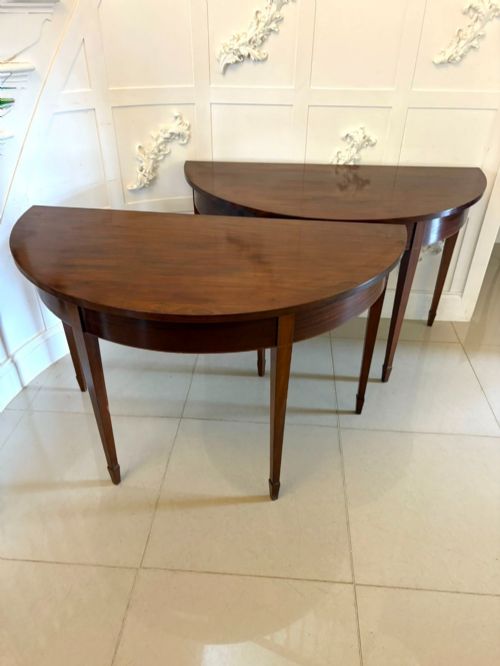
Figured Wood Table
A figured wood table brings natural grain patterns into a room, offering surfaces shaped in mahogany, walnut, and satin birch across centuries of design.
Figured Wood Table
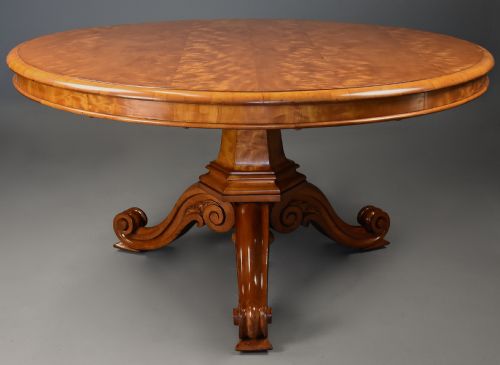
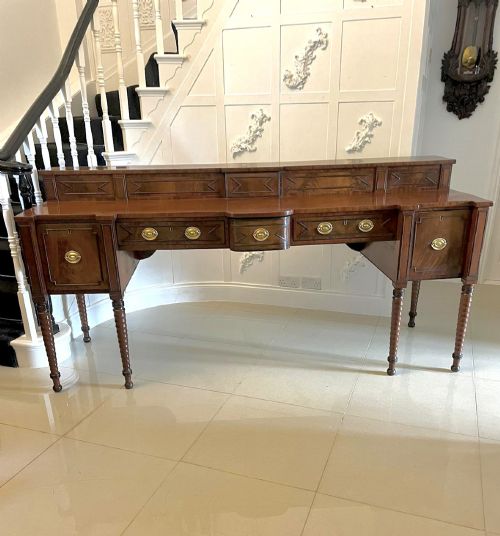
A figured wood table showcases timber selected for striking grain formations such as curls, flames, and burrs. Buyers searching for a figured wood table encounter forms ranging from large dining surfaces to compact console and coffee tables.
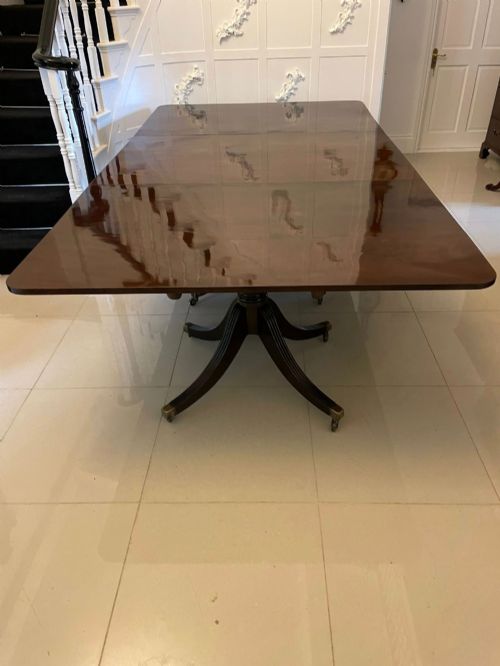
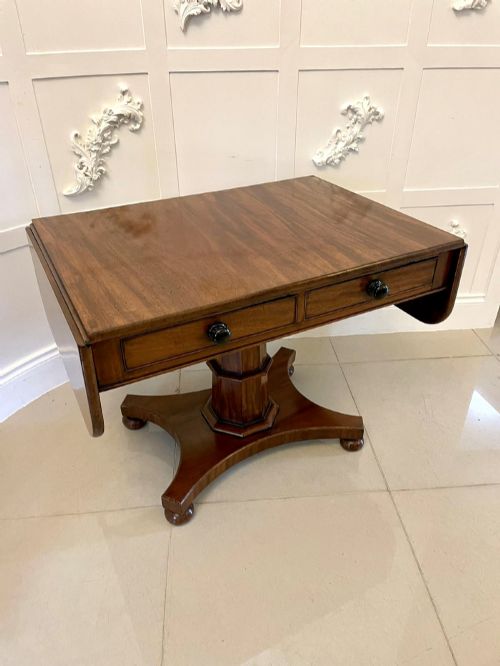
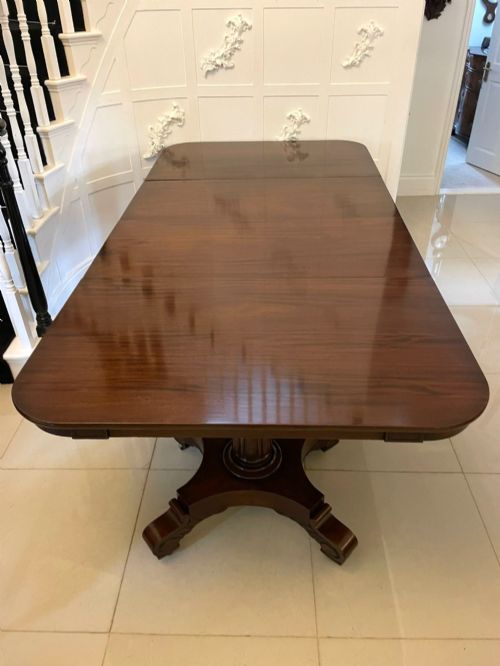
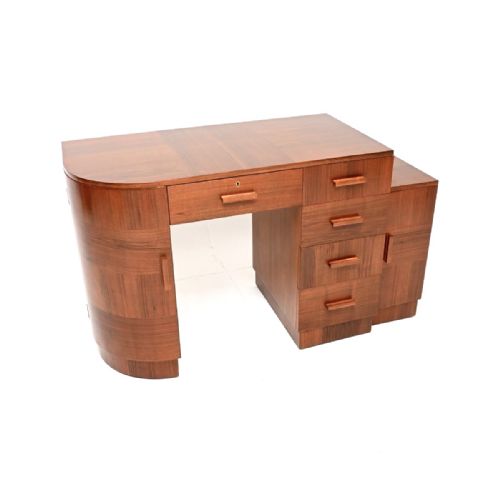
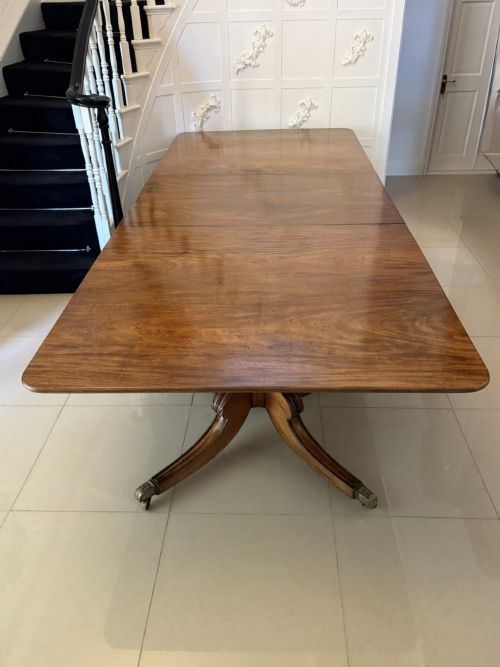
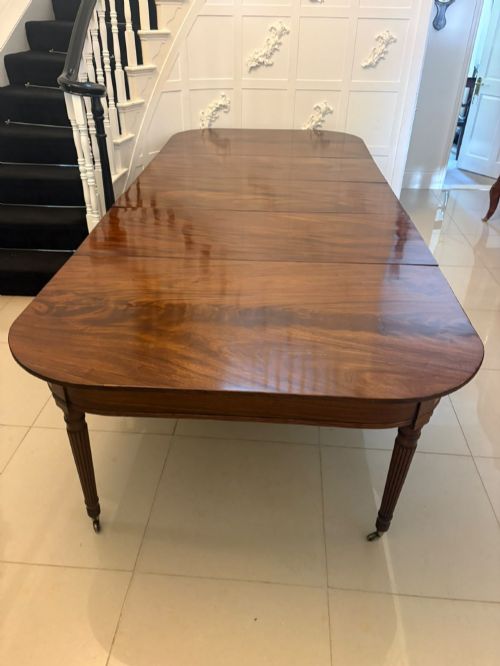
The selection on this page leans heavily toward nineteenth-century mahogany dining furniture and twentieth-century walnut occasional pieces. Georgian and Regency pedestal tables sit alongside Art Deco side tables and desks.
Makers utilised distinct regional timbers, producing British mahogany dining pieces alongside continental walnut designs and lighter satin birch breakfast tables. Each era applied its own proportion and support structure to the figured top.
What varies in quality
Quality rests in the intensity and symmetry of the wood grain across the primary surface. Master craftsmen selected cuts that mirrored each other precisely, whereas standard pieces display disjointed grain patterns.
Construction methods also separate tiers of execution, seen in the weight of pedestal bases, the precision of brass inlay work, and the stability of extension mechanisms on large dining tables.
The inventory records figured wood tables spanning the eighteenth, nineteenth, and twentieth centuries, constructed primarily in mahogany and walnut.
Druce and Co·Ralph Wood
The Figured Wood Table Glossary
- Figured wood
- Timber featuring irregular or decorative grain patterns caused by twists in growth. These variations create flame, curl, or ripple effects across the tabletop.
- Burr walnut
- A prized veneer taken from the growth excrescence on a walnut tree. It produces a dense pattern of swirling eyes and intricate dark clusters.
- Pedestal table
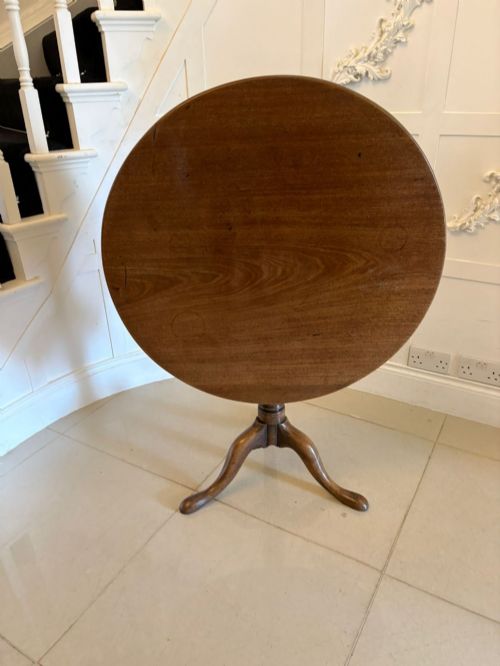
- A table supported by a central column or pillars rather than four corner legs. This form allows maximum legroom around dining chairs.
- Tilt top
- A tabletop hinged to tilt vertically when not in use. This mechanism allowed tables to stand flat against walls in smaller rooms.
- Reeded legs
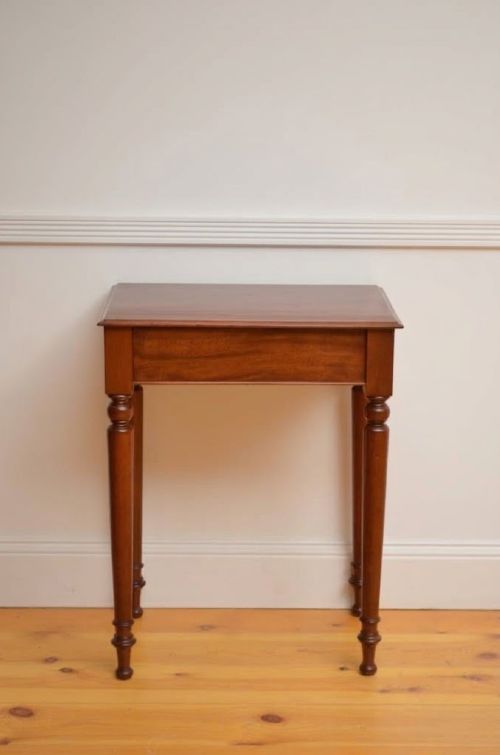
- Cylindrical table legs carved with parallel convex mouldings running vertically. This decorative treatment appears frequently on Regency furniture.
Figured Wood Table: Frequently Asked Questions
How do I clean a figured wood table?
Dust regularly with a dry, soft cloth to prevent particle buildup on the polished grain. Avoid silicone sprays and excessive moisture, applying a traditional beeswax polish sparingly to maintain the timber lustre.
Keep the table away from direct sunlight and heat sources to prevent the wood from drying out or warping. Consistent indoor humidity preserves both the veneer and the underlying structure.
Can I use a antique console table for dining?
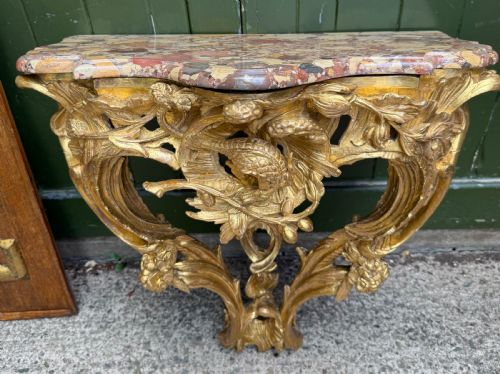
Most antique console tables are built with narrow proportions or demi-lune shapes intended for hallway or wall placement. Using them for seating requires checking the height clearance and depth against standard chairs.
Extendable dining versions designed for multi-person seating appear elsewhere in the listings. Standard console tables lack the surface area required for comfortable dining setups.
How do I identify a Regency table?
Regency tables display classical proportions influenced by Greek and Roman design, typically featuring dark mahogany veneers, brass inlays, and robust pillar supports. Look for reeded legs and brass paw feet.
Construction from the early nineteenth century often includes heavy mahogany framing and subtle carved details rather than heavy ornamentation. The emphasis remains on clean architectural lines and figured grain.
What is a tilt top table used for?
Tilt top tables functioned as versatile furniture that could serve as lamp tables or occasional surfaces during evenings. When tipped upright, the top saved floor space in smaller rooms.
Mechanisms from the eighteenth and nineteenth centuries lock the surface securely in the horizontal position for daily use. The hinge allows collectors to inspect the underside construction and timber quality easily.