


Figured Wood Desk
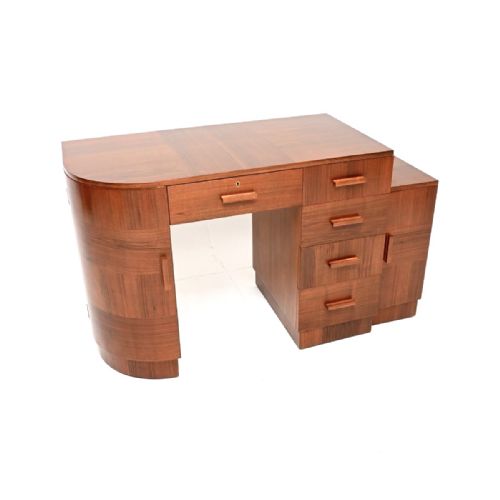
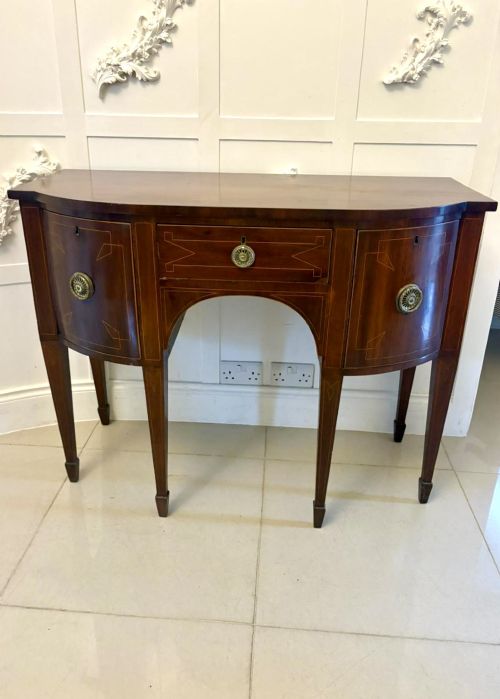
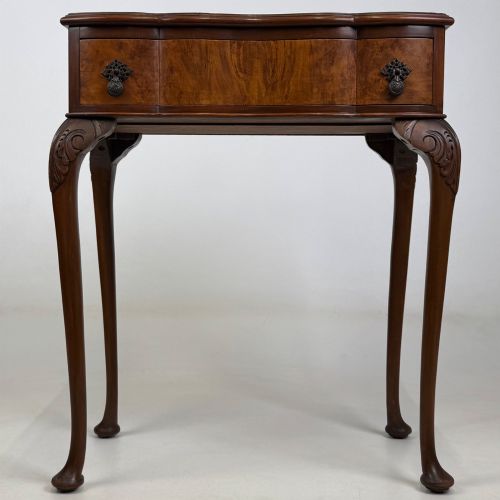
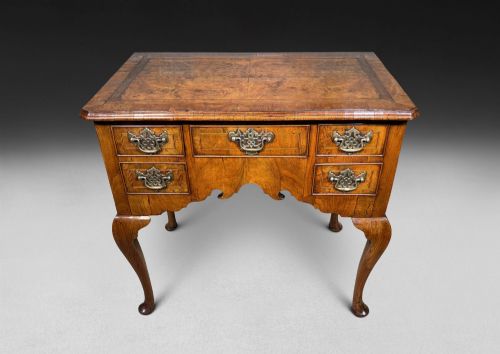
A figured wood desk brings rich grain and practical workspace into a room, spanning periods from George I walnut to Art Deco walnut.
Figured Wood Desk
A figured wood desk relies on timber selected for grain pattern rather than plain surface, appearing across centuries in forms such as writing tables, bureaus, and secretaire bookcases. The materials span walnut, mahogany, rosewood, elm, and yew, showing the natural movement of the grain.
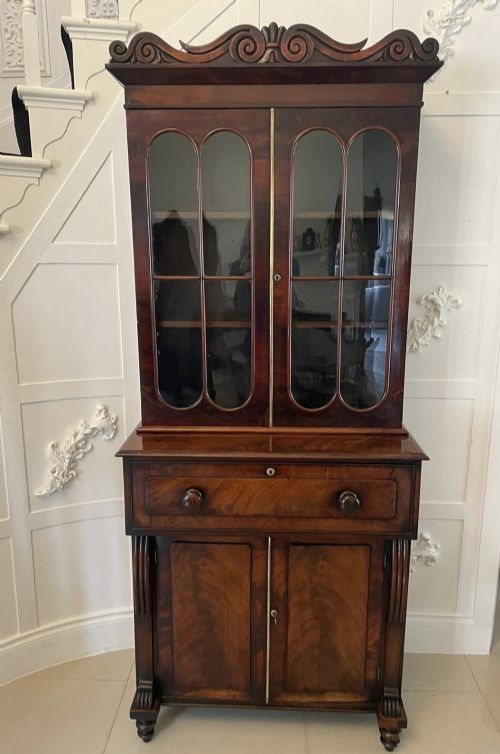
The version most likely to meet a buyer on this page is a mahogany or walnut piece from the Georgian, Victorian, or Art Deco periods. These examples combine writing surfaces with drawers or shelved superstructures, utilising the decorative properties of the wood across the top and drawer fronts.
Assessing Quality
Quality rests in the choice of timber and the harmony of the grain across the entire surface rather than isolated decorative flourishes. Desks with continuous figuring across drawer fronts and matched panels stand apart from pieces with disparate timber selections.
Construction integrity and period-correct secondary woods separate standard production from superior examples. The execution of the writing surface, whether fitted leather or polished timber, indicates the original grade of the piece.
Figured Wood Desk Retail Price Guide 2026
Typical asking prices for figured wood desk among the pieces listed under this phrase on Sellingantiques today, from the lower quarter to the upper quarter. They describe what is for sale here now, not the wider market.
Listings for figured wood desks span the 18th, 19th, and 20th centuries, recording mahogany, walnut, elm, and yew across multiple design periods.
Maurice Adams
The Figured Wood Desk Glossary
- Figure
- The pattern produced in a wooden surface by irregularities in the growth of the tree, such as curls, waves, or burrs. This pattern defines the visual appeal of the timber.
- Bureau
- A sloping writing cabinet with internal drawers and pigeonholes, often resting on a base of drawers. Early examples frequently employ figured walnut.
- Secretaire Bookcase
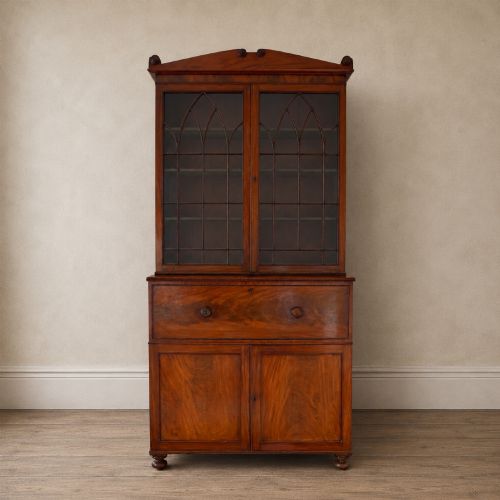
- A tall piece combining a shelved upper cabinet with a lower section containing a pull-down writing drawer. These often display large expanses of figured mahogany.
- Writing Table
- A freestanding table designed for correspondence, featuring one or more drawers beneath the top. Fine examples utilise rosewood or mahogany with finished backs for placement in the centre of a room.
Figured Wood Desk: Frequently Asked Questions
What periods do these desks cover?
The pieces span the 18th century through the Art Deco era of the 1930s. Examples include George I, George III, Victorian, and Edwardian styles.
Each period brings distinct proportions and timber treatments, from walnut bureaus to mahogany library desks.
How do I identify a secretaire bookcase?
A secretaire bookcase combines a bookcase top with a fitted writing drawer that drops open to reveal small compartments. They emerged in the 18th century and continued through the 19th century in figured mahogany.
The drop-front conceals the writing surface while maintaining the external appearance of a standard chest or bookcase.
What woods were used for these desks?
Makers relied primarily on mahogany and walnut, alongside elm, yew, and rosewood. Timber was chosen for its natural grain pattern and ability to take a high polish.
Figured sections, including burr walnut and flame mahogany, were reserved for primary display surfaces.
How do I care for a antique wood desk?
Antique wood surfaces benefit from stable room humidity and protection from direct sunlight to prevent timber movement or fading. Regular dusting with a dry cloth maintains the finish without moisture buildup.
Wax polishing should be applied sparingly, using traditional formulations suited to historic wood finishes.