

Figured Walnut Wood
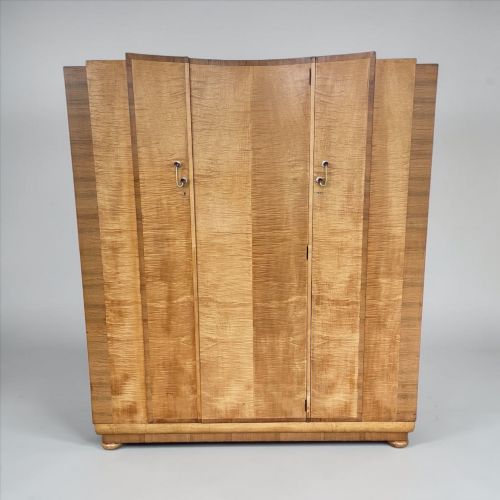
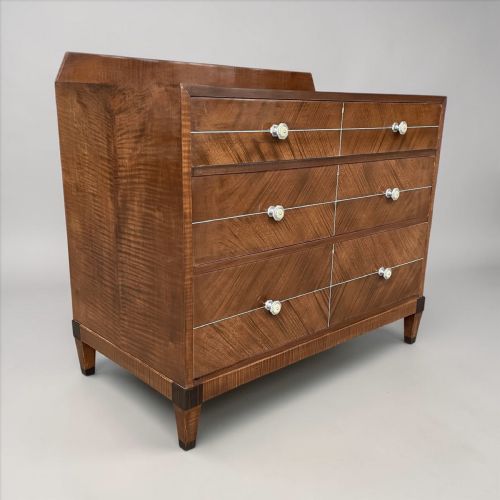
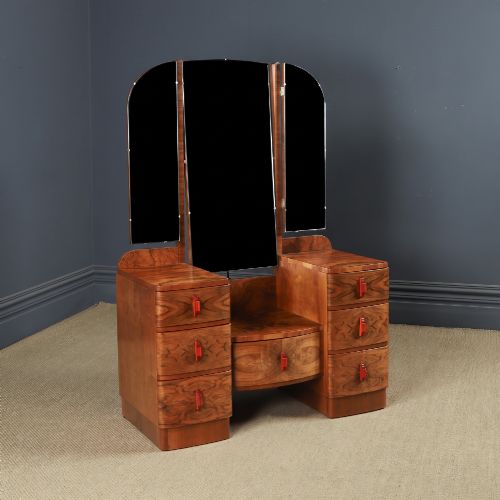
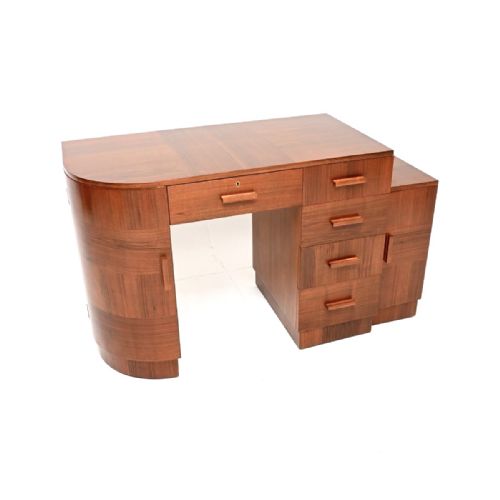
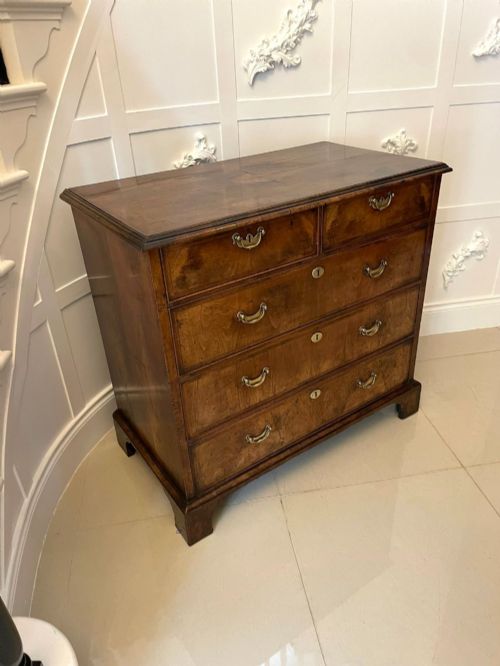
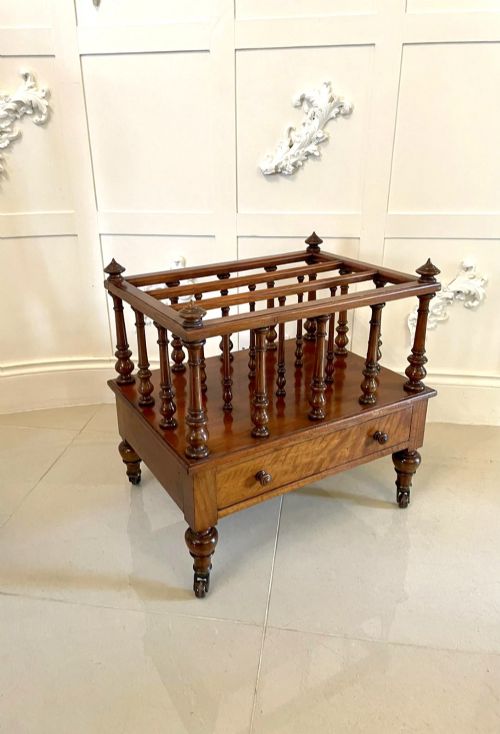
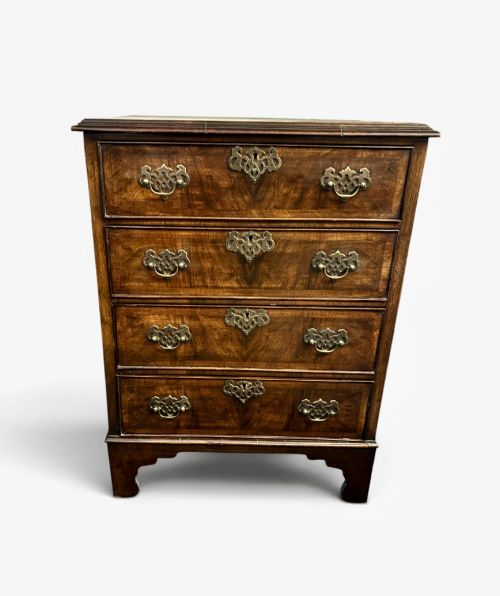
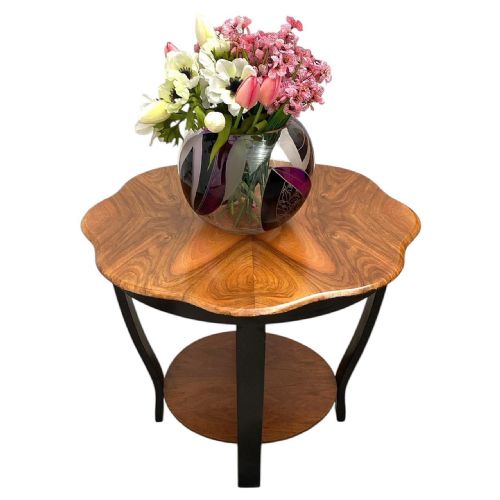
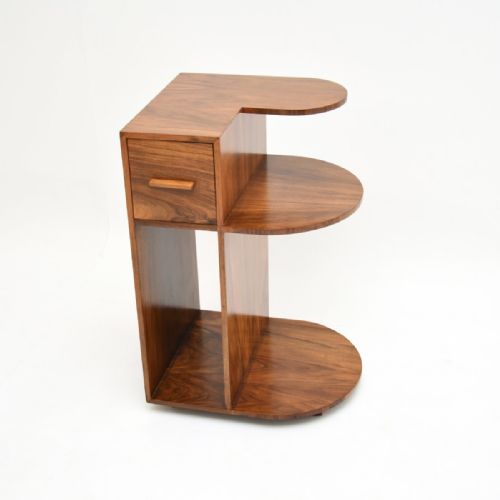
Figured walnut wood timber surfaces display swirling grain patterns that define distinctive antique chests, tables and cabinets.
Figured Walnut Wood
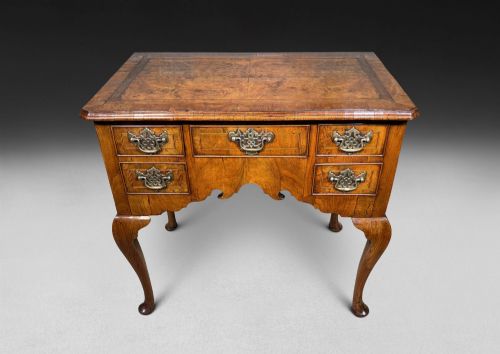
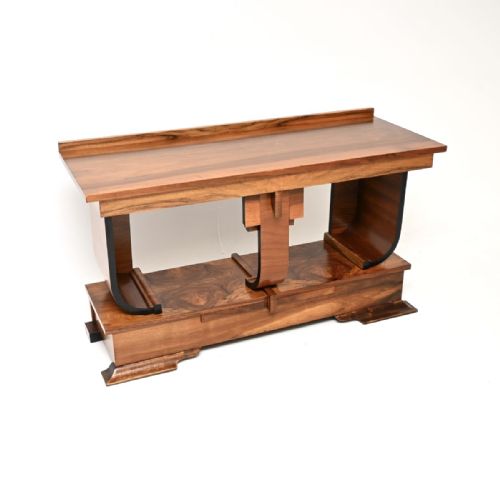
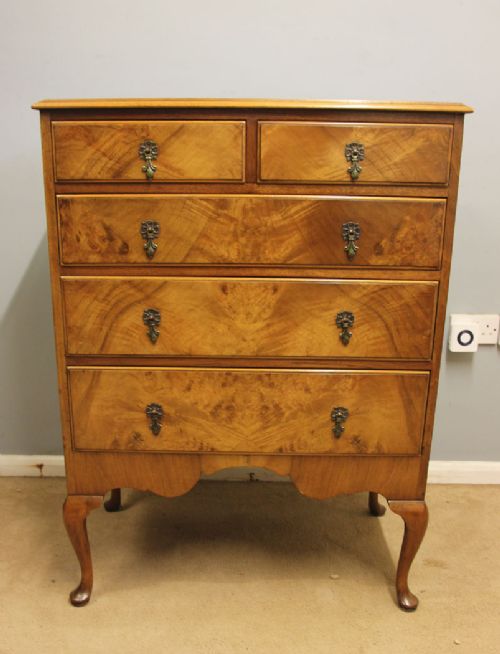
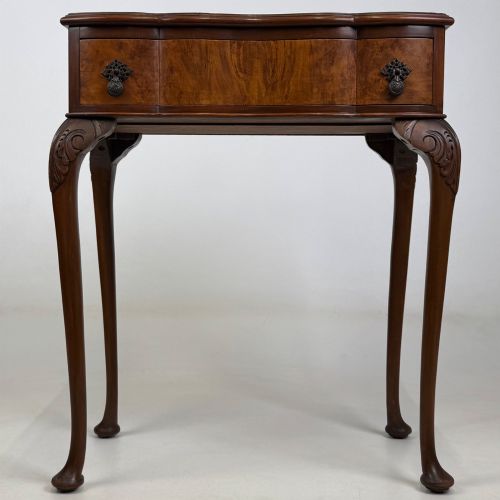
When you search for figured walnut wood, you encounter furniture and decorative items selected for their exceptional timber grain patterns. These pieces span multiple centuries, ranging from eighteenth-century chests and bureaus to twentieth-century Art Deco coffee tables and cabinets.
The most common forms on this page include chests of drawers, side tables, and display cabinets constructed during the Victorian, Edwardian, and Art Deco periods. Makers utilised the distinct grain of the wood to create decorative focal points on drawer fronts and table tops.
How they were made
Cabinet makers applied thin veneers of figured walnut and burr walnut over solid wood carcases to display symmetrical grain patterns. These wooden surfaces were often combined with brass handles, glass cabinet doors, and intricate carved wood details.
Earlier pieces from the eighteenth century relied on hand-cut dovetails and traditional joinery, while later twentieth-century Art Deco items introduced streamlined shapes and specialised serving trolleys or nests of tables.
Figured Walnut Wood Retail Price Guide 2026
Typical asking prices for figured walnut wood among the pieces listed under this phrase on Sellingantiques today, from the lower quarter to the upper quarter. They describe what is for sale here now, not the wider market.
Listings feature items spanning from the sixteenth century up to the Art Deco period, utilising walnut veneers, glass, and brass.
What varies in quality
Quality rests in the visual strength of the timber grain and the precision of the veneer matching across drawer fronts and table tops. Pieces with book-matched or slip-matched figured walnut display a deliberate symmetry that elevates the visual impact.
Construction methods also distinguish finer examples, such as solid secondary timbers, clean interior drawer linings, and the restraint or elegance of applied marquetry inlay.
Bowman Brothers·Heal's
The Figured Walnut Wood Glossary
- Figured walnut
- Timber exhibiting wavy, irregular or highly decorative grain patterns caused by local distortions in the wood growth. This material is sliced into thin veneers for furniture surfaces.
- Burr walnut
- Wood harvested from a tree growth or excrescence containing numerous dormant buds, creating a dense pattern of swirling eyes. It forms a prized surface layer on cabinets and tables.
- Veneer
- A thin layer of superior figured walnut timber adhered to a stable base wood to create decorative surfaces without warping. This technique allows cabinet makers to achieve symmetrical patterns.
- Marquetry
- The art of applying pieces of veneer to a structure to form decorative patterns or pictures. Victorian examples often incorporate this detailed work into display cabinets.
- Lowboy
- A small occasional table with drawers, popular during the eighteenth century. These pieces frequently showcase figured walnut tops supported on slender legs.
Figured Walnut Wood: Frequently Asked Questions
What is figured walnut?
Figured walnut refers to timber displaying natural grain distortions that create decorative patterns. Cabinet makers select these sections for their visual impact on prominent furniture surfaces.
Unlike plain timber, figured wood shows waves, curls, and mottling. These variations occur naturally in the tree and emerge clearly when polished.
How do I date walnut furniture?
Dating walnut furniture involves examining construction techniques, hardware, and stylistic traits. Eighteenth-century pieces often feature different joinery and proportions compared to Victorian or Art Deco items.
Drawer linings, handle types, and leg shapes also provide clues to the era of manufacture. Examining the interior construction reveals how the piece was built.
Is burr walnut different?
Burr walnut comes from a specific tree growth containing clustered bud formations. This creates a dense, highly intricate pattern filled with swirling eyes.
While all burr walnut is figured, not all figured walnut is burr. Burr wood represents a rarer and more decorative selection used on high-end cabinet work.
How do I care for walnut?
Walnut furniture requires protection from direct sunlight and extreme humidity changes. Maintaining stable indoor conditions prevents the wood and veneer from drying out or cracking.
Regular dusting with a soft cloth keeps the polished surface clean. Avoid harsh chemical cleaners that can damage the historical finish of the timber.