



Figured Walnut Vanity Table
A figured walnut vanity table brings rich grain and practical surface space together, offering a handsome focal point for any bedroom.
Figured Walnut Vanity Table
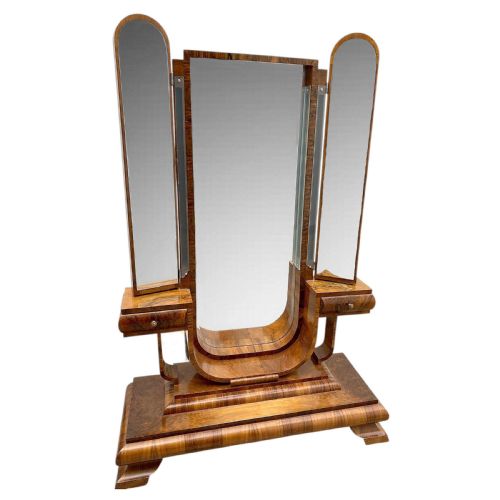
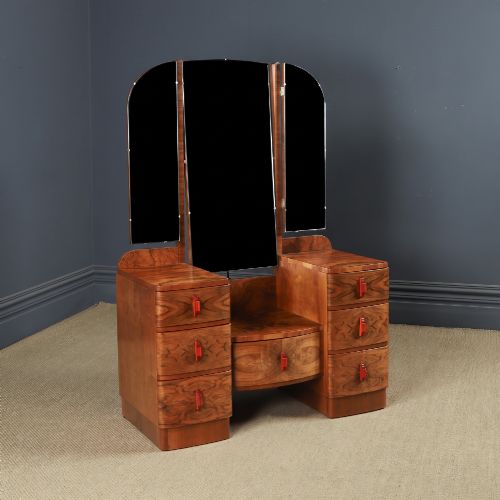
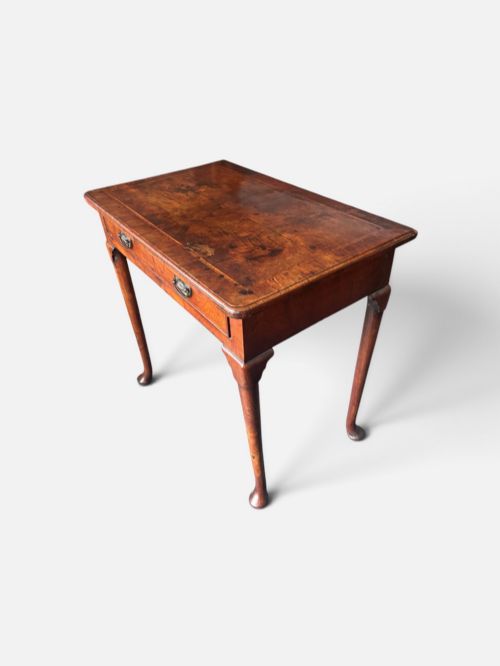
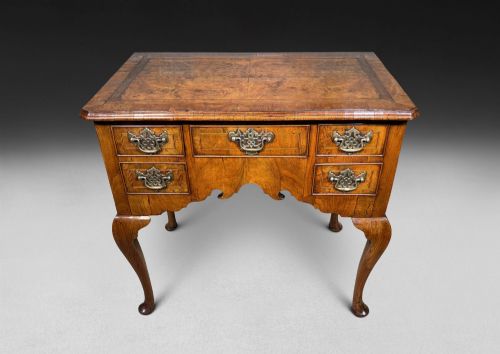
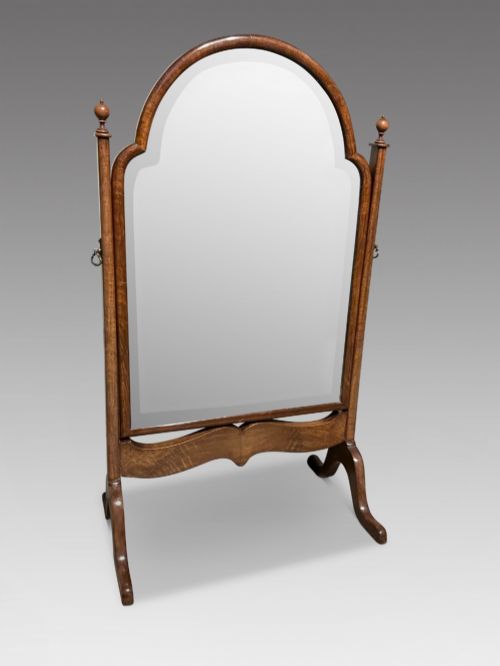
When you search for a figured walnut vanity table, you encounter a selection spanning the eighteenth century to the art deco period. These pieces encompass dressing tables, lowboys, kneehole desks, and cheval mirrors.
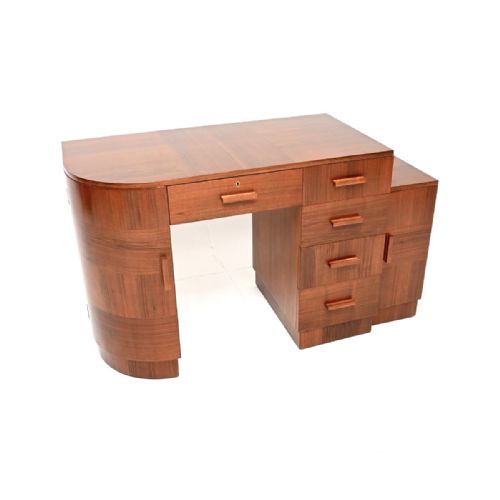
The most common forms on this page include art deco pedestals from nineteen thirty and eighteenth-century lowboys with herringbone inlay. Buyers also find Victorian duchess dressing tables and Queen Anne style desks.
Makers utilised walnut veneer alongside solid hardwood, mounting brass handles and mirror glass to complete each form. The variety stretches from table mirrors with bureau fitments to large pedestal vanities.
Materials and Construction
Cabinet makers selected walnut and figured walnut veneer for its distinct, rippled grain patterns. They often applied herringbone inlay to add geometric contrast across the drawer fronts and top surfaces.
Brass hardware and bakelite details appeared on later twentieth-century pieces, while glass served for both table mirrors and adjustable cheval frames. Hardwood frames provided the underlying structural support for these veneered surfaces.
Figured Walnut Vanity Table Retail Price Guide 2026
Typical asking prices for figured walnut vanity table among the pieces listed under this phrase on Sellingantiques today, from the lower quarter to the upper quarter. They describe what is for sale here now, not the wider market.
Listings feature pieces from the eighteenth century, the Victorian era, and the art deco period of nineteen thirty.
Judging Quality and Craftsmanship
The sophistication of the timber grain dictates much of the visual appeal, with burr and figured walnut commanding greater attention. Matching the grain symmetrically across drawer fronts shows deliberate planning by the cabinet maker.
Inlay work and hardware integration reveal the standard of construction, distinguishing standard production from finer workshop output. The condition of the original mirror glass and the stability of the pedestal joints also influence the overall standing of the piece.
The Figured Walnut Vanity Table Glossary
- Figured walnut
- Walnut timber exhibiting wild, swirling, or highly decorative grain patterns. This wood was prized by cabinet makers for surface veneers.
- Lowboy
- A small side table or dressing table featuring one or more rows of drawers beneath the flat top. Eighteenth-century examples often rest on slender cabriole legs.
- Cheval mirror
- A full-length mirror suspended on a vertical swiveling frame. These freestanding glasses allow the user to tilt the mirror plate to various angles.
- Kneehole desk
- A writing table or dressing chest featuring a central recess for the legs. Cupboards or stacks of drawers flank this open space on both sides.
- Herringbone inlay
- A decorative banding made of small wood veneer pieces laid diagonally in a zig-zag pattern. This technique frames drawer perimeters and tabletops.
Figured Walnut Vanity Table: Frequently Asked Questions
What is a figured walnut vanity table?
A figured walnut vanity table is a dressing surface or desk fashioned from walnut wood featuring decorative grain patterns. These pieces range from eighteenth-century lowboys to art deco pedestal dressing tables with matching mirrors.
They provide both a functional surface for grooming or writing and a decorative centrepiece for a bedroom. The inclusion of drawers and mirror attachments distinguishes them from standard side tables.
How do I date a walnut vanity table?
Dating relies on observing the overall form, hardware style, and construction methods used in the piece. Eighteenth-century examples display lowboy proportions with herringbone inlay, whereas nineteen-thirty pieces show streamlined art deco silhouettes.
Victorian and Edwardian pieces often incorporate larger dressing mirrors or duchess formats. Comparing the secondary timbers and joining techniques helps confirm the period of manufacture.
Where should I place a vanity table?
A vanity table suits a bedroom or dressing room where natural light can reach the mirror surface. Placing it near a window enhances its utility for daily grooming.
These pieces also function effectively as writing desks in a study or hallway. Their decorative grain allows them to stand away from walls as feature furniture.
How do I care for figured walnut?
Caring for figured walnut involves dusting with a soft cloth and avoiding excessive exposure to direct sunlight. Sunlight can fade the rich tones of the walnut veneer over time.
Applying a traditional wax polish occasionally helps nourish the wood and maintain its sheen. Moisture should be kept away from the surface to protect the veneer and inlay.