
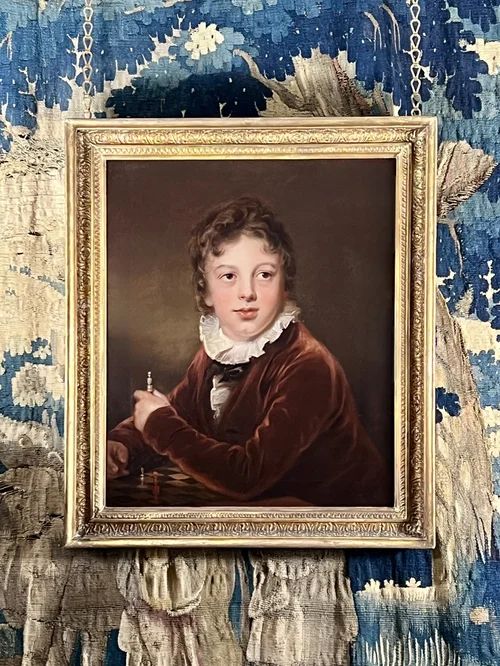
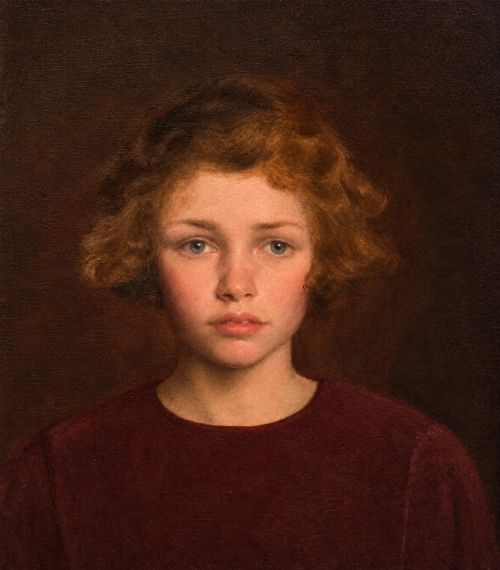
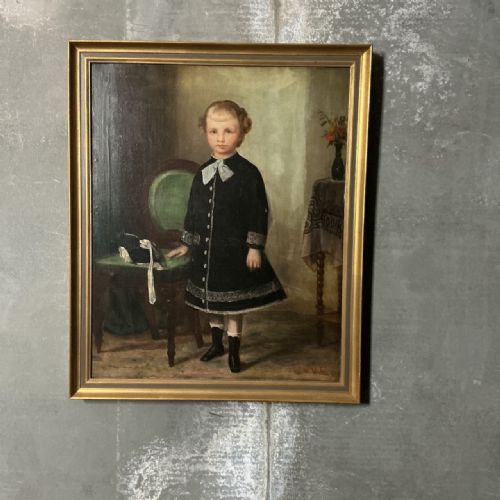
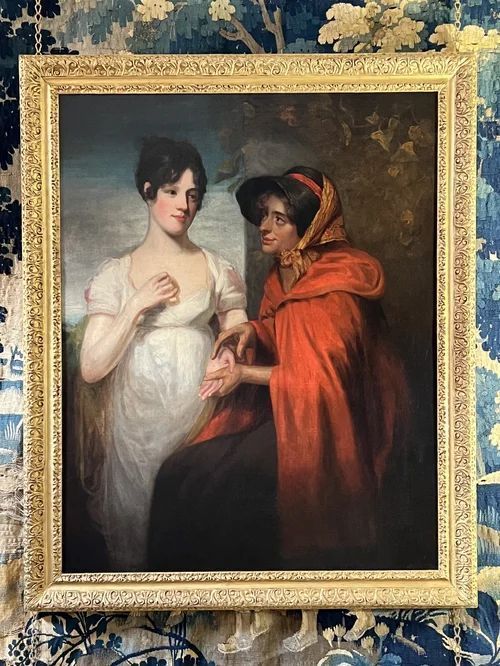
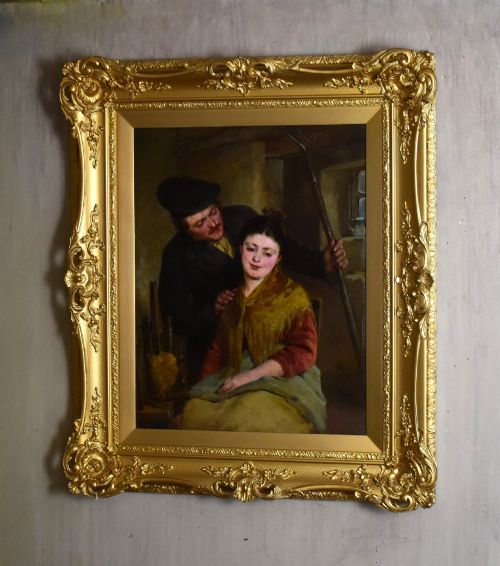
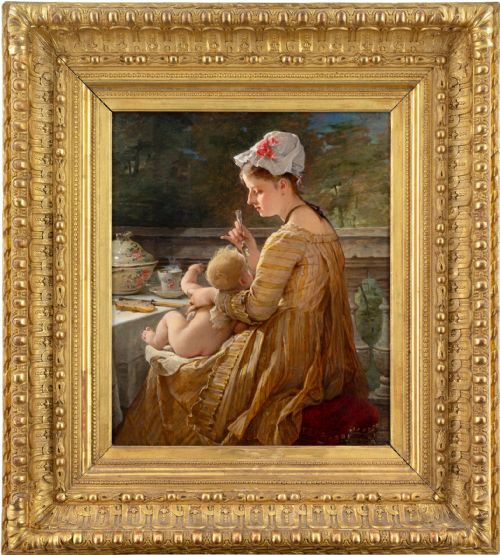
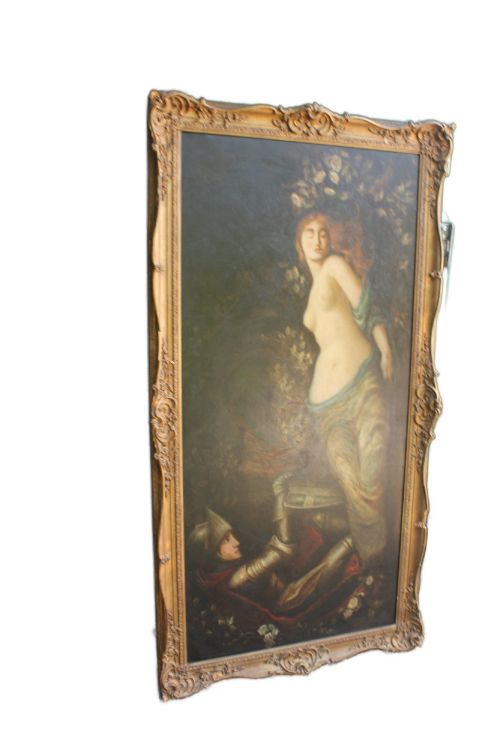
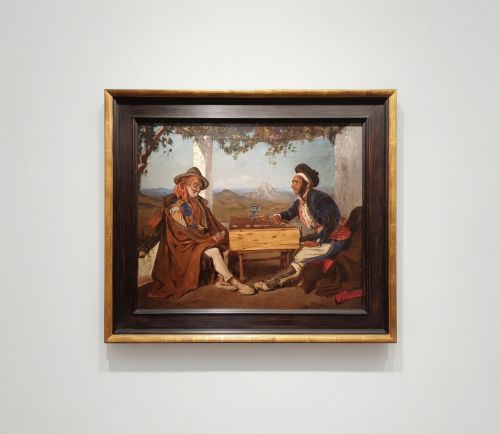
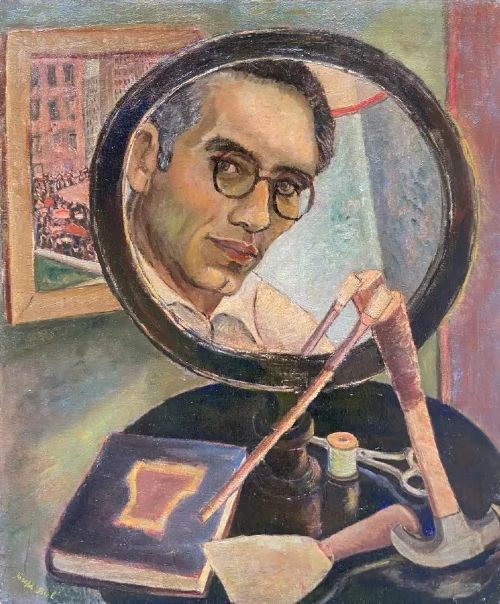
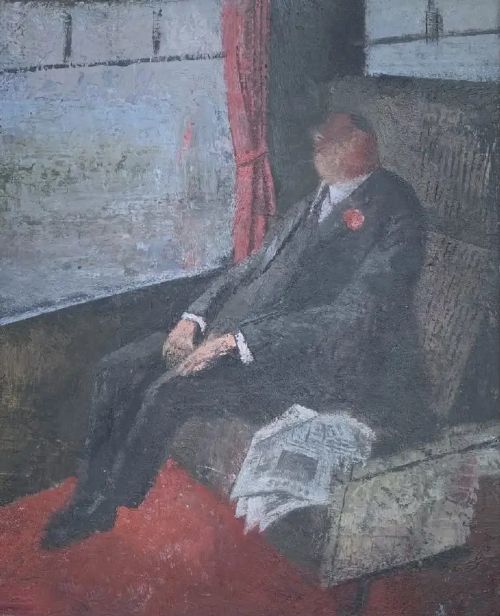
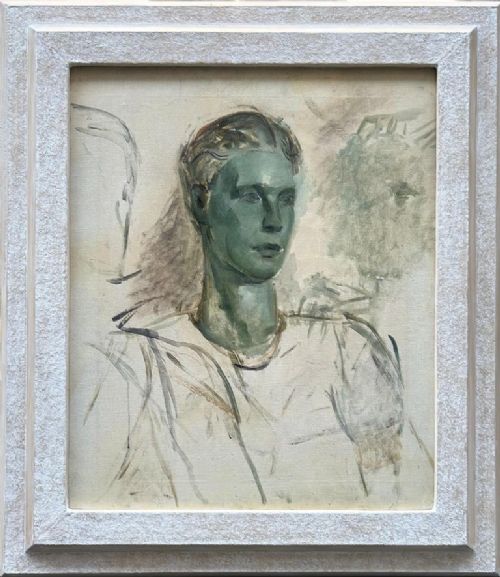
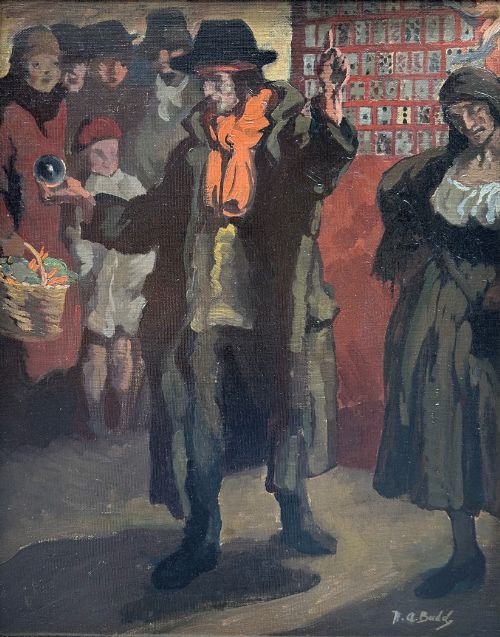
Figurative Oil Portrait
A figurative oil portrait captures human character and likeness on canvas, bringing centuries of painted presence into a room.
Figurative Oil Portrait
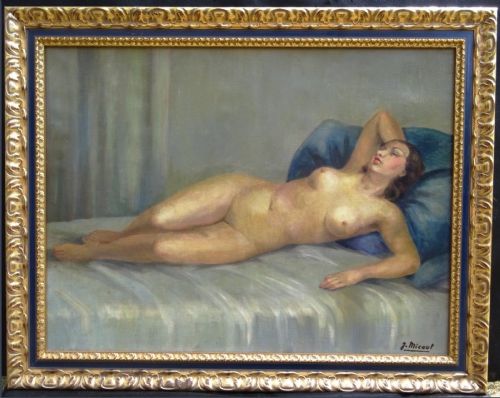
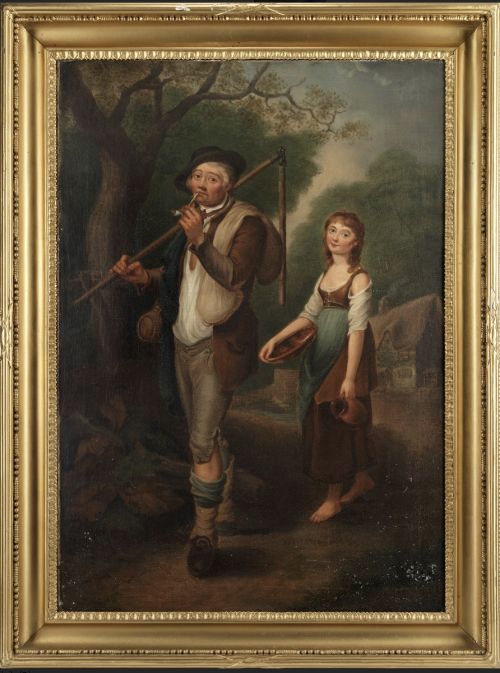
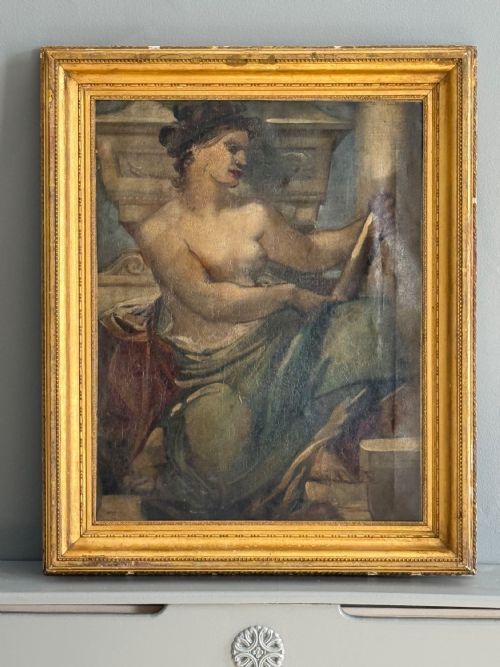
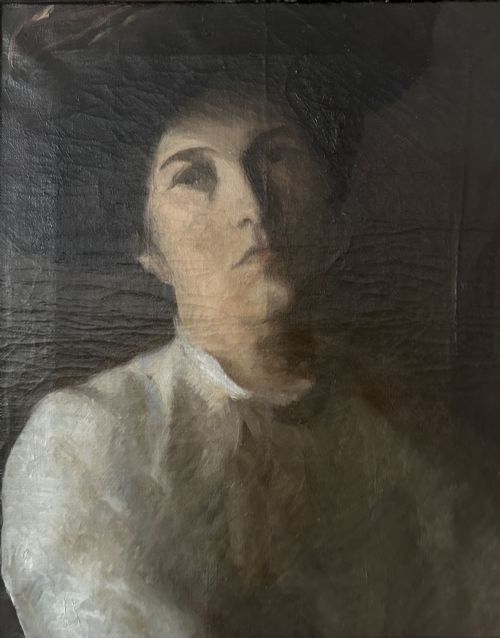
A figurative oil portrait depicts human subjects through painted canvas, encompassing formal likenesses, genre scenes, and self-portraits spanning from the seventeenth century through to the mid-twentieth century.
Buyers encounter works ranging from eighteenth-century aristocratic depictions and Victorian narrative studies to Art Deco and mid-century modern interpretations.
These pieces primarily utilise traditional oil paint on canvas or wood panels, often housed within period giltwood frames.
Materials and technique
Artists build these works using oil paint applied to woven canvas supports stretched over wooden frames, or directly onto prepared wooden panels.
Pigments are layered to create depth in skin tones and garments, sometimes incorporating impasto texture for tactile emphasis.
Frames fashioned from giltwood or incorporating gold leaf frequently accompany the canvas, completing the construction.
Listings span periods from the seventeenth century through the 1950s, employing canvas, wood, oil paint, and giltwood.
Judging quality
The sophistication of brushwork and the precision in rendering human anatomy and expression distinguish master compositions from standard studio output.
Handling of light, shadow, and atmospheric depth determines the visual impact of the portrait.
The integrity of the original canvas surface and the harmony of any period gilt frame contribute significantly to the standing of the piece.
JOHN OPIE R.A·Constantyn Netscher·Adelaïde Salles-Wagner·Joseph Biel·Oliver Messel·Herbert Ashwin Budd·Christine Nesbit·Charles James McCall·Renato Moretti·Philip Naviasky·Ronald Ossory Dunlop·Byam Shaw·Charles Zacharie Landelle·George Morland·Robert Surtees Snr·Michel Katzaroff
The Figurative Oil Portrait Glossary
- Canvas
- A heavy woven fabric stretched across a wooden frame to serve as a support for oil painting. It provides a flexible yet durable ground for pigment.
- Impasto
- A technique where oil paint is laid thickly on the surface, standing out from it. This allows the texture of the brush or palette knife to remain visible.
- Giltwood
- Wood that has been treated with a thin layer of gold leaf or gold paint. This finish appears frequently on antique picture frames.
- Genre painting
- The pictorial representation of scenes from everyday life. These works depict ordinary people engaged in common activities rather than formal portraiture.
- Academic realism
- A style of painting produced under the influence of European academies of art. It emphasises precise rendering, classical proportions, and accurate anatomical detail.
Figurative Oil Portrait: Frequently Asked Questions
How do I date a figurative oil portrait?
Dating relies on stylistic clues within the subject's clothing, hairstyle, and the surrounding props or interior decor. Supporting evidence such as artist signatures, exhibition labels, and the construction methods of the canvas stretcher or frame also provide chronological markers.
Paint composition and canvas preparation techniques evolved over centuries, helping experts narrow down the period of execution alongside written records or signatures on the reverse.
What is the difference between a portrait and a genre painting?
A formal portrait focuses primarily on recording the specific likeness, status, and identity of a named individual or sitter. The subject usually sits for the artist.
In contrast, a genre painting depicts anonymous figures engaged in everyday activities or narrative scenes, where the story or atmosphere takes precedence over individual identity.
How should I care for an antique oil painting?
Keep oil paintings away from direct sunlight and steady extremes in room temperature or humidity to prevent the canvas from warping and the paint from cracking. Avoid using chemical cleaners or water on the painted surface.
Dusting should be done very gently with a soft, dry, natural-hair brush by someone with a steady hand. Professional conservation is recommended for any deeper cleaning or repair.
Why are some portraits painted on wood instead of canvas?
Wood panels served as a rigid support for paintings long before stretched canvas became standard, and remained popular in various regions and periods for their smooth surface. They offer a stable ground that prevents the flexing and sagging sometimes seen in old textiles.
Panels made from oak, mahogany, or other timbers allowed artists to achieve fine detail, though they require careful environmental control to prevent wood movement.