
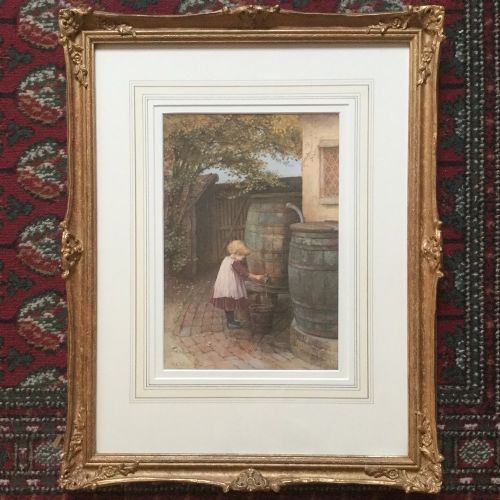


Figurative Landscape Artwork
Figurative landscape artwork brings human narrative into open-air settings, offering a glimpse into past lives set against natural scenery.
Figurative Landscape Artwork
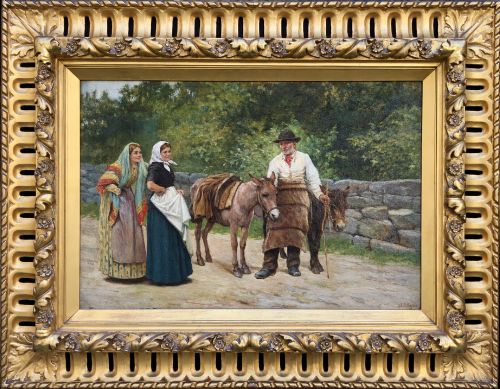
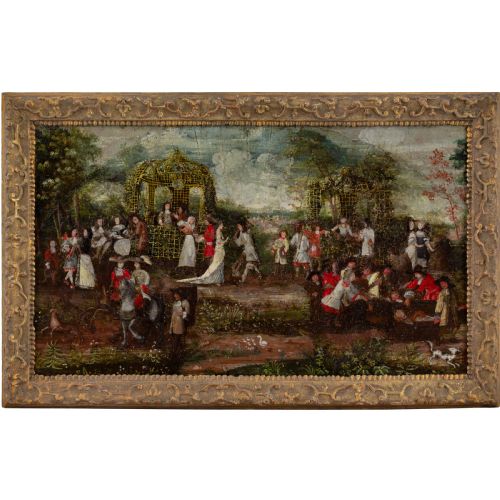
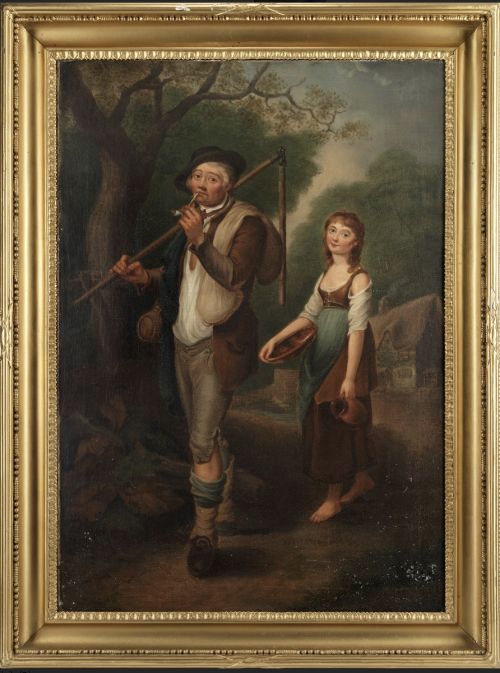
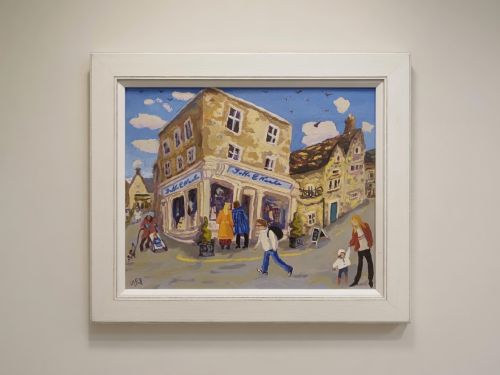
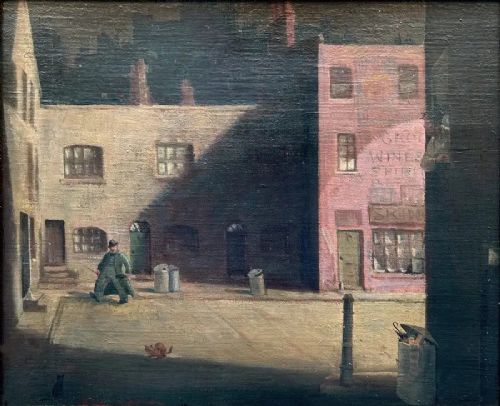
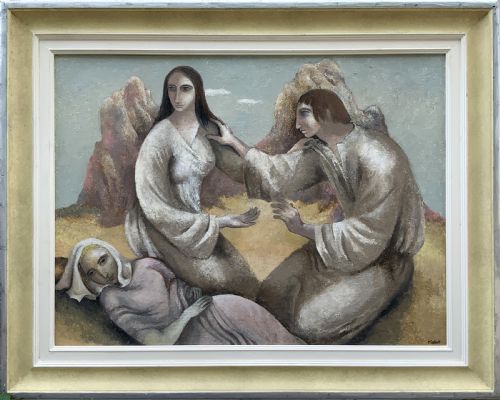
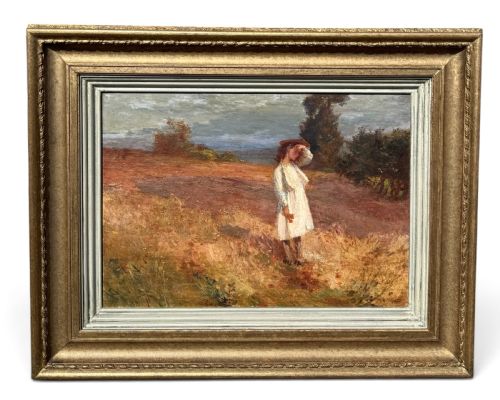
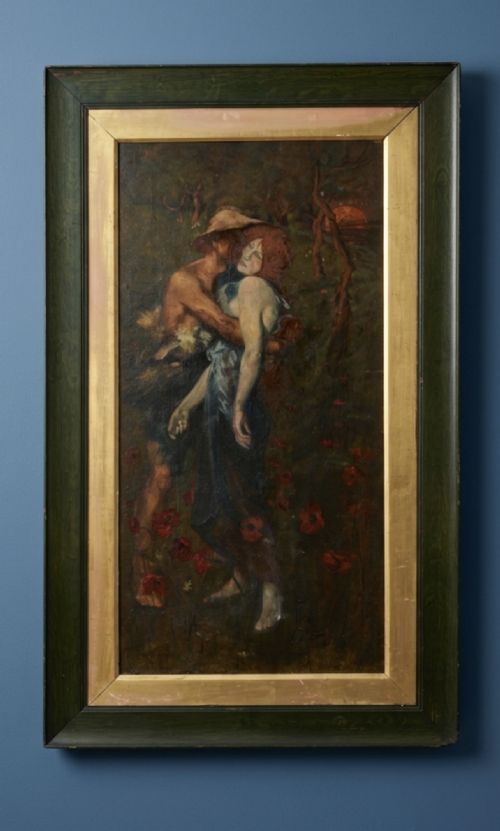
Figurative landscape artwork places human subjects within outdoor settings, combining portraiture and scenery to tell a visual story. These pieces range from intimate pastoral scenes to grand village gatherings framed by natural environments.
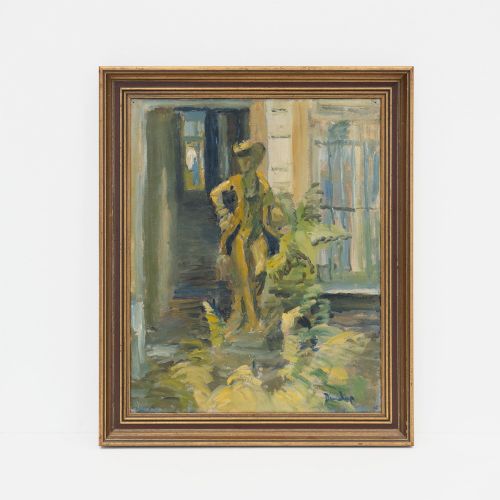
The selection on this page draws heavily from nineteenth and twentieth-century traditions, featuring oil paintings and watercolours on canvas, paper, and wood panel. Buyers encounter works influenced by British Impressionism, Victorian romanticism, and mid-century modernist styles.
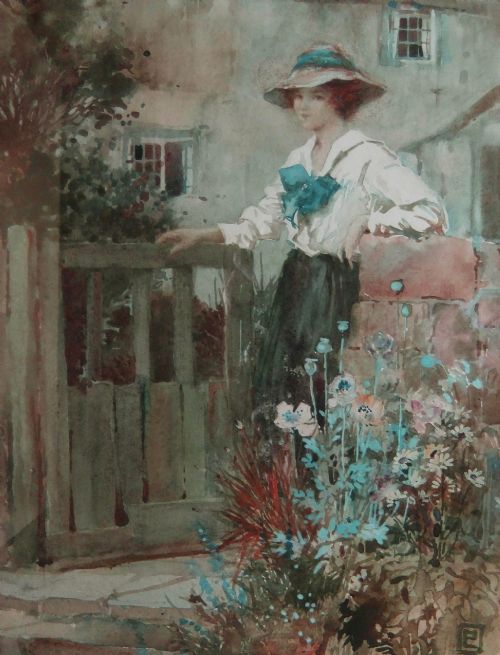
Many items depict people engaged in everyday activities, rural labour, or leisurely pursuits such as gardening and riverbank strolls. These compositions balance the scale of the landscape with the intimate presence of the figures inhabiting it.
Materials and construction methods
Artists working in this genre relied predominantly on oil paint applied to stretched canvas or wooden panels, allowing for rich textures and deep colour blending. Watercolour on paper also appears frequently, offering a lighter touch for delicate pastoral views.
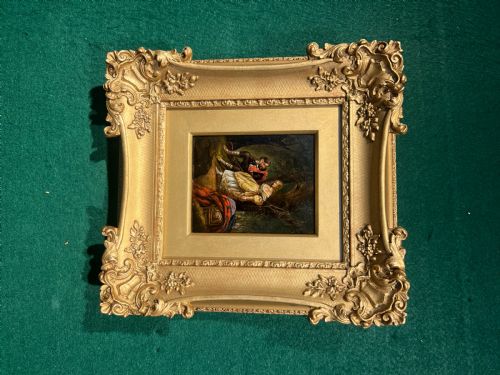
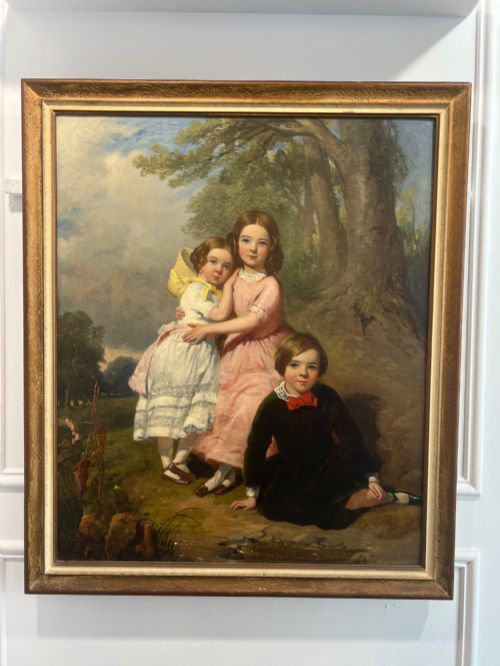
Framing often incorporates traditional wood mouldings, occasionally with gilt ornamentation that enhances the visual depth of the canvas. Support structures range from simple stretchers to robust wooden frames designed to protect the integrity of the paint surface.
Listings feature works spanning from the seventeenth century through to the mid-twentieth century, predominantly executed in oil or watercolour.
Determinants of artistic quality
Quality in these pieces rests upon the artist's ability to integrate the human figure harmoniously with the surrounding terrain. Superior works display a deliberate balance of light, shadow, and proportion that guides the viewer's eye naturally through the scene.
Brushwork technique also separates standard decorative pieces from finer examples. Skilful handling of pigment creates palpable atmosphere and texture, whereas lesser works tend to rely on flat planes and rigid outlines.
Thomas Barker of Bath·Charles Edward Wilson·Philip Richard Morris·Margaret Maitland Howard·Raymond Moritz·William Arthur Breakspeare·Harry Freckleton·Gabriel Dauchot·John Sanderson Wells·David Teniers II·Henry E Hobson·Jean-baptiste Joseph Pater·Rowland Henry Hill·Hendricus Joseph Dillens·Kershaw Schofield·Florence Hess·Frank Hyde·Kunisada
The Figurative Landscape Artwork Glossary
- Impressionism
- A nineteenth-century painting style focusing on accurate depiction of light in its changing qualities.
- Oil on canvas
- Pigment mixed with drying oil applied to a woven fabric stretched across a wooden frame.
- Watercolour
- Paint consisting of colour suspended in a water-soluble vehicle, typically applied to paper.
- Genre painting
- Art that depicts aspects of everyday life by portraying ordinary people engaged in common activities.
- Gilt wood
- Wood surfaces treated with gold leaf or a gold-coloured metallic finish for decorative enhancement.
Figurative Landscape Artwork: Frequently Asked Questions
What defines a figurative landscape?
A figurative landscape integrates human subjects into an outdoor or natural environment, making both the people and the scenery central to the composition.
These artworks use the setting to tell a story or evoke a specific mood, rather than treating the landscape merely as a background.
How should I hang these paintings?
Display these works at eye level on walls with stable humidity and away from direct sunlight to protect the pigments.
Ensure the weight of the frame is properly supported by appropriate wall fixings suited to the construction of your room.
How do I identify the period?
Dating relies on examining the stretcher construction, canvas type, framing materials, and stylistic signatures characteristic of specific decades.
Comparing the clothing and hairstyles of the figures depicted also offers reliable clues to the era in which the piece was created.
What is the difference between oil and watercolour here?
Oil paintings utilise thick, buildable pigments on canvas or panel, offering deep colour saturation and visible brush texture.
Watercolours utilise translucent washes on paper, creating a lighter, more delicate representation of light and atmosphere.