




Figurative Impressionist Canvas
A figurative impressionist canvas captures human presence through broken brushwork and luminous light, offering a window into domestic scenes, coastal gatherings, and intimate portraits.
Figurative Impressionist Canvas
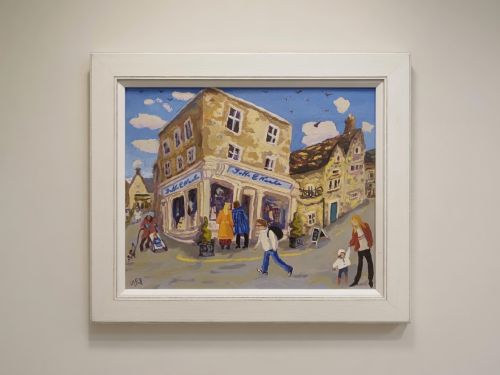
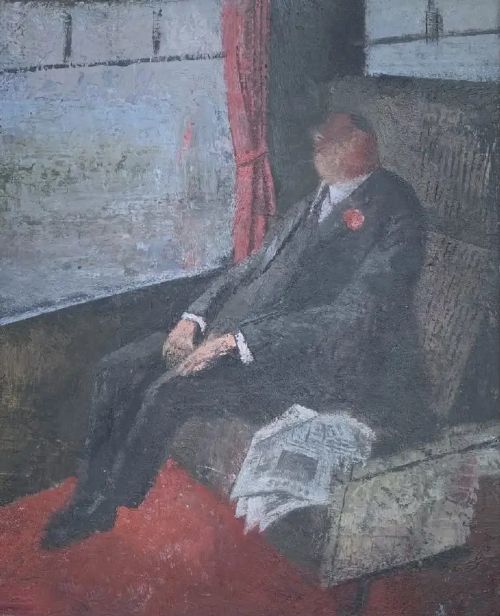
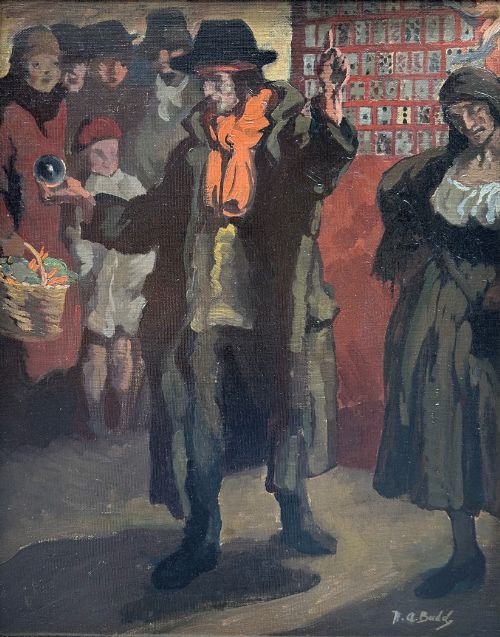
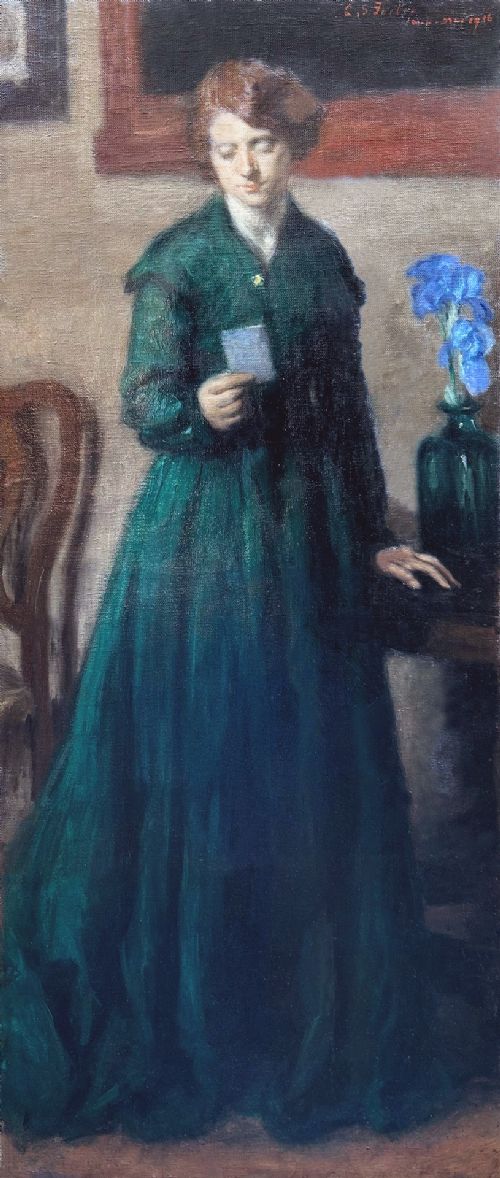
A figurative impressionist canvas brings together human subjects and the loose, atmospheric brushwork characteristic of late nineteenth and twentieth-century painting. When exploring this phrase, buyers encounter works ranging from Edwardian beach scenes to mid-century portraits and continental street life.
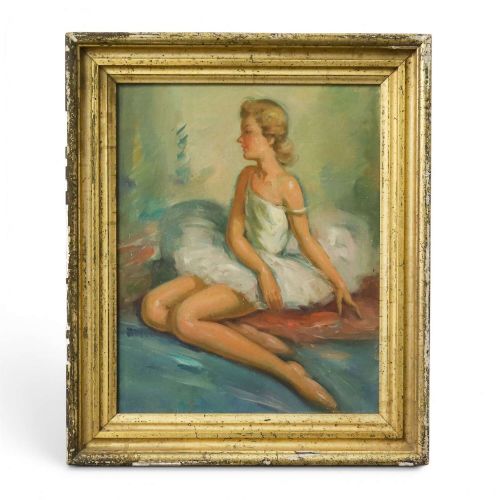
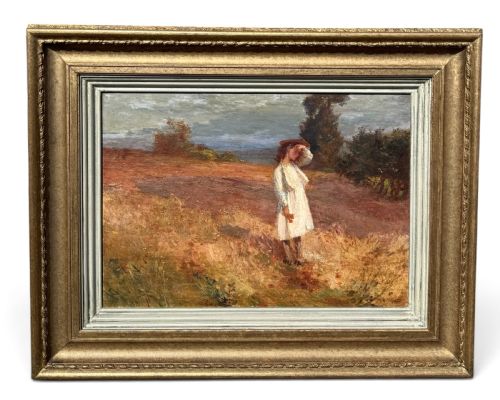
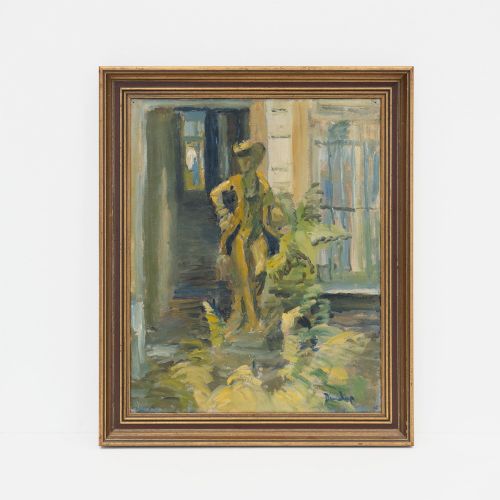
The selections on this page lean heavily towards oil paints applied to canvas supports, often housed within period frames of wood and gilt. Subjects span from quiet domestic moments like mothers and children in gardens to expressive studies of dancers, bathers, and nudes.
Origins stretch across British, French, and Belgian schools, reflecting both regional impressionism and broader modernist movements. These paintings record human activity through rapidly rendered gestures rather than rigid academic precision.
Materials and technique
Artists working in this tradition relied primarily on oil paint applied directly onto stretched canvas. The medium allowed for rich texture, impasto highlights, and the gradual layering of transparent glazes to build depth of light.
Support frames were constructed from wood, frequently finished with gilt or giltwood moulding to complement the palette of the painting within. The interaction between the textured oil surface and the reflective gilded frame remains a defining characteristic of the physical pieces.
Listings span periods from the late nineteenth century through the mid-twentieth century, featuring oils on canvas supported by wooden and gilt frames.
Distinctions in quality
Quality rests upon the confidence of the brushwork and the artist's command over light and shadow to define human form. Stronger examples display an economy of marks where a few decisive strokes convey gesture and mood entirely.
Compositional balance and the integration of figure and background separate accomplished works from routine studio production. Superior canvases retain a palpable vitality in the handling of pigment, whereas lesser pieces can slip into static illustration.
Herbert Ashwin Budd·Charles Stuart Forbes·Philip Naviasky·William Watt Milne·Ronald Ossory Dunlop·Raymond Moritz·Henri Vincent-Anglade·Frans Gailliard·Harry Freckleton·Attilio Toro·Gabriel Dauchot·Kershaw Schofield·Jean Hippolyte Marchand·Albert Guillaume·Roland Batchelor·Jeffrey Pratt·Igor Talwinski·Kenneth B Malpass·Christian Caillard·Markey Robinson·Bernard Meninsky·Auguste Renoir·Sonia Mervyn·Charles McAuley·John Singer Sargent
The Figurative Impressionist Canvas Glossary
- Impressionism
- A nineteenth-century painting style focused on capturing the visual impression of a moment, particularly shifting light and colour. Practitioners utilised rapid, visible brushstrokes rather than smooth, blended finishes.
- Impasto
- Paint applied thickly to a canvas, standing out in relief from the surface. This technique allows the physical texture of the paint to catch the light and contribute to the sense of movement.
- Giltwood
- Wood carved and covered with a thin layer of gold leaf or gold paint. Frames utilising this material were designed to enhance the luminosity of oil paintings.
- Post-Impressionism
- A predominantly French art movement that followed impressionism, extending its use of vivid colours and thick application while emphasising geometric forms or expressive content. Artists retained the focus on everyday subjects while exploring personal symbolism.
- Provenance
- The chronological history of the ownership of a work of art, used as a guide to authenticity and pedigree. Documented lineage adds historical context to individual paintings.
Figurative Impressionist Canvas: Frequently Asked Questions
What defines a figurative impressionist canvas?
These works focus on human subjects rendered through loose, expressive brushwork and an emphasis on natural light. Rather than precise academic detail, the emphasis rests on movement, atmosphere, and mood.
They capture everyday moments, from children playing on beaches to quiet indoor scenes, using the characteristic textures of oil paint on stretched canvas.
How should I display an oil painting in my home?
Oil paintings on canvas benefit from placement away from direct sunlight and dramatic fluctuations in temperature or humidity. Proper hanging protects both the structural integrity of the wooden stretcher and the stability of the paint layer.
Matching the canvas with an appropriate period frame, such as traditional giltwood, enhances the visual presentation without overwhelming the composition.
How can I distinguish between different twentieth-century movements here?
Distinctions rely on the handling of paint and the degree of abstraction in the human form. Impressionist and post-impressionist works prioritize light and visible brushwork, while mid-century or avant-garde pieces might incorporate simplified geometric shapes or bolder palettes.
Examining the handling of background elements alongside the central figure often reveals the specific stylistic approach of the artist.
Were these paintings always framed originally?
Many works retain their period frames, which provide valuable clues regarding the date and origin of the piece. Wooden frames finished in gilt were standard choices for exhibiting oil paintings throughout the nineteenth and twentieth centuries.
Evaluating the frame alongside the canvas helps confirm the historical context of the artwork.