
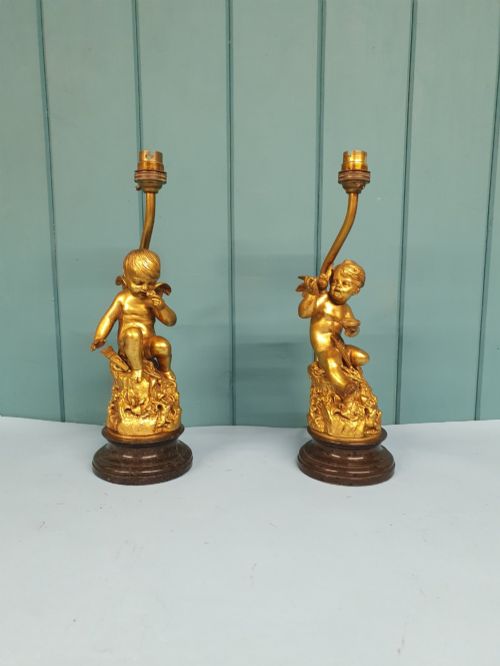
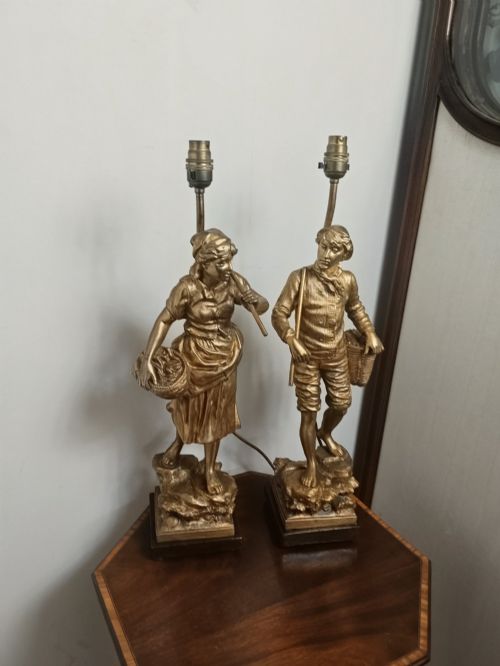
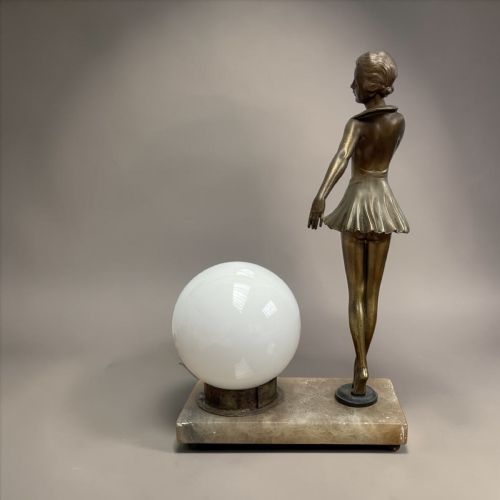
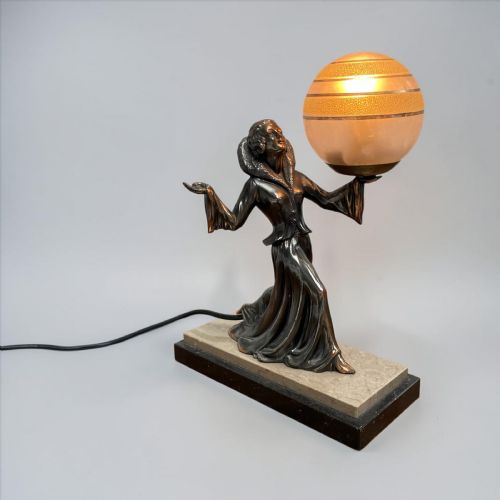


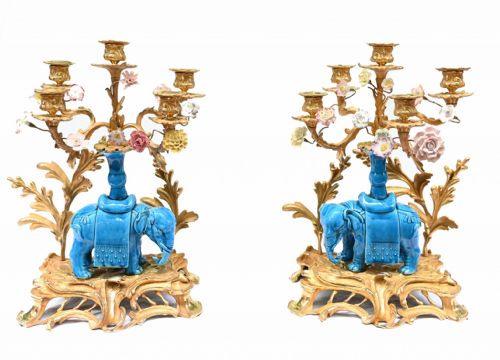
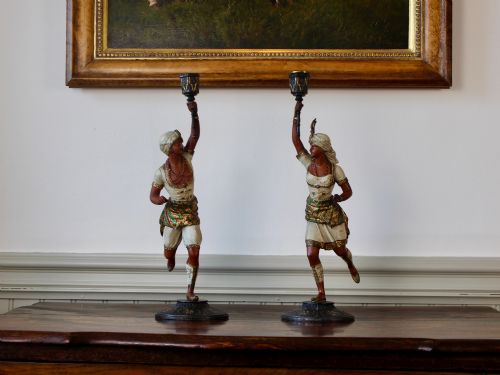


Figural Bronze Table Light
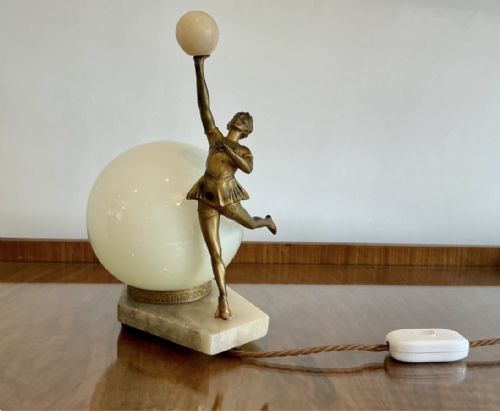
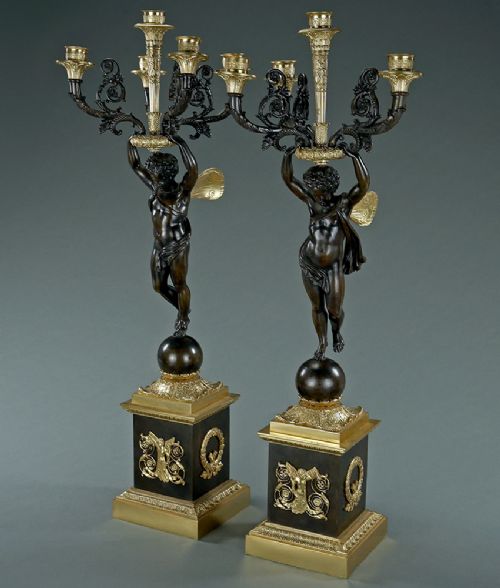
These figural bronze table light examples bring character to a room, cast in metal and styled across periods from the nineteenth century into the nineteen-thirties.
Figural Bronze Table Light
A figural bronze table light combines sculptural human or mythical forms with functional illumination, taking the shape of table lamps, candelabra, candlesticks, and table mirrors. You will regularly encounter figures cast in metal such as bronze, gilt bronze, and spelter, often paired with marble bases or glass shades.
The selection ranges from nineteenth-century classical figures and cherubs to nineteen-thirties Art Deco lady lamps and mood lighting. French regional works and English Regency pieces dominate the selection, bringing distinct historical character into domestic spaces.
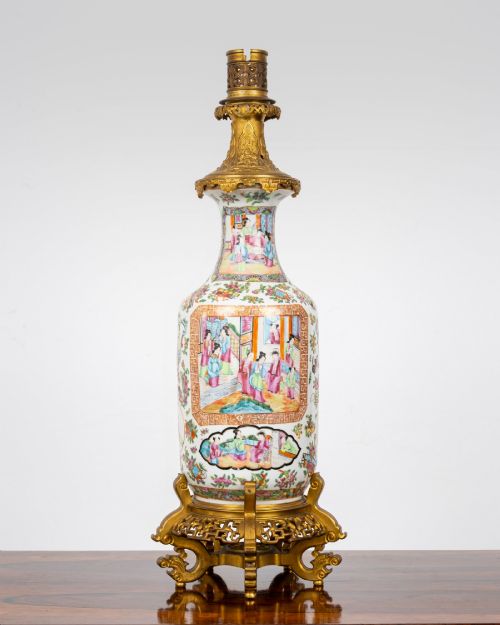
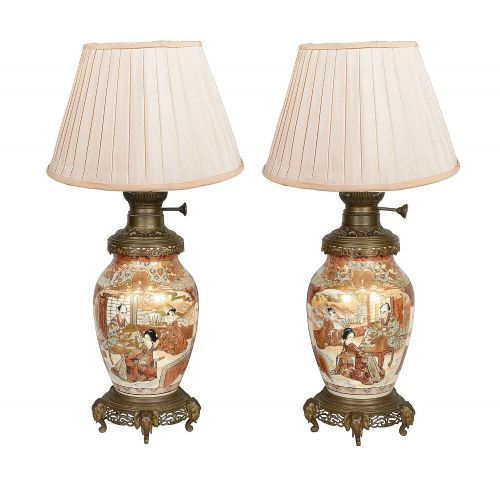
Many items began life as oil lamps, candlesticks, or candelabra before receiving later electrical conversions. This practical adaptation allows antique figurative metalwork to function securely as contemporary lighting while retaining its sculptural integrity.
Materials and construction methods
Makers utilised bronze, gilt bronze, brass, and spelter for the primary figural castings, frequently mounting heavier figures upon polished marble bases. Cold painting adds polychrome surface detail to metal garments and skin tones, particularly on continental decorative figures.
Components often incorporate cast and chased metal elements joined with threaded fixings or pins. Glass elements, including frosted shades and fabric shades, complete the assemblies where electrical or oil illumination is required.
Some nineteenth-century cherubs hold aloft torches that illuminate rooms long after their original candle days concluded.
Assessing quality in figurative lighting
The weight and selection of the supporting plinth dictate overall stability and presence, with dense marble bases and heavy cast bronze foundations marking out superior workshop output.
E Rousseau·L & F Moreau·Emile Picault·Ivan Zaiec·Jean-Jules Cambos·H Moreau·Aug Moreau·Bruno Zach
The Figural Bronze Table Light Glossary
- Spelter
- A zinc alloy frequently used as an economical alternative to bronze for nineteenth and twentieth-century figural castings. It is softer than bronze and generally takes a painted or patinated finish.
- Cold painted
- A technique where paint is applied to metal sculptures without subsequent high-temperature firing. This finish is delicate and requires careful handling to preserve the original pigment.
- Ormolu
- Gilt bronze produced by applying a finely ground mercury and gold amalgam to cast bronze before heating. This process yields a durable, rich golden surface finish seen on formal nineteenth-century pieces.
- Torchère
- A stand or figurative lamp designed to hold a light source aloft, frequently depicted in the hands of classical maidens or putti. These pieces draw inspiration from ancient lighting columns.
Figural Bronze Table Light: Frequently Asked Questions
How do I wire an antique lamp safely?
A qualified electrician should inspect the internal wiring and replace vintage cords with modern cable that meets current safety standards. Retaining original switch mechanisms is often possible while updating the hidden electrical path.
Ensure the lamp holder matches the base weight to prevent toppling, especially when supporting heavy glass or fabric shades.
Are these lamps converted from oil lamps?
Many nineteenth-century lighting pieces began as oil burners or candlesticks and received electrical wiring during subsequent decades. Conversion holes and threaded burner galleries indicate this functional evolution.
Such adaptations are standard for period lighting and allow antique forms to serve modern domestic requirements.
How should I clean bronze figures?
Dust the surface regularly with a soft, dry brush to prevent particulate accumulation within crevices and chased details. Avoid harsh chemical cleaners or abrasive cloths that strip the patination.
Applying microcrystalline wax periodically protects exposed metal surfaces from moisture and handling wear.
How do I distinguish bronze from spelter?
Bronze offers a denser weight, a resonant ring when lightly tapped, and a durable metal structure that resists bending. Spelter feels lighter, softer, and frequently reveals a grey metal underneath worn painted surfaces.
Magnification helps reveal the sharp tool marks typical of chased bronze compared to the softer casting lines of alloy alternatives.