


Fiddle Pattern Flatware
Fiddle pattern flatware brings unmistakable nineteenth-century elegance to the table, prized for its distinctive shaped stem.
Fiddle Pattern Flatware
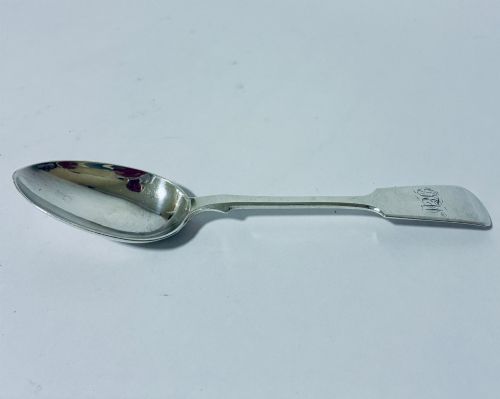
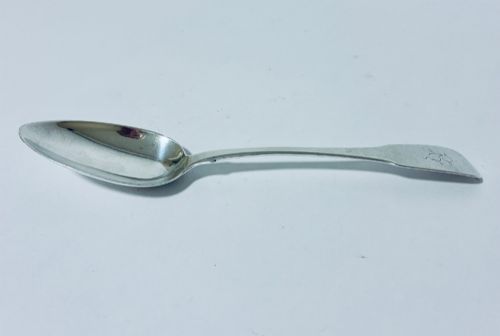
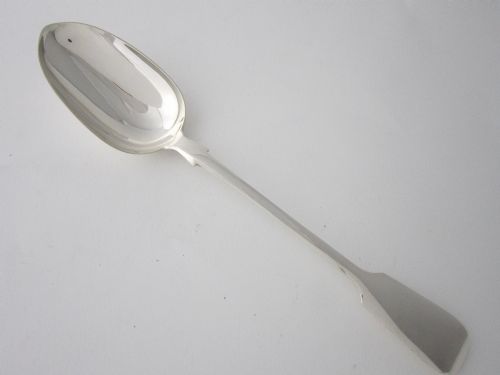
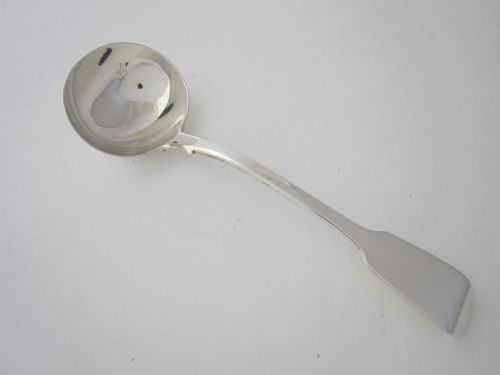
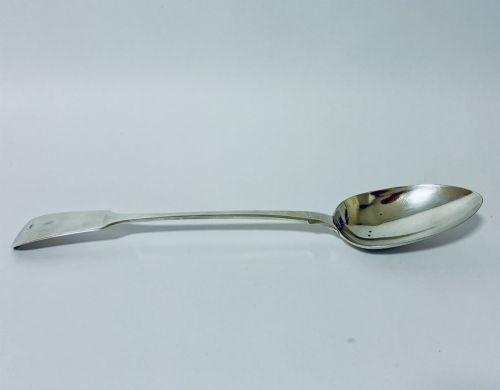
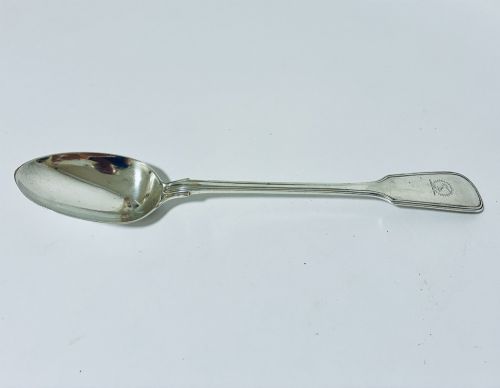
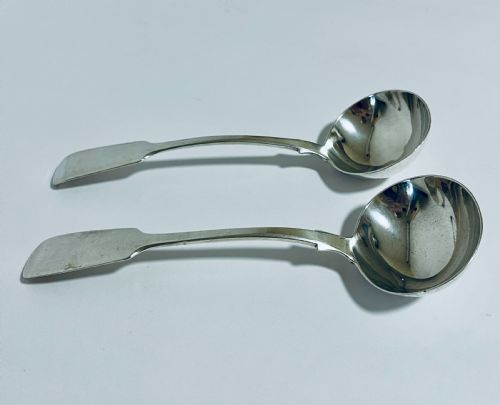
Fiddle pattern flatware encompasses the distinctive cutlery design defined by its shoulders above the stem, resembling the body of a violin. When searching for fiddle pattern flatware, buyers encounter pieces spanning the Georgian and Victorian eras, ranging from individual teaspoons and sauce ladles to substantial canteens for multiple diners.
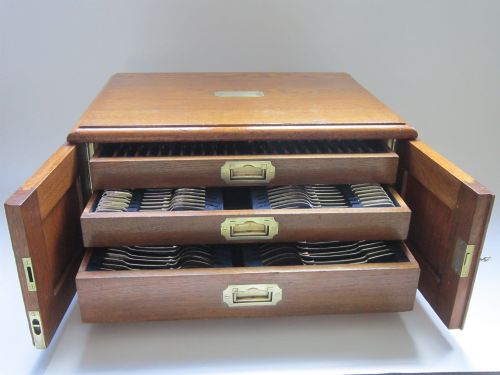
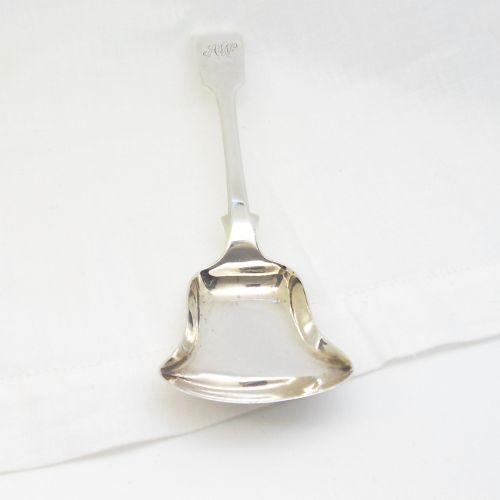
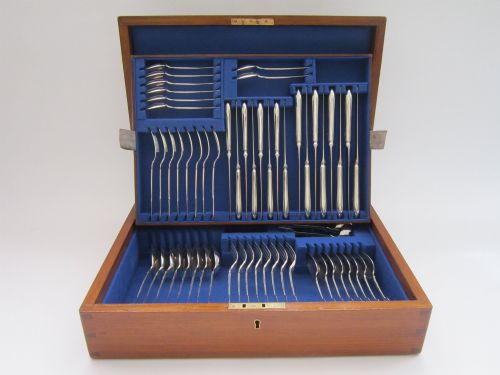
The selections on this page demonstrate the wide variety of forms produced in this style, including serving spoons, fish slices, caddy spoons, and complete canteens. Pieces originate from major English assay offices as well as regional Scottish and Irish provincial centres, offering collectors a rich geographical diversity.
Most items meeting this search belong to the nineteenth century, reflecting the peak of popularity for this domestic silver design. Buyers find both matched sets intended for formal dining and individual serving utensils that tell a story of regional silversmithing.
Assessing quality and distinction
Quality in these pieces is dictated by the crispness of the fiddle shoulders and the retention of the original profile through decades of use and polishing. Superior examples maintain clear hallmarks and sharp engraving on crests without excessive thinning of the silver bowl.
Regional provenance frequently elevates the distinction of a piece, with provincial Scottish and Irish town marks drawing particular interest from knowledgeable collectors. The completeness of matched sets and the quality of fitted oak or mahogany canteens also set finer items apart.
John Walton·George Adams
The Fiddle Pattern Flatware Glossary
- Fiddle pattern
- A nineteenth-century cutlery style characterised by a stem that widens sharply near the terminal into shoulders resembling a violin. This design became a staple of domestic silver dining.
- Assay office
- An official body that tested the purity of precious metals and stamped items with appropriate hallmarks. Offices in London, Exeter, Newcastle, York, and various Scottish towns are frequently encountered.
- Double struck
- A manufacturing technique where the die is struck twice on the silver to impart a deeper and more defined pattern on both sides of the handle. This adds substantial relief to the decoration.
- Caddy spoon
- A short-handled spoon specifically designed for measuring loose tea from a caddy into a teapot. These often feature decorative bowls and refined fiddle pattern handles.
- Fish slice
- A large, often pierced server utilised for portioning and serving fish at the dining table. Georgian and Victorian examples frequently showcase elaborate piercing and engraving.
Fiddle Pattern Flatware: Frequently Asked Questions
How do I care for silver flatware?
Caring for silver flatware involves regular gentle cleaning with appropriate silver polish and storing pieces in dry conditions. Utilising lined wooden canteens helps prevent tarnishing and physical damage.
Using the pieces frequently helps maintain a natural patina, provided they are washed by hand rather than placed in modern dishwashers.
How can I date my silver?
Dating silver relies upon reading the hallmarks stamped directly into the metal, which typically include a date letter indicating the exact year of assay. Additional marks reveal the maker and the assay office.
Style indicators such as the presence of family crests or specific regional town marks also provide reliable clues to the period of manufacture.
Were these pieces used daily?
Fiddle pattern flatware was originally manufactured for active use in middle and upper-class Victorian and Georgian households. Families utilised them for everyday dining as well as formal entertaining.
Over decades, many sets accumulated wear that reflects this active domestic history while remaining entirely functional today.
What are provincial silver marks?
Provincial silver marks are stamps originating from outside the main London assay office, including regional centres in Scotland, Ireland, and northern England. These towns often utilised unique local town marks alongside maker initials.
Collectors prize provincial pieces for their scarcity and the distinct character imparted by local silversmiths.