


Feigned Oval Portrait Painting
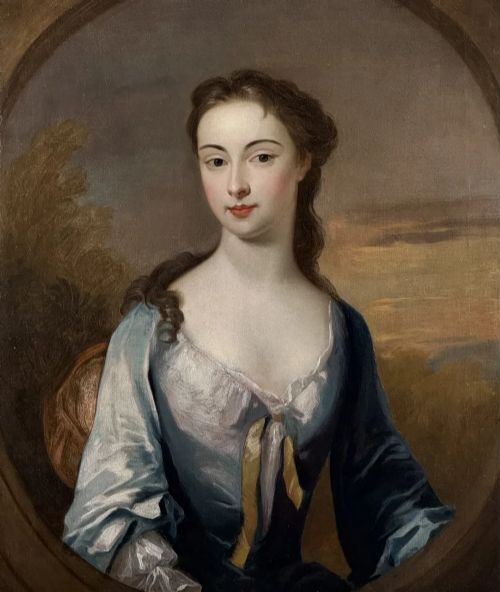
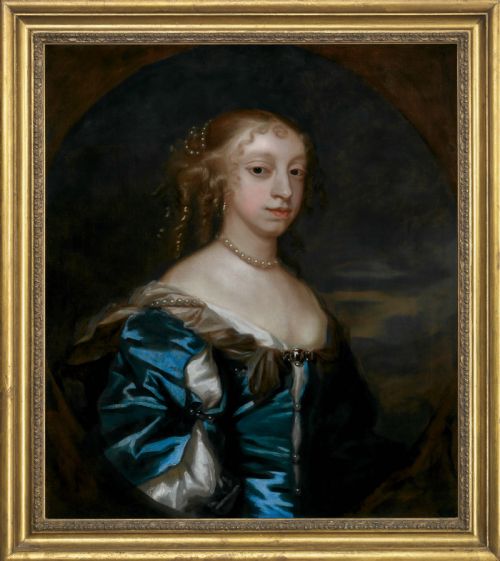
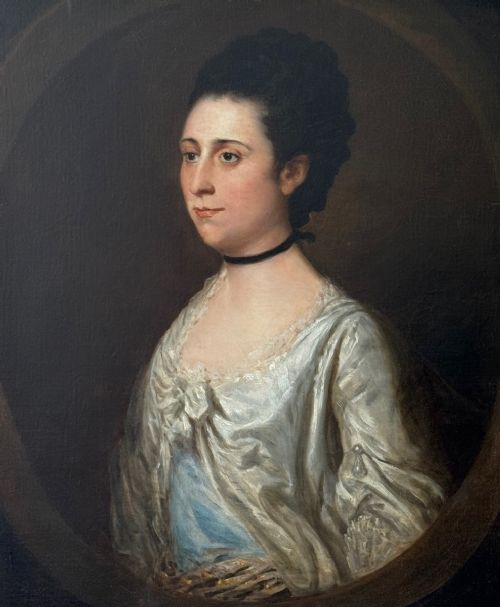
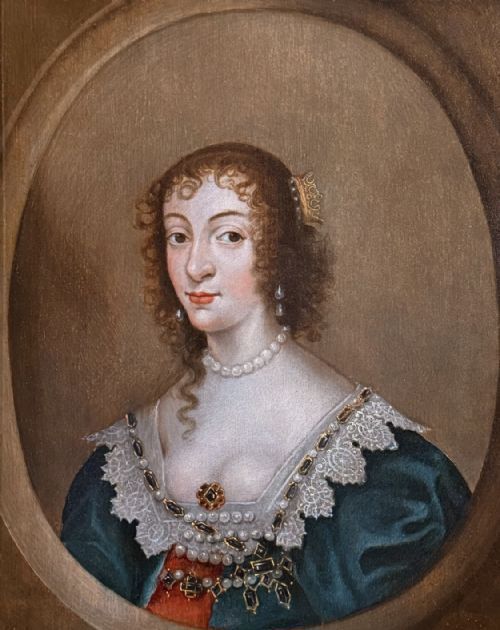
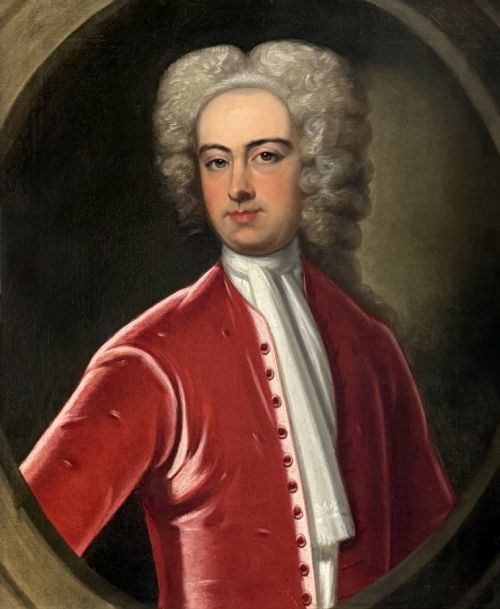
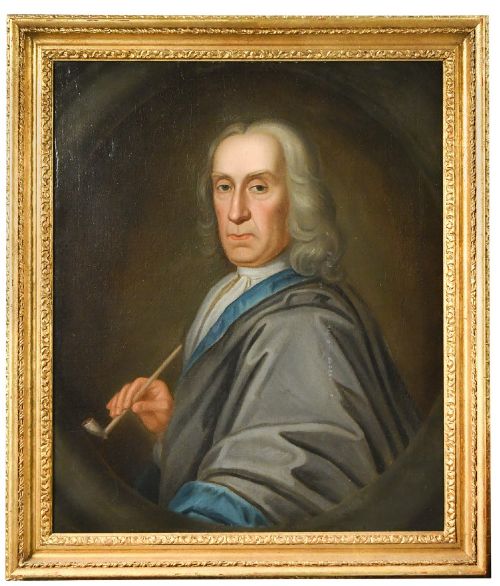
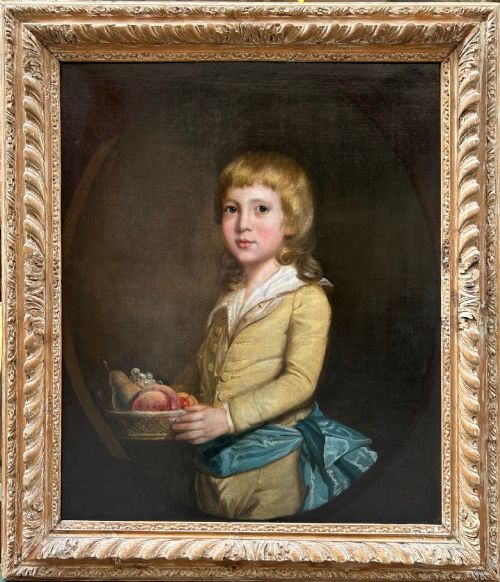
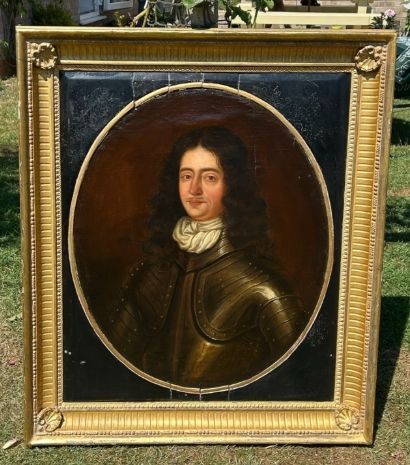
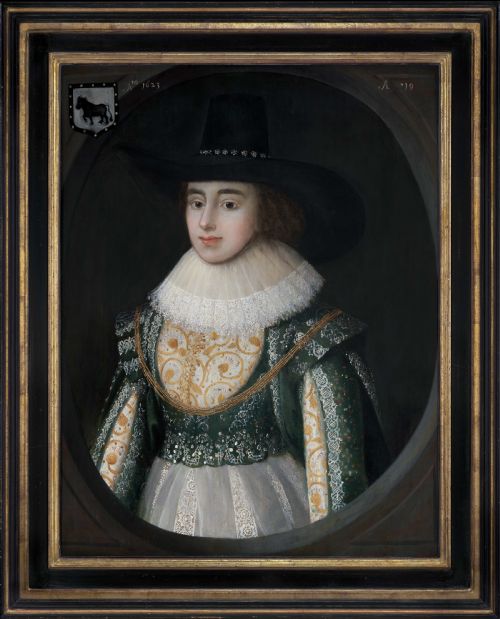
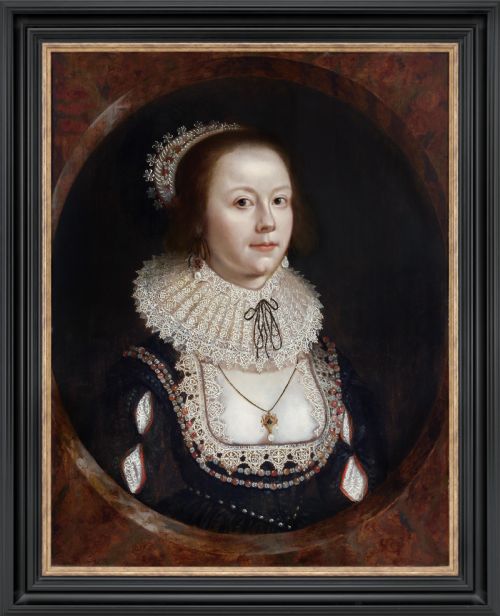
A feigned oval portrait painting employs a painted architectural border to create the illusion of a framed medallion on canvas.
What these portraits are
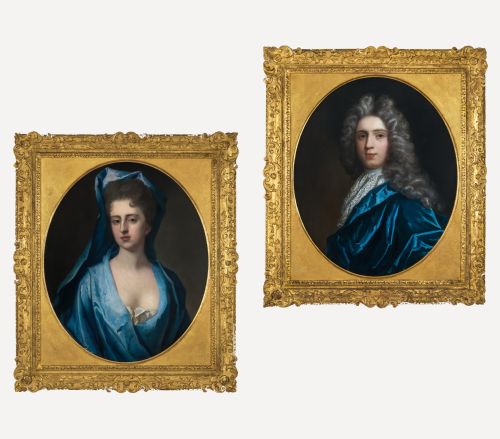
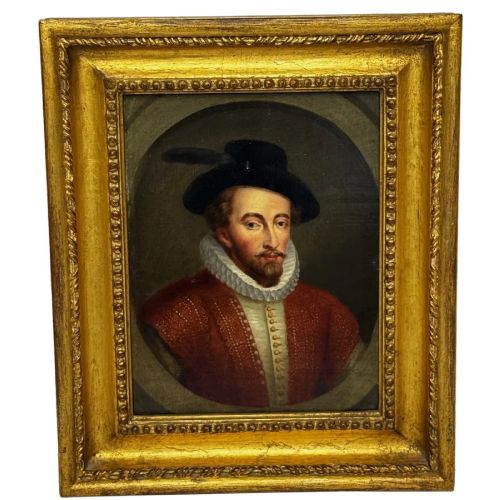
A feigned oval portrait painting presents a bust or half-length sitter inside a simulated trompe l'oeil stone or carved frame. These works span the late seventeenth and eighteenth centuries, reflecting Baroque and Georgian aesthetic conventions.
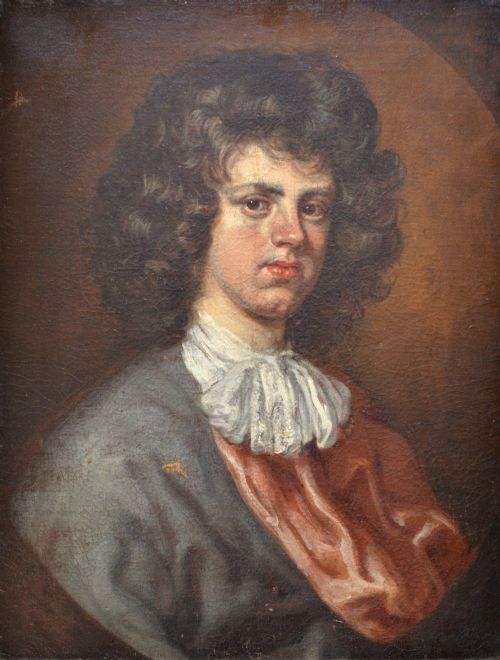
The compositions on this page include English and European school oils executed on canvas. Sitters range from named historical figures like John Ludford and Elizabeth Curteis to anonymous gentlemen and female beauties.
Makers and circles represented include Thomas Murray, George Knapton, Andrea Soldi, and followers in the circles of Mary Beale and Willem Wissing. Each piece captures elite appearance through traditional oil painting techniques.
How they were made
Artists built these works using oil paint applied to stretched canvas supports. The illusionistic oval border was carefully rendered in pigments to mimic the depth and shadow of carved wood or stone.
Original presentation often involved gilded wood or giltwood frames finished with gold leaf. Wood joinery and gesso preparation supported the heavy oil on canvas structures characteristic of the period.
Retail Price Guide 2026
Typical UK retail prices for feigned oval portrait painting, calculated from the Sellingantiques database of over a million retail prices indexed since 2003. This retail price guide relies exclusively on Sellingantiques data; no external sources or auction records are used, so the figures do not describe the wider market.
Every listing in this collection employs oil on canvas, paired with original or period-appropriate giltwood framing.
What varies in quality
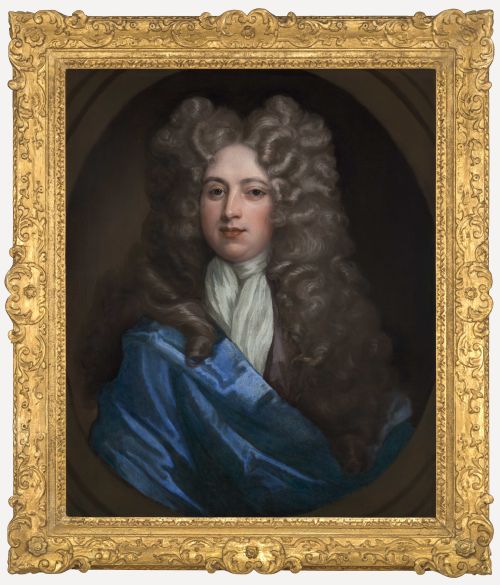
Mastery is evident in the handling of facial expression, fabric drapery, and periwig detail. Attribution to known practitioners or recognised circles elevates the historical standing of an individual canvas.
The sophistication of the feigned stone or gilt aperture demonstrates the artist's command of perspective and light. Superior works integrate the sitter seamlessly with the simulated framing device.
Thomas Murray·Mary Beale·George Knapton·Willem Wissing·Andrea Soldi
The Feigned Oval Portrait Painting Glossary
- Feigned oval
- A painted trompe l'oeil border that simulates a carved or stone oval frame surrounding the subject. This device directs the viewer's focus squarely onto the portrait bust.
- Periwig
- A voluminous men's wig popular in the late seventeenth and early eighteenth centuries. Its elaborate curls signify elite social status in portraiture of the period.
- Circle of
- A designation indicating an artist worked in proximity to a master, absorbing their style and technique. It denotes period authenticity without direct attribution.
- Giltwood
- Wood that has been decorated with a thin layer of gold leaf. Frames executed in this material complement the richness of oil paintings from the Baroque and Georgian eras.
Frequently Asked Questions
What is a feigned oval portrait painting?
A feigned oval portrait painting is an artwork featuring a sitter enclosed within a painted trompe l'oeil border. This technique creates the visual illusion of a three-dimensional stone or wooden frame.
Such works were fashionable in British and European portraiture during the late seventeenth and eighteenth centuries. They elevate the subject by presenting them within a classic medallion format.
How do I date these oil paintings?
Dating relies heavily on costume, periwig styles, and specific painting techniques visible in the canvas. Sitters often wear clothing and accessories characteristic of precise decades between sixteen-eighty and seventeen-fifty.
Attributions to known artists or regional schools also help establish the chronological context. Documentary evidence attached to the sitter or provenance records further refine the date.
Where were these portraits displayed?
These portraits hung primarily in the reception rooms, galleries, and staircases of grand country houses and town residences. They served to document lineage, display social standing, and commemorate family members.
The simulated oval framing allowed the canvases to harmonize with architectural wall paneling and carved wood interiors.
How should I care for an antique oil painting?
Maintain stable room temperatures and avoid direct sunlight to protect the canvas and oil pigments from fading or cracking. Keep the environment free from excessive moisture fluctuations.
Dust the surface gently with a soft, dry brush and consult a professional conservator for any structural repairs or cleaning.