
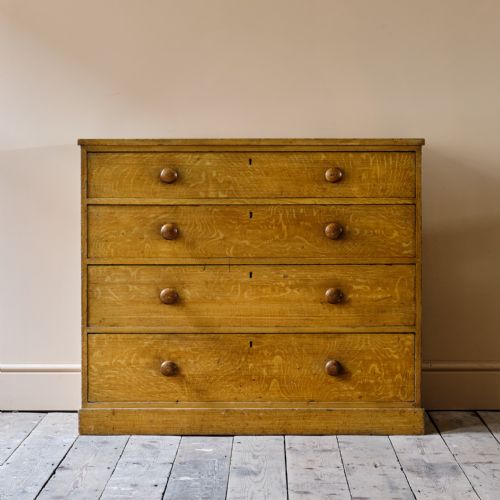


Faux Painted Chest Drawers
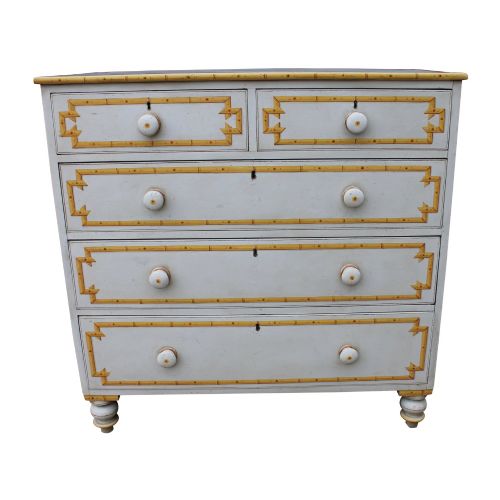
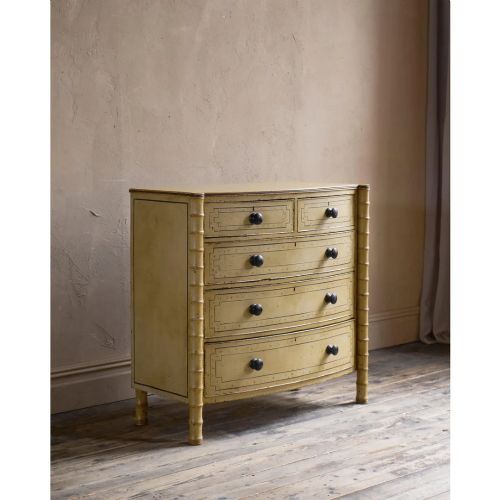
These faux painted chest drawers bring surface pattern and clever mimicry into a room, offering practical storage disguised as bamboo, marble, or grained timber.
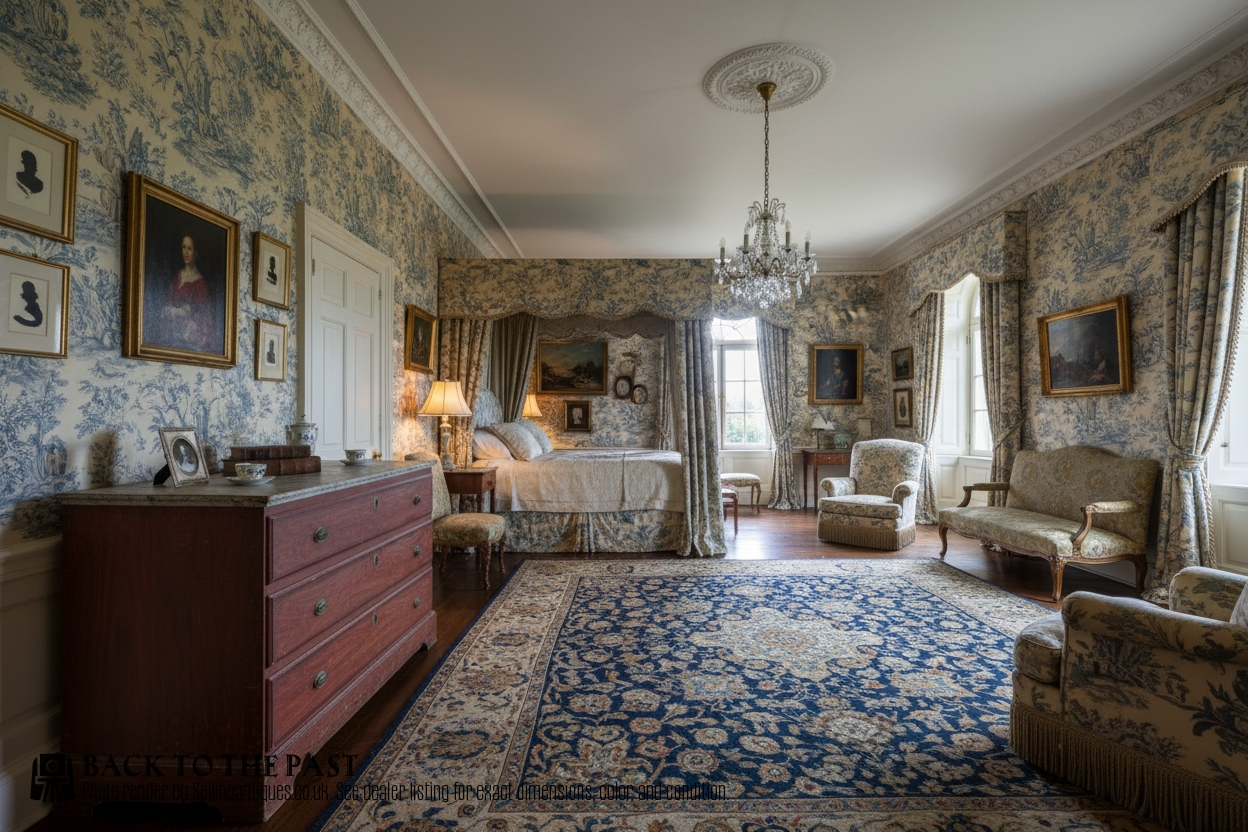
Faux Painted Chest Drawers
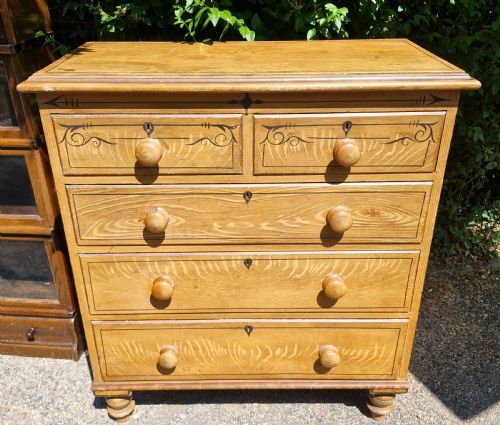
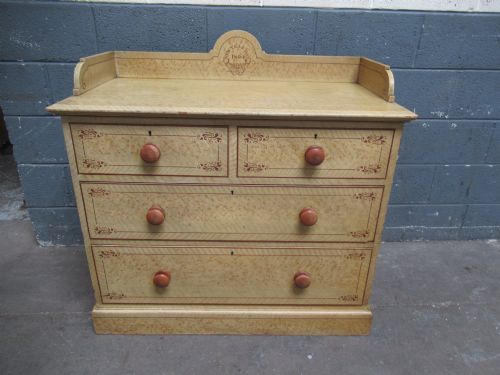
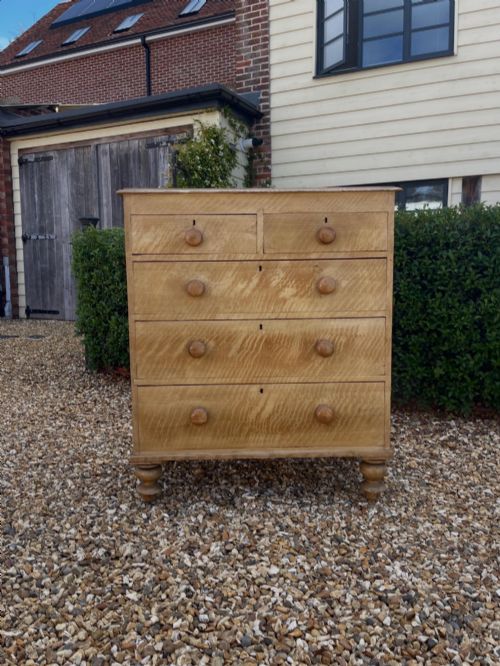
Faux painted chest drawers represent a tradition of surface deception, where common timbers receive elaborate finishes to imitate exotic woods, bamboo, or stone. Buyers seeking this phrase encounter pieces ranging from compact bedside miniatures to full-sized bedroom storage units.
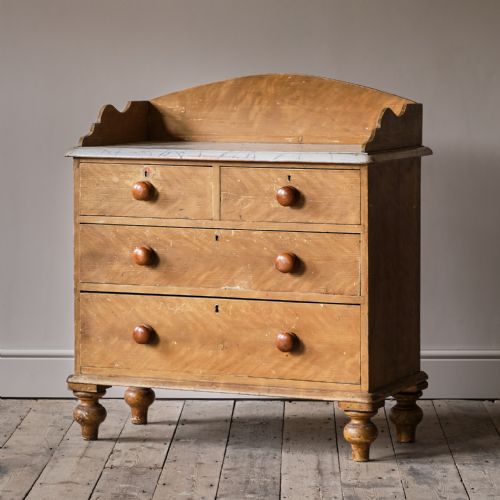
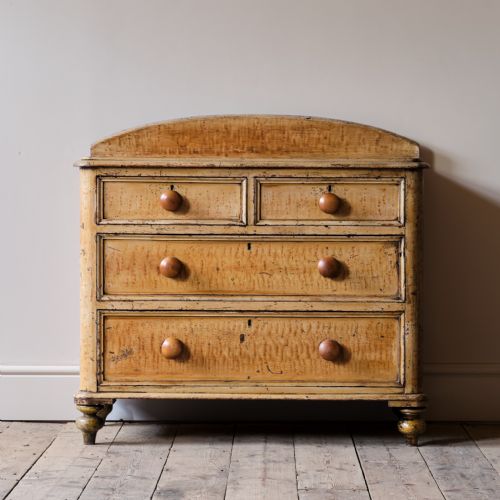
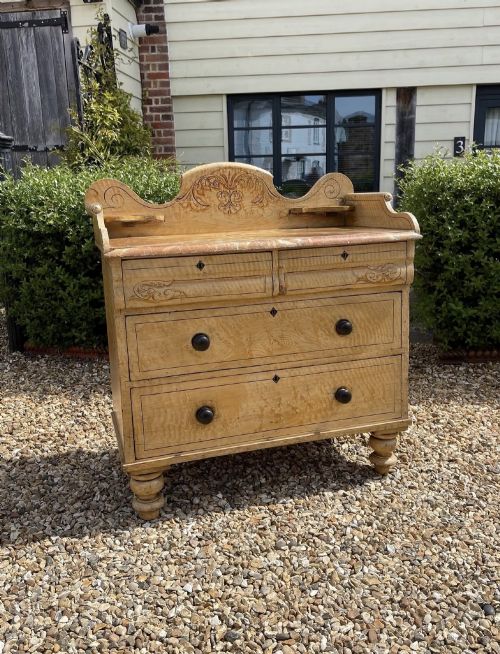
The versions most commonly met on this page date from the nineteenth century, including Victorian and Regency periods, alongside rustic country examples. These pieces often take the form of pine chests finished with scumble glazes, hand-painted details, or simulated graining.
Alongside standard chests of drawers, the selection occasionally expands to include dressing chests, washstands, and diminutive miniature furniture. Origins span English country houses and Swedish workshops, bringing varied regional interpretations of decorative painting to standard storage forms.
How they were made
Makers constructed the carcases primarily from pine and softwood, establishing a stable foundation for decorative surface treatment. Brass and iron hardware such as handles and escutcheons punctuate these painted timber fronts.
Craftsmen applied paint, scumble glaze, and ceramic elements to mimic costlier materials like bamboo or marble. Skilled brushwork created simulated graining and decorative schemes directly onto the wooden substrate.
Miniature chests were made as apprentice pieces or delicate tabletop novelties, condensing full-sized decorative painting skills into miniature dimensions.
What varies in quality
The success of the deception dictates quality, separating simple painted utility items from masterwork imitations. The precision of simulated bamboo turnings or the depth of a scumble glaze determines the visual impact of the surface.
Construction standards within the carcase, including drawer runners and dovetail joints, separate high-grade workshop production from rustic vernacular work. Originality of the painted finish remains paramount, as later overpainting diminishes historical integrity.
The Faux Painted Chest Drawers Glossary
- Scumble
- A translucent layer of dark glaze applied over a lighter painted ground to create simulated wood grain or texture. This technique allowed common pine to mimic rich hardwood timbers.
- Faux bamboo
- A decorative turning technique on wood that mimics the jointed stalks of natural bamboo. Artisans carved or moulded timber before painting it to complete the illusion.
- Simulated pine
- A painted finish applied to cheaper woods to imitate superior grades of timber. It reflects a long tradition of decorative surface economy in cabinet making.
- Mule chest
- A storage chest fitted with one or more drawers at the base beneath the main compartment. It bridges the gap between traditional blanket chests and modern drawer units.
Faux Painted Chest Drawers: Frequently Asked Questions
How do I clean a painted chest?
Dust gently with a dry, soft cloth to protect the fragile decorative surface layers from moisture damage.
Avoid chemical cleaning products entirely, as modern solvents strip historical paint and scumble glazes.
Are these pieces made of solid pine?
Most examples utilise solid pine or softwood for the primary carcase construction and internal drawer components.
Secondary timbers occasionally appear on backboards and drawer linings depending on the workshop origin.
What period do these chests come from?
The selection spans the nineteenth century, including Regency, Victorian, and later rustic country production periods.
Dates cluster heavily around the eighteen-hundreds through to nineteen-hundred, reflecting popular eras for decorative paint.
How do I spot original paint?
Examine the surface under natural light to check for microscopic craquelure and consistent wear patterns matching the age.
Look for traces of original ground colours beneath losses rather than flat modern emulsion layers.