





Fars Tribal Rug
A fars tribal rug brings nomadic artistry into a room, offering rich geometric patterns woven by confederacies in south-west Persia.
Fars Tribal Rug
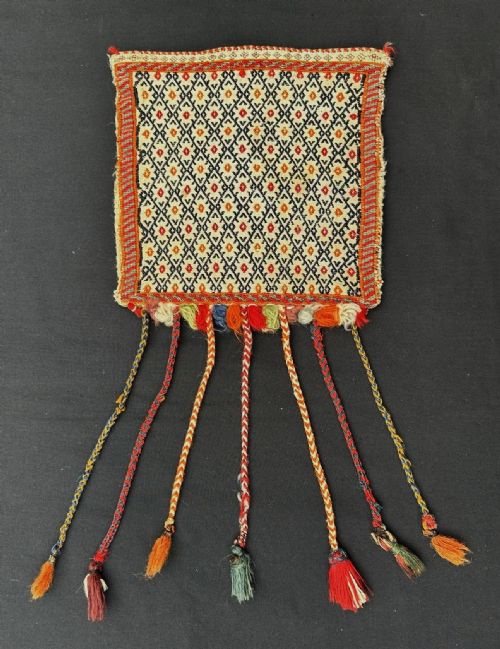
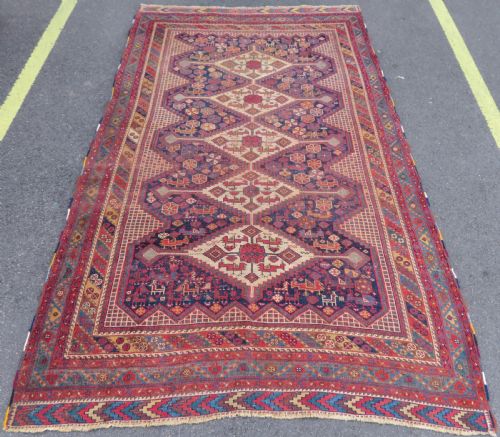
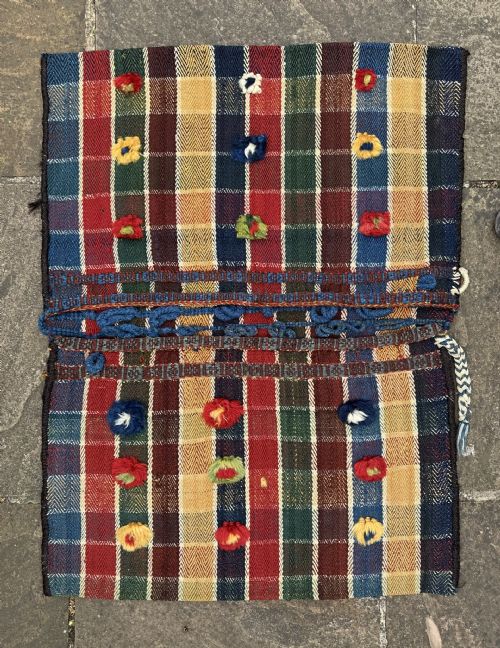
A fars tribal rug encompasses floor coverings, flatweaves, and utilitarian containers made by confederacies and tribes such as the Qashqa'i and Khamseh in south-west Persia. These pieces date from the late nineteenth century into the early twentieth century, reflecting the nomadic traditions of the Fars Province.
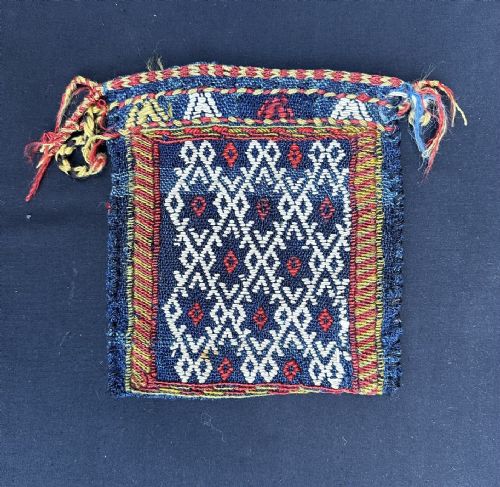
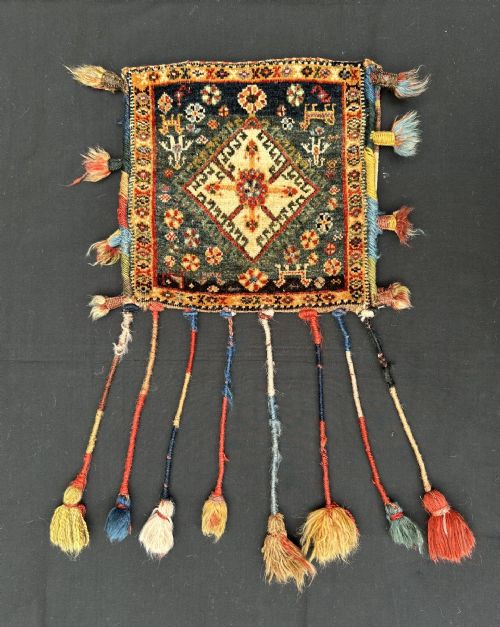
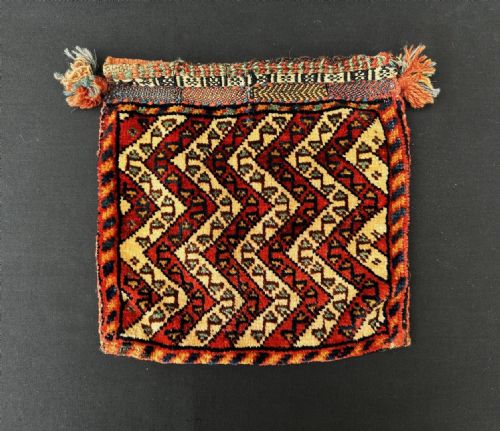
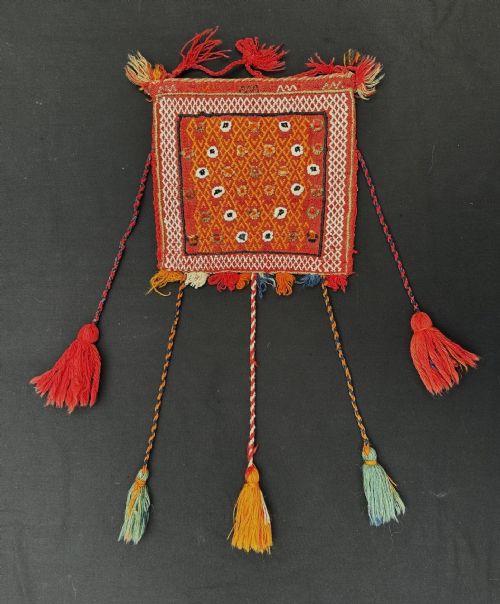
The most common forms encountered on this page include tribal rugs, kilims, and functional bags such as vanity-bags, salt-bags, and saddle-bags. These household and transport textiles were woven for daily nomadic life rather than commercial export.
Makers identified within these pieces belong to specific sub-tribes and tayefeh, including the Bolvardi, Kashkuli, Shekarlu, Darrehshuri, Baharlu, Rahimlu, and Shesh Boluki. Each group utilised distinct design vocabularies passed down through generations.
How they were made
Weavers constructed these textiles using hand-spun wool for the pile and structure, often paired with cotton foundations. Natural dyes provided the colour palette, yielding deep tones derived from local plant and mineral sources.
Nomadic households produced these items on portable horizontal looms set up in camps across the Fars Province. Materials such as leather, wood, and additional wool were integrated into functional objects like cradles, saddle-bags, and storage containers.
Fars Tribal Rug Retail Price Guide 2026
Typical asking prices for fars tribal rug among the pieces listed under this phrase on Sellingantiques today, from the lower quarter to the upper quarter. They describe what is for sale here now, not the wider market.
Nomads wove dedicated spindle bags just to carry the tools used for spinning their own wool.
What varies in quality
The quality of a fars tribal rug depends on the precision of the weave and the saturation of the natural dyes. Tighter knotting and finer wool preparation allow intricate geometric motifs to maintain clarity and depth.
Artistic expression distinguishes individual examples, as weavers varied the complexity of tribal medallions, animal motifs, and field patterns. Pieces that retain their original complete structure, whether a full carpet or a functional bag face, show greater integrity.
The Fars Tribal Rug Glossary
- Kilim
- A flatwoven textile produced without a pile, utilised as a floor covering or utility hanging. These pieces rely on the interplay of warp and weft threads to form geometric patterns.
- Tayefeh
- A sub-tribe or clan within a larger tribal confederacy. In Persian tribal weaving, specific design traits often trace back to these smaller kinship units.
- Moj
- A traditional patterned blanket or coverlet woven by nomadic groups. They display distinctive horizontal striping and supplementary weft-float patterns.
- Confederacy
- A large alliance of nomadic tribes operating under shared leadership in a region. The Qashqa'i and Khamseh are primary examples represented in Fars Province textiles.
Fars Tribal Rug: Frequently Asked Questions
How were tribal bags used?
Tribal bags served essential storage and transport functions in nomadic camps. Items such as salt-bags, vanity-bags, and saddle-bags carried personal possessions, provisions, and household goods.
Families also utilised specialised pieces like baby cradles and water-pipe bags within their daily routines. These utilitarian objects received the same artistic attention as larger floor carpets.
How do I identify sub-tribes?
Identifying specific sub-tribes involves examining the structural details, palette, and particular motif arrangements recorded in the weaving. Confirmed pieces often link directly to groups like the Kashkuli, Darrehshuri, or Shesh Boluki.
Dealer records and archival attributions help connect stylistic nuances to the exact tayefeh of origin. Regional characteristics within the Fars Province guide these classifications.
How do I live with these textiles?
Living with these textiles involves placing them in low-traffic areas or mounting them as wall hangings to protect the wool pile and flatweave structure. Proper placement preserves the integrity of nineteenth-century materials.
Keeping them away from direct sunlight protects the natural dyes from fading over time. Regular gentle rotation and careful cleaning maintain their appearance in a modern interior.