




Farmhouse Wooden Dining Bench
A farmhouse wooden dining bench brings immediate warmth to a room, offering practical, sociable seating fashioned from sturdy timber.
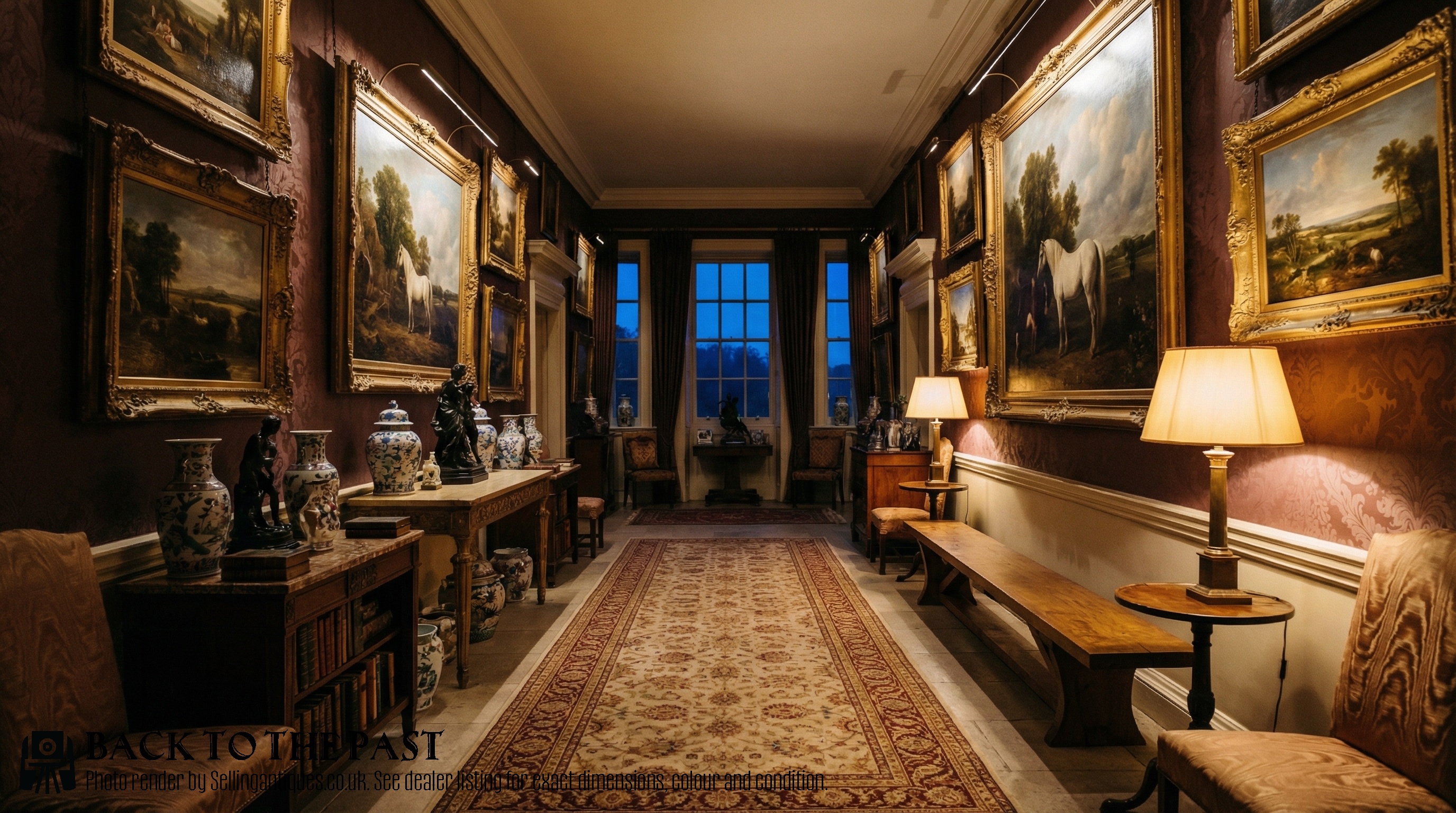
Farmhouse Wooden Dining Bench
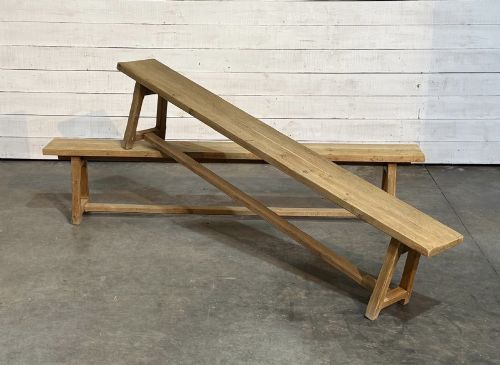
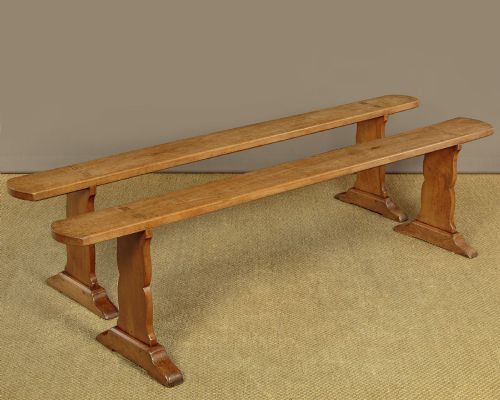
A farmhouse wooden dining bench provides long, communal seating around a table, replacing individual chairs with a single unbroken line. These pieces span the nineteenth and early twentieth centuries, drawing on rustic country traditions from England, France, and Wales.
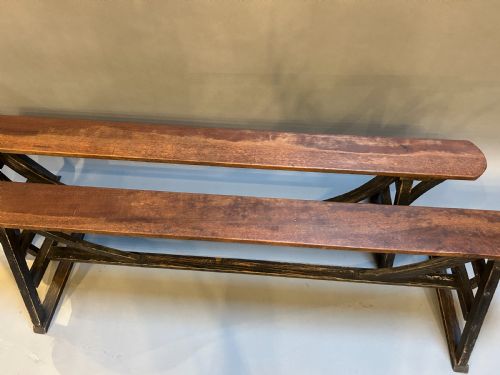
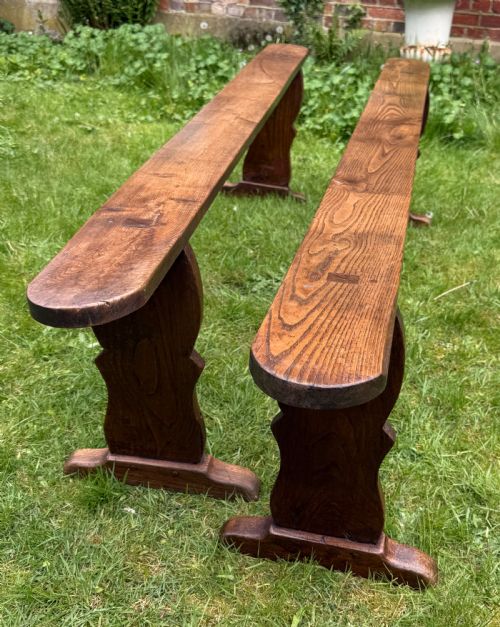
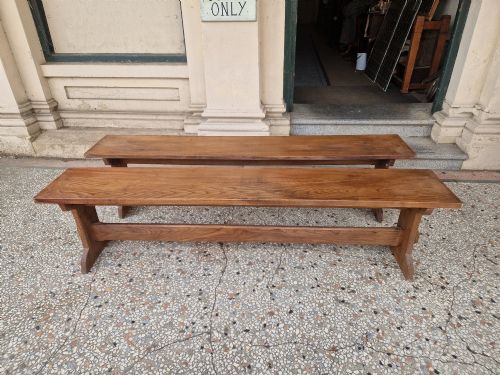
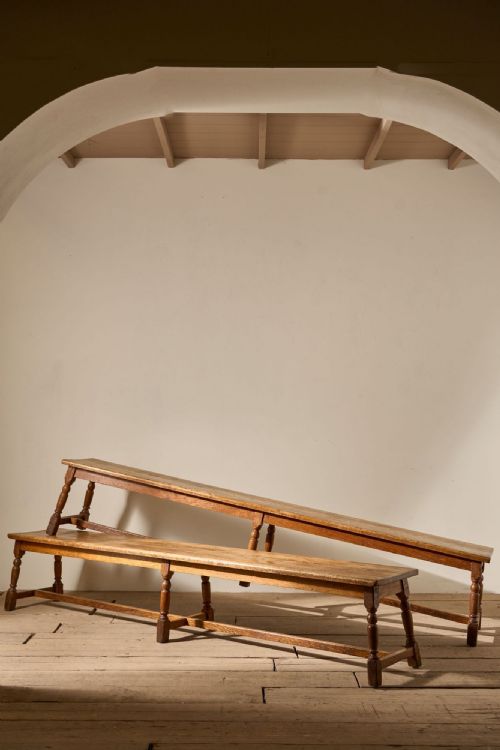
The versions most commonly found here include long pine and oak examples, often created for kitchens, taverns, or halls. Many appear as matched pairs, designed to flank substantial refectory or trestle tables.
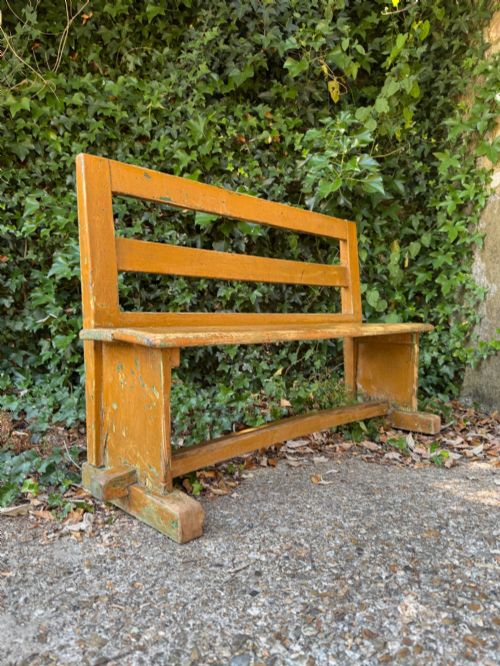
Forms range from simple plank-and-leg structures to panelled hall seats and scrubbed sycamore designs. They serve equally well for daily family meals or as side seating in an entrance hall.
Materials and Construction
Construction relies heavily on durable domestic and continental hardwoods and softwoods, predominantly oak, pine, elm, and cherrywood. Makers selected these timbers for their strength and resilience under heavy daily use.
Joinery techniques focus on stability, using solid planks fastened to sturdy frames and trestle supports. Surfaces often show the natural grain of the wood, though some examples feature original painted finishes or scrubbed textures.
The listings span the nineteenth and early twentieth centuries, featuring woods such as oak, pine, elm, cherrywood, sycamore, and softwood.
Evaluating Quality
Quality rests in the integrity of the timber and the honesty of the construction. Superior examples display dense, well-figured grain in woods like oak, elm, or cherrywood, showing minimal modern intervention.
Proportion and scale dictate desirability, particularly with exceptionally long benches designed for large dining spaces or taverns. The harmony between the top plank and the supporting base determines the overall balance of the piece.
The Farmhouse Wooden Dining Bench Glossary
- Refectory
- A long dining table or matching bench traditionally used in communal dining halls. These forms provide generous length for multiple diners.
- Trestle
- A structural support consisting of a horizontal beam fixed to two splayed legs. This design offers robust stability for long timber benches and tables.
- Settle
- A wooden bench with high back panels, solid arms, and often a storage box beneath the seat. They were designed to block draughts in traditional rooms.
- Scrubbed
- A finish achieved through repeated vigorous washing and scouring of wooden tabletops or benches. This process creates a pale, clean, matte surface on timbers like sycamore and pine.
Farmhouse Wooden Dining Bench: Frequently Asked Questions
How do I style a dining bench?
Position the bench alongside a matching refectory or trestle table to create an open, uncluttered dining arrangement. Leave enough clearance underneath for easy seating.
Soften the wooden surface with sheepskins, cushions, or folded textiles during colder months for added comfort.
Are these benches suitable for daily use?
These pieces were built from robust timbers like oak, pine, and elm specifically to withstand heavy, everyday domestic demands. Their solid construction handles regular sitting and family meals with ease.
Routine maintenance involves little more than wiping surfaces clean and occasionally nourishing the timber with appropriate wax or oil.
How do I determine the period?
Dating relies on tool marks, timber selection, construction methods, and wear patterns visible on the underside and joints. Nineteenth-century examples often display hand-sawn markings and traditional pegged joinery.
Comparing the style against regional country traditions, such as French provincial or English vernacular forms, helps narrow the date of origin.
What is the difference between oak and pine benches?
Oak benches offer a denser, heavier structure with a pronounced grain, typically associated with formal halls and substantial English or Welsh vernacular dining rooms. They develop a deep patina over centuries of use.
Pine benches provide a lighter, softer alternative that was widely utilised in nineteenth-century farmhouses and kitchens, often finished with scrubbed surfaces or painted details.