

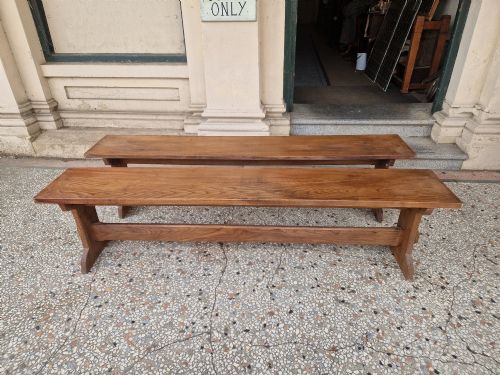


Oak Refectory Bench
An oak refectory bench provides sturdy, long-lasting seating rooted in centuries of communal dining traditions, offering robust construction and enduring character.
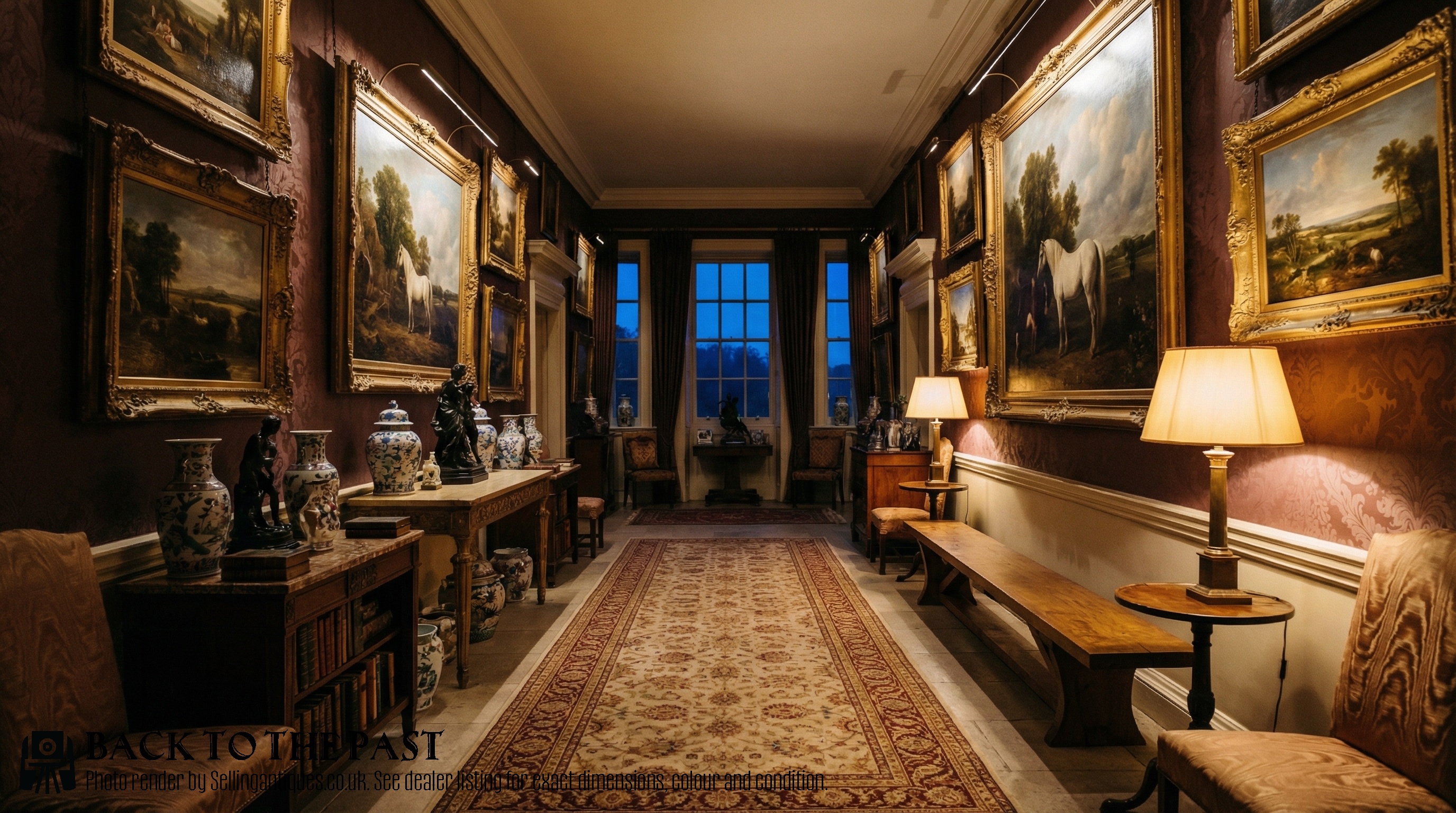
Oak Refectory Bench
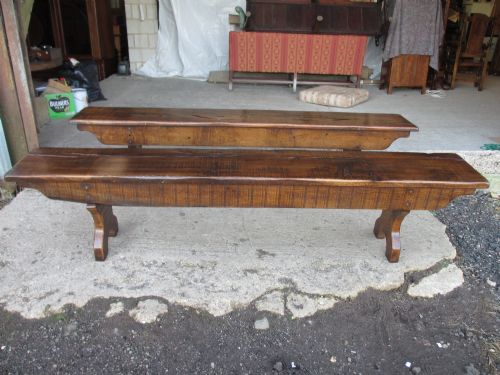
An oak refectory bench is a long, utilitarian seating form designed originally for monastic or communal dining halls, built to withstand heavy daily use. The examples found here span the nineteenth century, the Edwardian era, nineteen-twenty, and the Georgian period, reflecting diverse regional origins from English country workshops to French provincial makers.
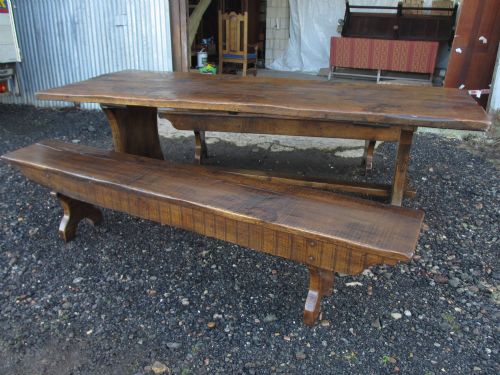
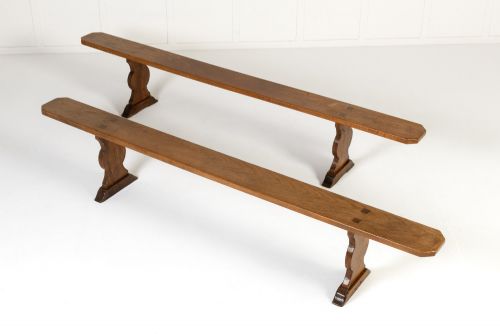
The primary forms on this page include long dining benches, paired seating designed to accompany refectory tables, and occasional variants such as hall benches or settles. Buyers encounter both single long benches and matched pairs intended to sit alongside substantial timber tables.
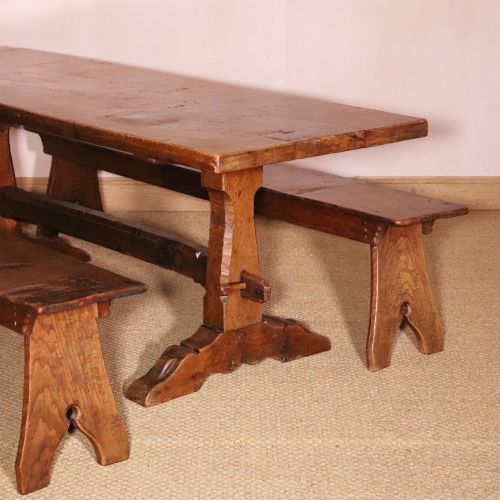
These pieces utilise sturdy timbers and often feature trestle ends, shaped supports, or carved details drawn from Jacobean, Flemish Renaissance Revival, and rustic farmhouse styles. They serve practical roles in modern dining spaces while retaining the robust proportions of their historical origins.
Materials and construction
Makers constructed these benches predominantly using solid oak, alongside supplementary hardwoods such as elm and native timber for secondary components. This dense wood provided the necessary structural integrity for long spans without central legs.
Joinery techniques relied heavily on pegged mortise and tenon joints, securing heavy boards together to handle the rigours of communal dining. Trestle ends and sturdy underframing distributed weight evenly across the floorboards.
Listings feature periods from the Georgian era through to nineteen-twenty, utilising solid oak, elm, and hardwood.
Factors determining quality
The quality of an oak refectory bench rests upon the selection of timber and the integrity of its structural framing. Dense grain patterns and heavy planks indicate superior material selection, whereas lesser pieces rely on thinner boards or mixed secondary timbers.
Proportion and surface finish distinguish finer examples from standard workshop production. Thoughtfully shaped trestle ends and natural surface patination demonstrate careful craftsmanship and superior age.
The Oak Refectory Bench Glossary
- Refectory bench
- A long wooden bench originally designed for communal dining halls. These pieces often feature trestle supports and heavy timber construction.
- Trestle ends
- Support structures at either end of a long bench or table, connected by a stretcher. They provide stability without obstructing legroom.
- Patina
- The surface sheen and colour developed by timber over decades of use and polishing. It serves as an indicator of age and handling.
- Mortise and tenon
- A traditional woodworking joint where a projecting tenon fits tightly into a corresponding mortise hole. It secures heavy frames without modern metal fasteners.
Oak Refectory Bench: Frequently Asked Questions
How do I choose the right length?
Measure your dining table and allow sufficient clearance for the bench to slide underneath when not in use.
Consider whether you want a single long bench spanning the table length or a matched pair of shorter benches.
Can I use these benches outdoors?
These historical timber pieces are intended primarily for interior domestic settings.
Exposing antique oak and elm to damp outdoor conditions will damage the wood and degrade the historic surface finish.
How do I clean antique oak?
Dust the timber regularly with a dry, soft cloth to prevent particulate buildup on the surface.
Avoid commercial silicone sprays and excess water, using only a slightly damp cloth followed by dry buffing if necessary.
Are these benches comfortable for daily dining?
Solid timber benches provide firm, upright seating suited to traditional dining arrangements.
Many owners add loose cushions or pads to soften the seat for longer gatherings around the table.