

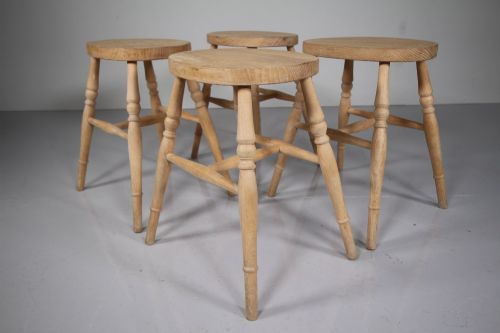
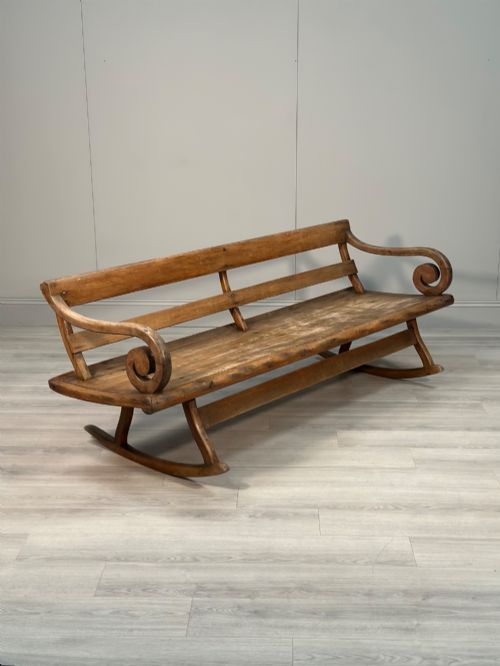
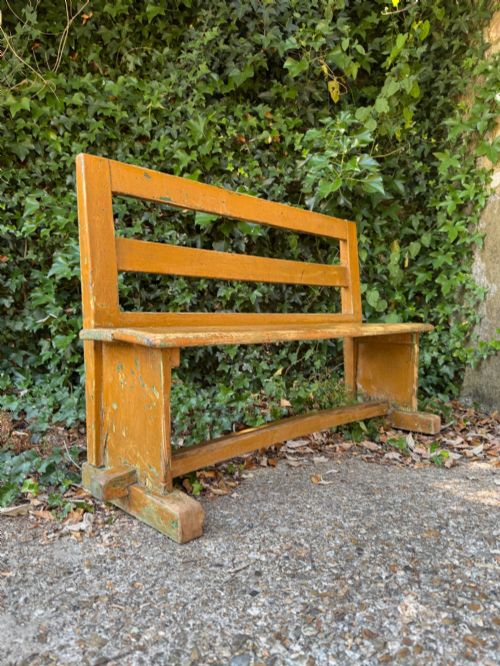

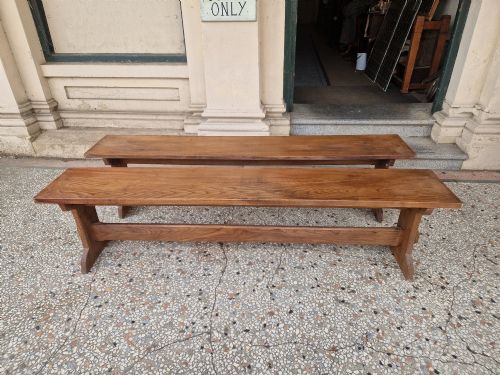




Farmhouse Wooden Bench Seat
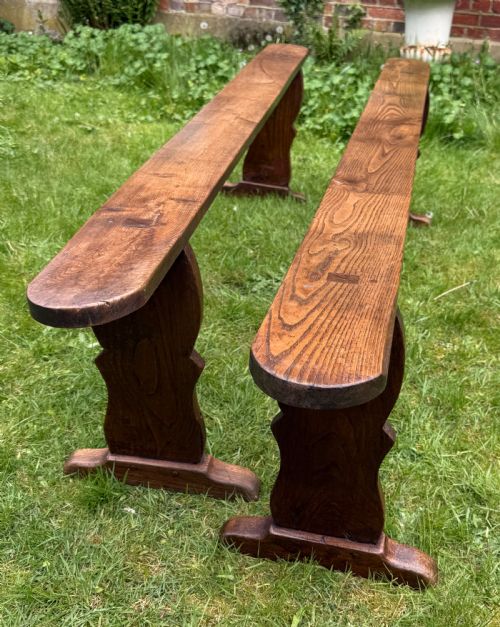
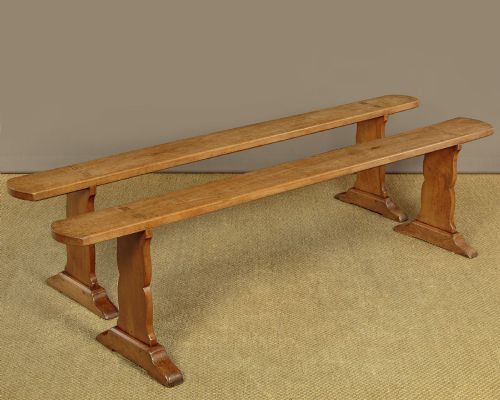
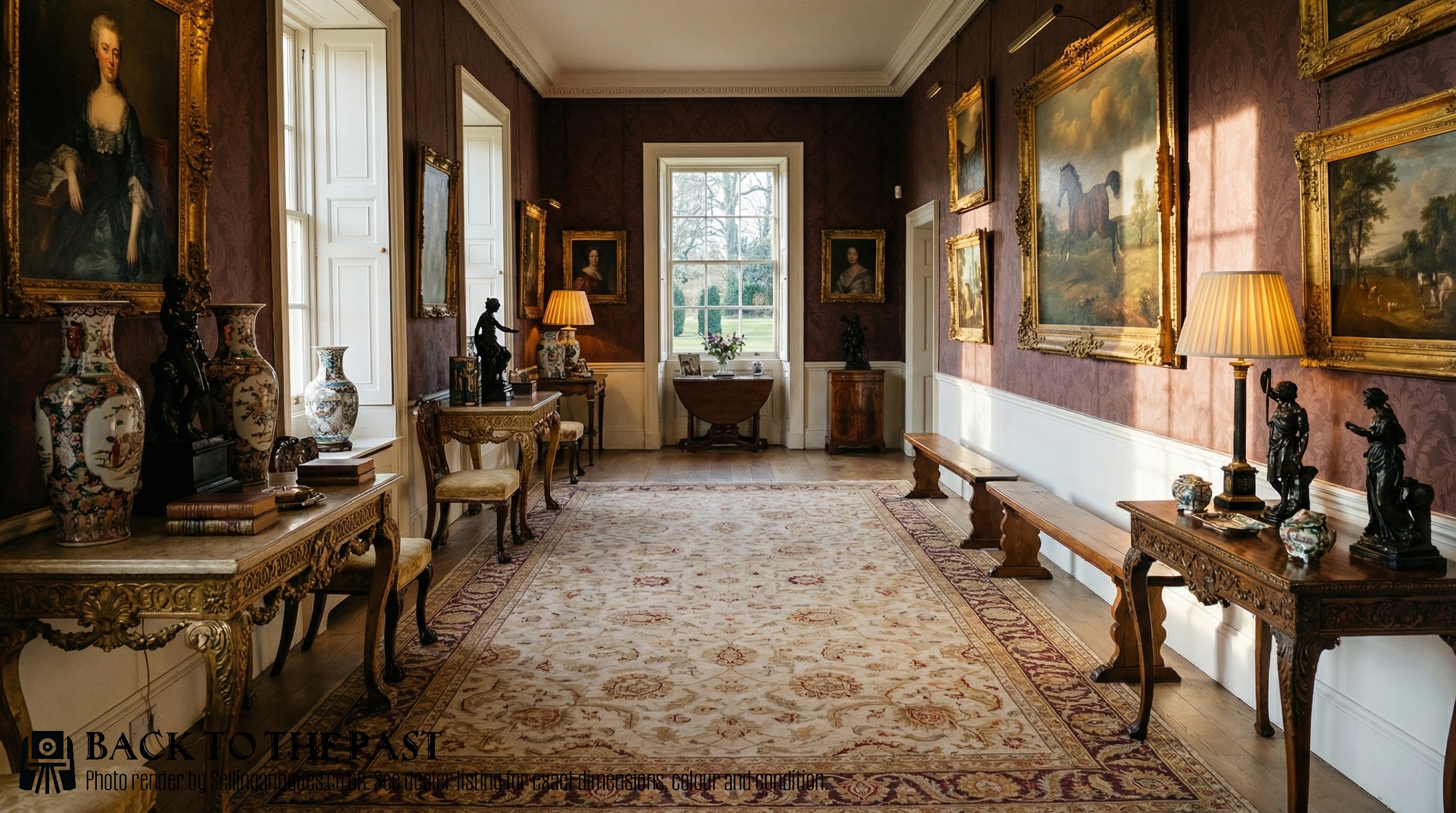
A farmhouse wooden bench seat brings honest grain and sturdy seating to a hallway or table.
Farmhouse Wooden Bench Seat
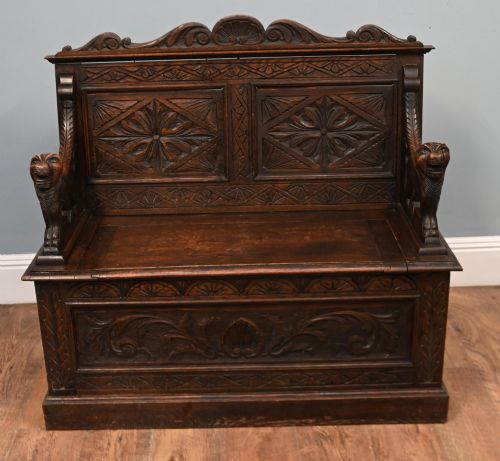
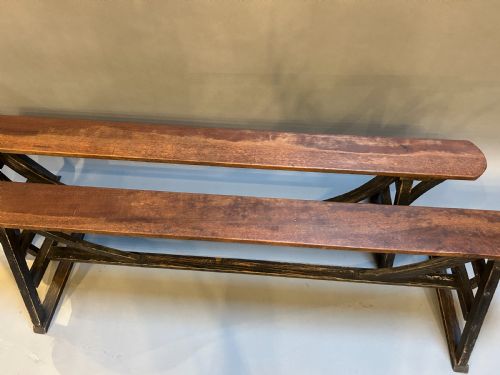
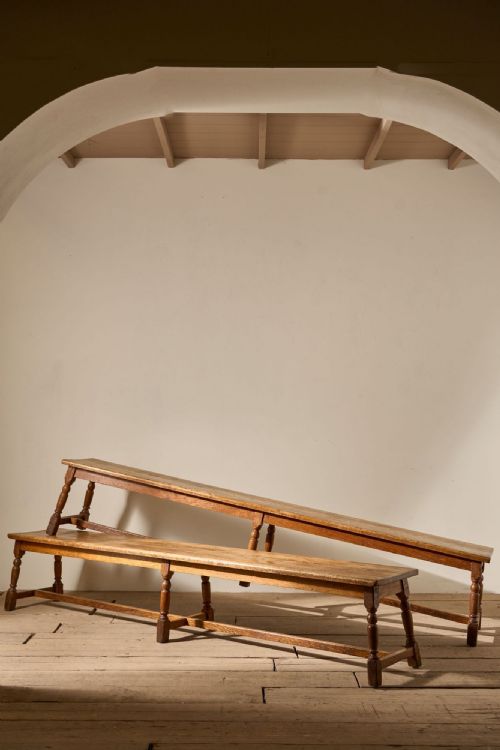
When searching for a farmhouse wooden bench seat, buyers encounter robust utility pieces spanning the nineteenth and early twentieth centuries. These range from simple pine boards to long oak dining benches and high-backed settles originating across English, French, and Austrian country houses.
The pine and oak variants dominate the selection, often appearing in considerable lengths suitable for refectory tables or hall placement. Elm, cherrywood, and chestnut examples also surface, showing regional European craftsmanship from the Victorian and Edwardian eras.
Materials and construction
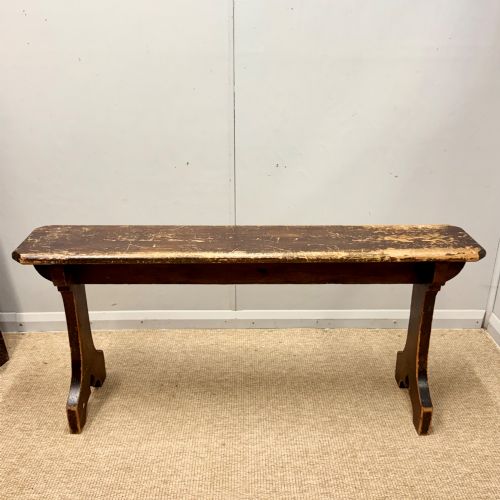
Makers utilised solid timbers such as pine, oak, elm, and cherrywood, selecting woods available locally to the workshop. Construction methods prioritise durability, employing heavy planks, trestle supports, and pegged joints to withstand daily domestic use.
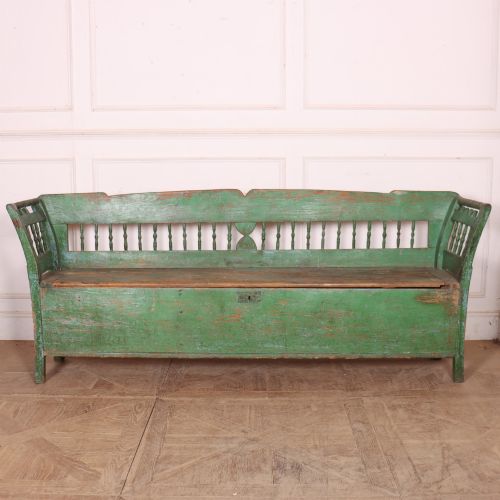
Surface treatments vary from natural waxed grain and bleached finishes to original painted coats. Some pieces demonstrate scratch-built country construction, reflecting the utilitarian needs of rural households without superfluous decoration.
Farmhouse Wooden Bench Seat Retail Price Guide 2026
Typical asking prices for farmhouse wooden bench seat among the pieces listed under this phrase on Sellingantiques today, from the lower quarter to the upper quarter. They describe what is for sale here now, not the wider market.
Styles span English, French, Austrian, and general rustic country aesthetics from the Victorian and Edwardian periods.
Assessing quality in country seating
Quality rests in the integrity of the timber and the honesty of the construction, where substantial thickness in the seat boards commands attention. Length and proportion also dictate standing, as exceptionally long dining pairs or deep settles require superior structural support.
Surface patination separates standard examples from the finer survivals. Retained original paint or deep, untouched wax finishes on dense oak, elm, or cherrywood elevate a piece above routine utility.
The Farmhouse Wooden Bench Seat Glossary
- Settle
- A wooden bench with a high back, solid arms, and often a storage box beneath the seat. It was designed to block draughts in traditional farmhouses.
- Refectory bench
- A long, narrow seating form traditionally paired with a communal dining table. These pieces often measure six feet or more in length.
- Trestle
- A structural support consisting of a horizontal beam fixed to two splayed legs. This method allows maximum legroom along the length of the bench.
- Patina
- The surface sheen and colour acquired by wood through decades of handling, polishing, and exposure to light. It serves as a visual indicator of age.
- Scratch built
- A term denoting an item made independently by a local carpenter or household member using available materials rather than commercial workshop patterns.
Farmhouse Wooden Bench Seat: Frequently Asked Questions
How do I choose the right length for a dining table?
Measure the clear space between the table legs to ensure the bench slides underneath when not in use. Longer examples work best when matched to refectory or trestle tables of similar proportions.
Consider whether you want the seat to run the full length of the table or sit slightly tucked within the span. A well-proportioned pairing leaves adequate room for diners to sit comfortably at the ends.
Where should I place a high back settle?
A high back settle performs well in hallways, entrance lobbies, or against kitchen walls where it provides both seating and a windbreak. The solid back acts as a physical partition in open-plan spaces.
Ensure the room has sufficient depth to accommodate the substantial frame without crowding walkways. Placing the piece away from direct heat sources protects the aged timber from drying out.
Are painted finishes original?
Original painted surfaces show craquelure, wear patterns, and underlying layers consistent with age. Austrian and continental pieces frequently retain their historic decorative coats.
Examine the edges and high-contact areas where natural friction removes paint over generations. Modern overpainting alters the character, so look for undisturbed layers that match the period of the wood.
Can these benches be used outdoors?
Most antique country benches use historic joinery and adhesives that degrade rapidly when exposed to moisture and temperature fluctuations. They belong primarily in indoor dry environments.
Using nineteenth-century pine or oak seating outside risks warping the timber and destroying delicate patination. Keep them inside to preserve the structural integrity and surface finish.