

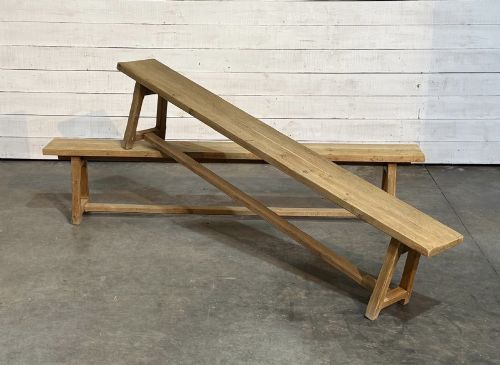
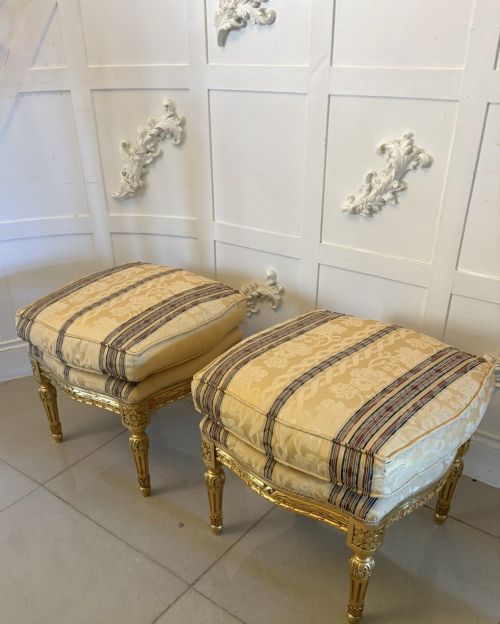
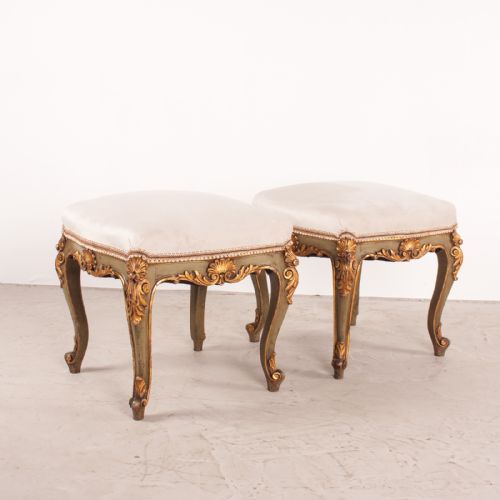
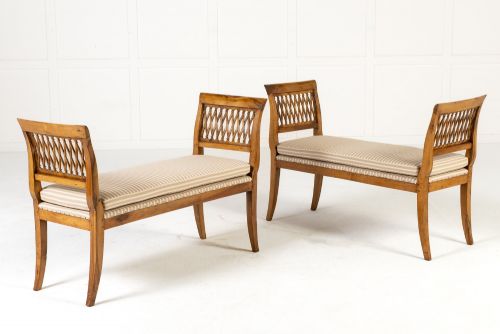
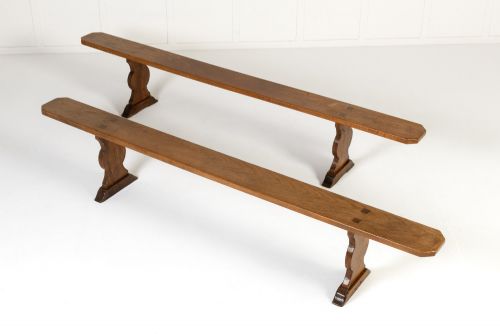

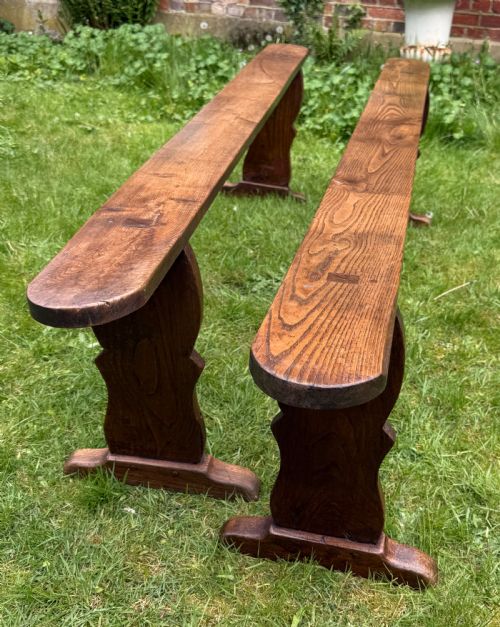
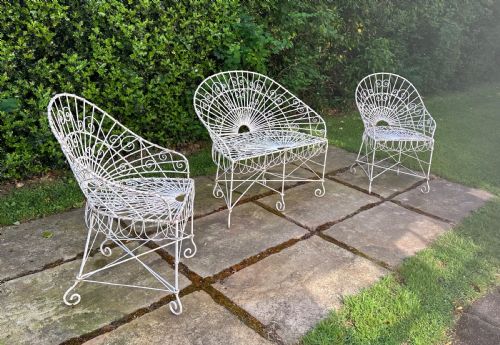
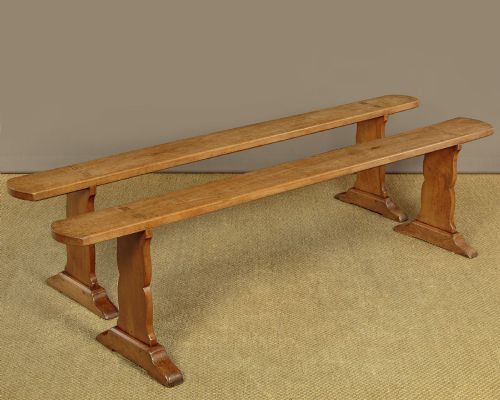


Antique French Bench Pair
An antique french bench pair brings genuine regional character and practical seating to a hallway, garden or dining space.
Antique French Bench Pair
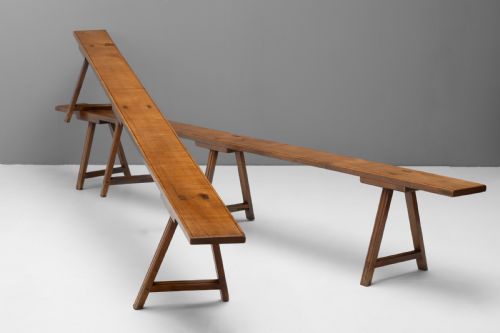
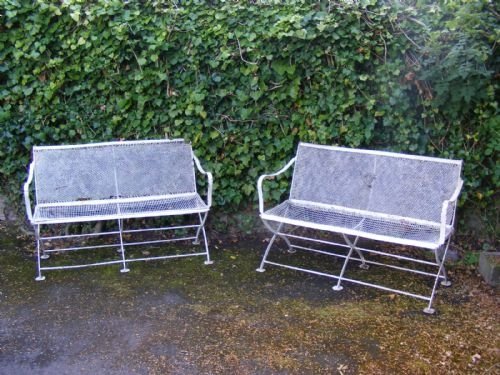
An antique french bench pair consists of matching seating forms originating from France, spanning provincial kitchens, grand halls, and sheltered gardens. When searching for an antique french bench pair, a buyer encounters everything from rustic fruitwood and cherrywood dining benches to walnut window seats and cast iron garden furniture.
The selection ranges widely in scale and material, reflecting both formal salons and rural farmhouses. Survivors include elm country benches, oak pew seats, and painted or gilded continental stools from the nineteenth century.
Most examples found here date from the nineteenth and early twentieth centuries, capturing distinct regional traditions across France. These pairs offer balanced symmetry for interior placement alongside matching tables or flanking fireplaces.
How They Were Made
Cabinetmakers utilised dense native hardwoods such as walnut, cherrywood, fruitwood, oak, and elm to construct sturdy frames designed for daily use. Joinery techniques relied on traditional pegged mortise and tenon joints to ensure long-term stability without modern metal fasteners.
Outdoor iterations employ durable cast iron and wrought iron, often cast in detailed gothic or decorative patterns suitable for garden environments. Upholstered variants incorporate velvet and gold leaf alongside painted surfaces to achieve a more formal continental aesthetic.
Antique French Bench Pair Retail Price Guide 2026
Typical asking prices for french bench pair among the pieces listed under this phrase on Sellingantiques today, from the lower quarter to the upper quarter. They describe what is for sale here now, not the wider market.
Cast iron garden benches sometimes bring their own miniature chairs along for the party.
What Varies in Quality
Quality rests upon the integrity of the timber and the purity of the regional design, distinguishing simple utilitarian seating from refined salon pieces. Timber selection matters greatly, with older fruitwood and walnut displaying rich grain depth and honest patination accumulated over generations.
The sophistication of the carving or casting defines the upper tier of the range, seen in crisp decorative details on revival walnut frames and crisp ironwork on garden sets. Original surface treatments, whether aged paint, gilt, or untouched waxed timber, elevate the standing of any pair significantly.
Val D Osne
The Antique French Bench Pair Glossary
- French Provincial
- Furniture originating from the regions outside Paris, reflecting practical local craftsmanship and regional timber preferences. These pieces prioritise functional durability alongside simple rustic charm.
- Window Seat
- A long, narrow bench specifically proportioned to sit beneath a window recess. They often feature upholstered tops or carved wooden frames designed for interior rooms.
- Refectory
- A long dining table or associated benches traditionally used in communal dining halls. In this context, it describes robust benches built to accompany long dining settings.
- Patina
- The surface sheen and textural depth developed by wood, metal, or paint through decades of handling and ageing. A desirable patina shows genuine history rather than artificial distressing.
- Gilt
- A thin layer of gold leaf applied to the surface of wood or gesso to impart a decorative metallic finish. It appears frequently on more formal continental seating pairs.
Antique French Bench Pair: Frequently Asked Questions
Where do I put a bench pair?
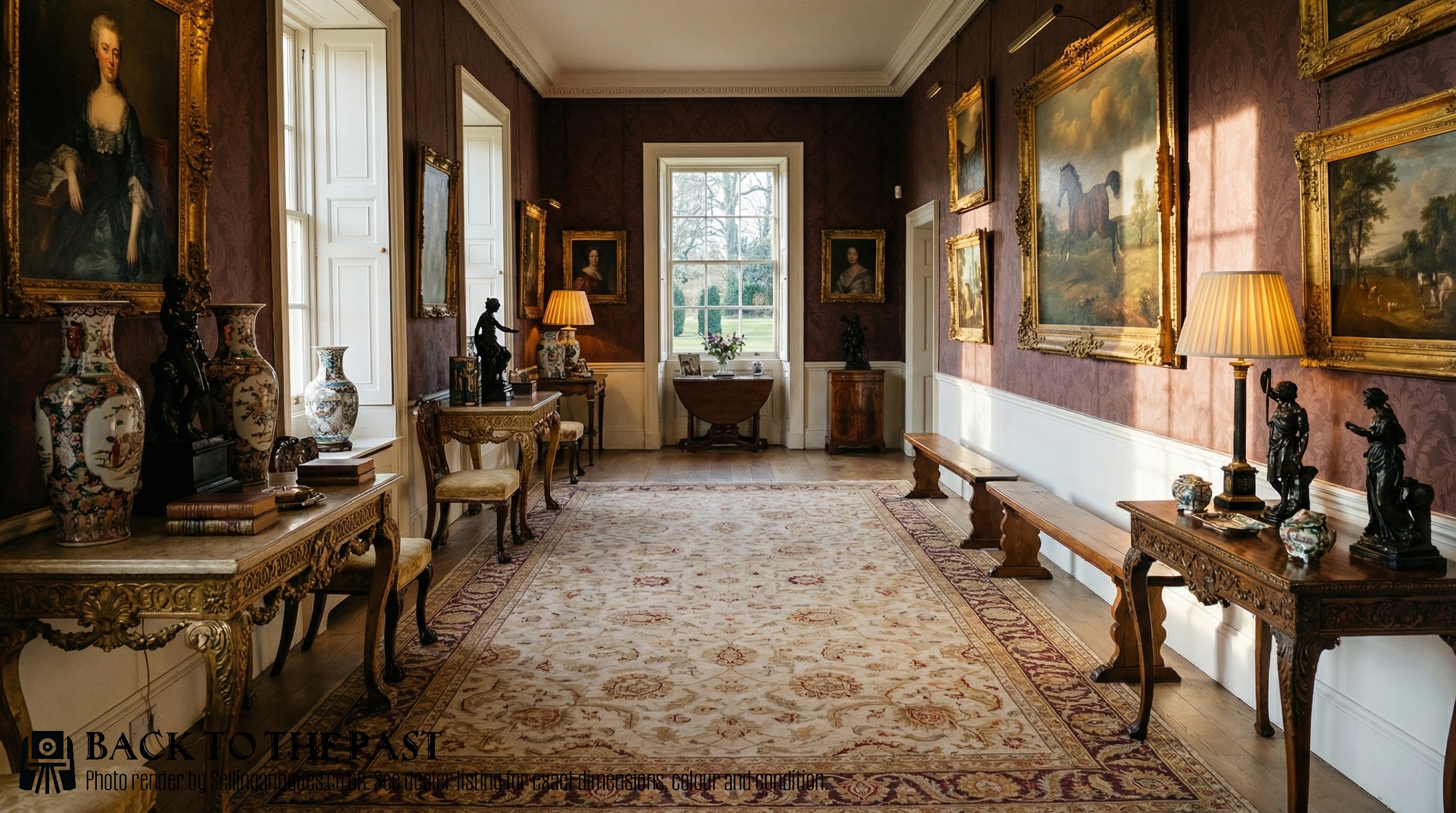
These matching seats suit long hallways, grand entryways, or flanking a large dining table in a kitchen.
Outdoor versions fit naturally along garden paths, on patios, or within sheltered conservatory spaces.
How do I clean old wood?
Maintain the timber surfaces using a soft cloth and traditional beeswax to nourish the dry grain without stripping the accumulated history.
Avoid modern chemical sprays or excessive water, which can damage nineteenth-century finishes and fragile patination.
Are these seats comfortable?
Wooden provincial and kitchen benches were built for utility and often feature carved contours designed for upright seating during long meals.
Upholstered window seats and padded stools offer softer support, though many buyers add custom cushions for extended lounging.
How do I date an iron bench?
Cast iron garden pieces often reveal their age through the crispness of the foundry work, bolt construction, and the texture of the weathered metal surface.
Nineteenth-century examples frequently display heavier casting and distinct foundry marks compared to later twentieth-century reproductions.