

Farmhouse Dining Set
A farmhouse dining set brings practical country character to a room, offering sturdy seating through matched groups of chairs and tables.
Farmhouse Dining Set
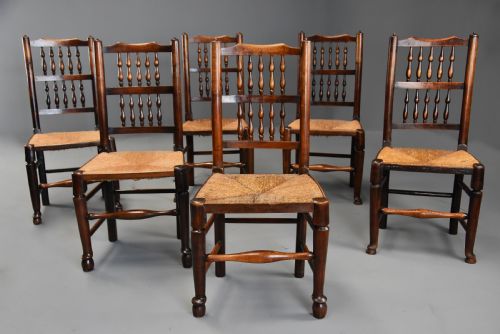
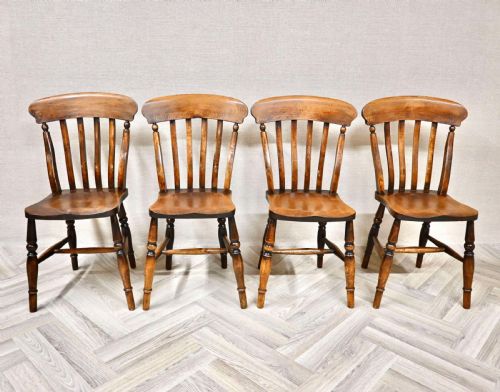
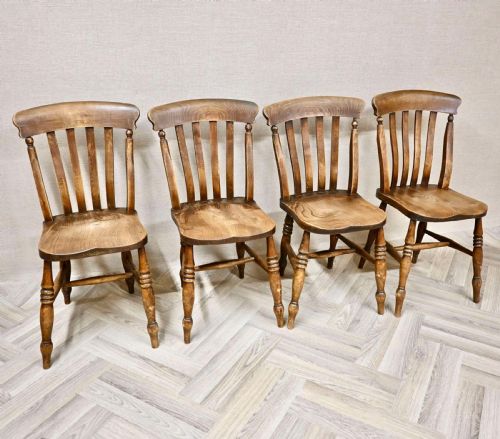
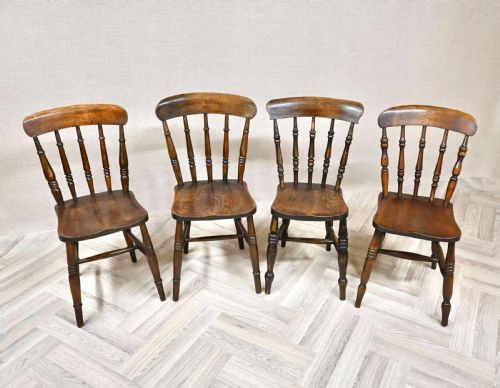
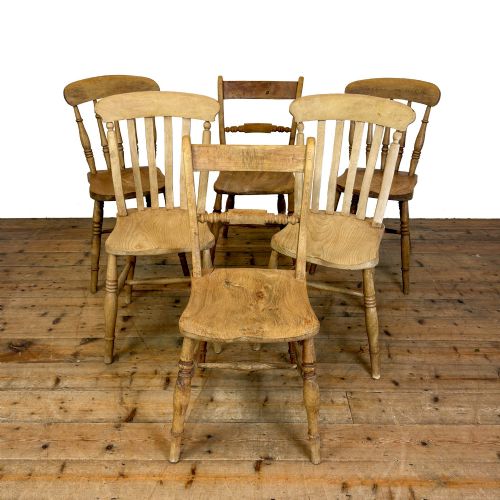
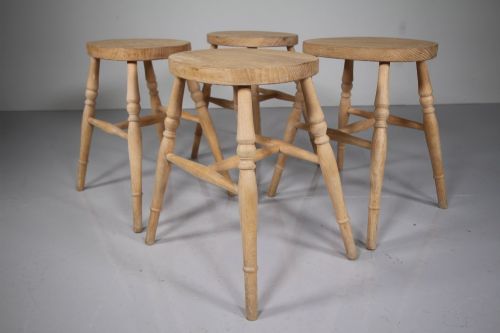
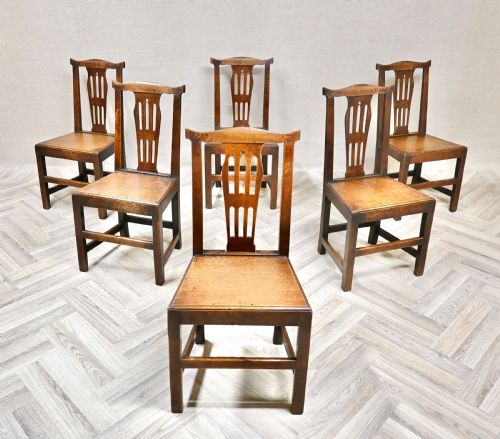
A farmhouse dining set brings together groups of utilitarian seating built for everyday domestic use in rural homes. Buyers searching for a farmhouse dining set encounter matched collections and harlequin groups designed around traditional kitchen and dining tasks.
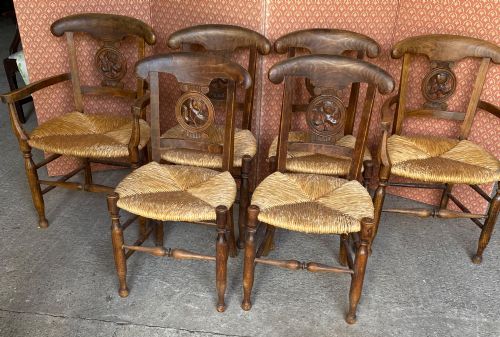
The pieces appearing here span from the seventeenth century through to the early twentieth century, taking in Georgian, Victorian and Edwardian eras. Regional vernacular styles dominate, ranging from English and French provincial designs to specific local chair patterns.
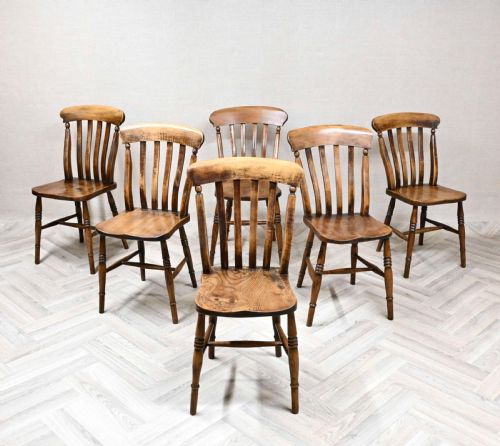
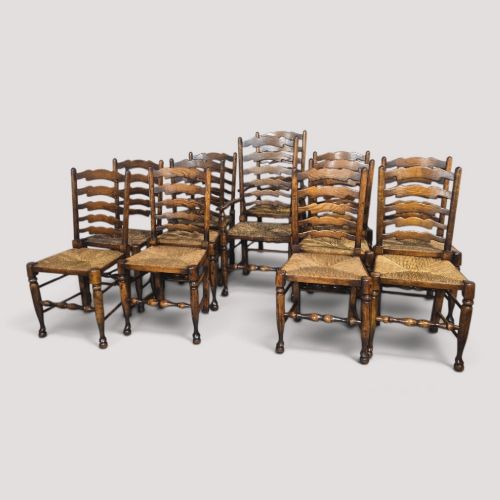
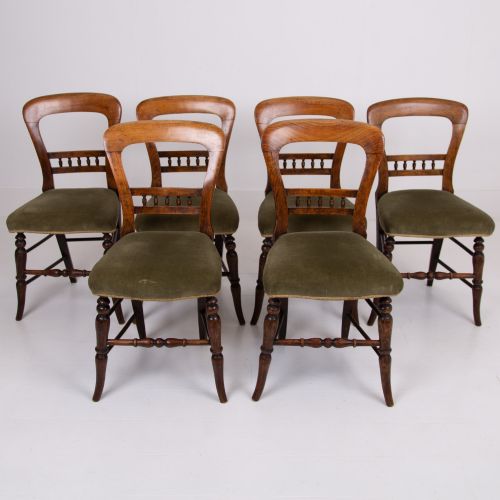
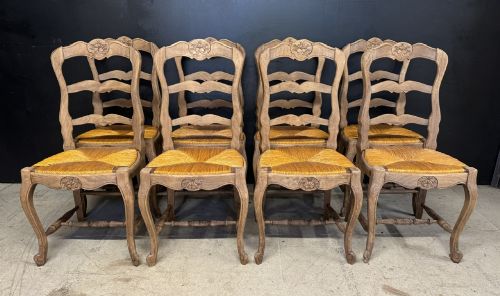
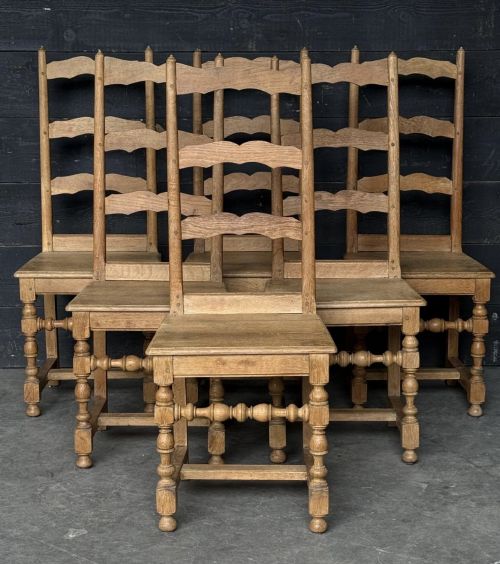
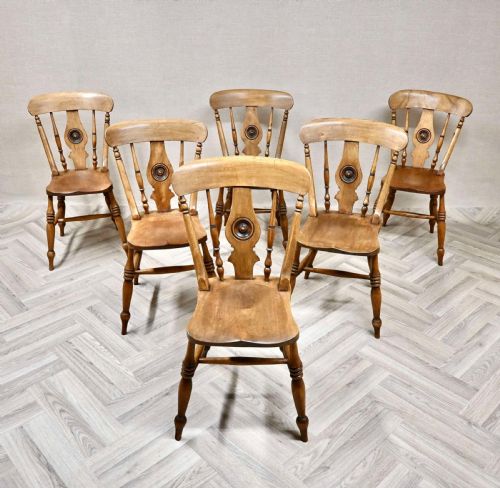
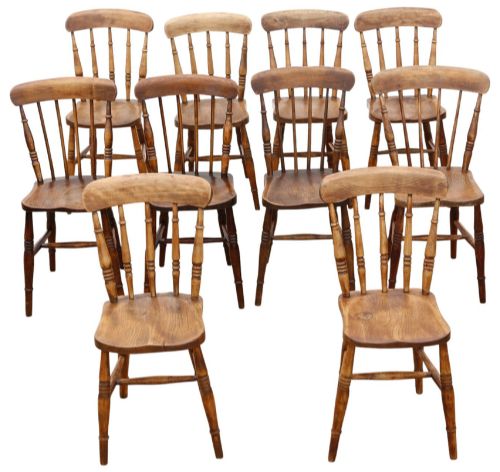
Most selections consist of dining chairs, Windsor variations, and ladder backs gathered in sets of four, six, eight or ten around a central table. Hardwood constructions ensure these sets retain their functional purpose after generations of daily service.
How they were made
Cabinet makers and bodgers relied upon regional hardwoods such as oak, ash, elm, beech and pine to build durable frames. Turnery techniques shaped spindle backs, legs and stretchers on lathes before assembly using traditional mortise and tenon joints.
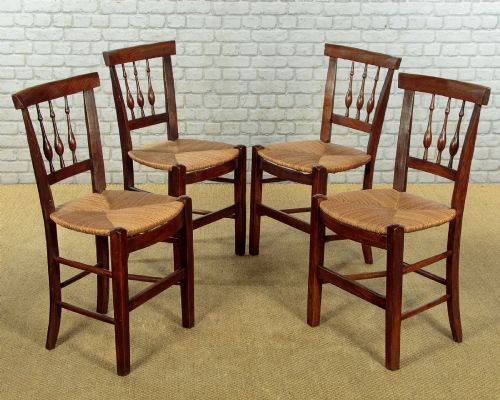
Seat construction often involved solid elm saddles hollowed for comfort, alongside rush weaving for ladder back designs. Timber selection balanced flexible woods for steam-bent hoops with rigid timbers for load-bearing legs.
Farmhouse Dining Set Retail Price Guide 2026
Typical asking prices for farmhouse dining set among the pieces listed under this phrase on Sellingantiques today, from the lower quarter to the upper quarter. They describe what is for sale here now, not the wider market.
Nineteenth-century chair bodgers worked deep in woodland clearings, turning green wood on pole lathes before the timber even had time to dry.
What varies in quality
The integrity of timber joints and the retention of original surface patination distinguish superior sets from ordinary examples. Cohesive matching within a harlequin group relies upon consistent proportions and shared vernacular details rather than factory uniformity.
Makers who selected well-figured timber for crest rails and saddle seats produced sets with greater visual depth. The survival of crisp turnery and tight joinery without excessive timber replacement dictates the standing of each set.
Worksop
The Farmhouse Dining Set Glossary
- Harlequin set
- A collection of dining chairs that share similar vernacular styles and periods while varying slightly in individual details. These groups formed organically over time rather than issuing from a single workshop order.
- Windsor chair
- A timber chair constructed with a solid sculpted seat into which the legs and back spindles are wedged directly. Regional variations include comb backs, hoop backs and lathbacks.
- Ladder back
- A chair back featuring multiple horizontal wooden rails curved for back support. These frames frequently incorporate rush or woven seating pads.
- Spindle back
- A chair design utilising numerous slender turned vertical rods to form the backrest. This construction provides robust support with minimal weight.
- Refectory table
- A long dining table traditionally utilised in communal dining halls and large country kitchens. These heavy timber tables provide the foundation for a complete dining set.
Farmhouse Dining Set: Frequently Asked Questions
How do I care for antique timber?
Antique timber benefits from stable indoor humidity and protection from direct heat sources and strong sunlight. Regular dusting with a dry cloth maintains the surface finish without stripping natural oils.
Applying traditional beeswax occasionally helps nourish older hardwoods like oak and elm. Avoid modern silicone polishes that can build up and soften the historic patina.
What is a harlequin set?
A harlequin set is a matched group of dining chairs that share a common period and vernacular style without being identical twins. These collections often bring together individual pieces with subtle variations in turning or back design.
Such sets developed organically in country homes as replacement chairs joined existing tables over decades. They offer a cohesive yet varied appearance around a dining table.
How do I identify chair periods?
Identifying chair periods involves examining timber species, tool marks, joinery methods and turning styles. Eighteenth-century pieces often display hand-carved details and deeper patination while nineteenth-century versions show mechanised lathe work.
Construction traits such as wedged spindle joints and single-piece elm seats provide clues to regional manufacturing traditions. Comparing stretcher arrangements helps narrow down the decade of production.