





Faience Wall Charger
A faience wall charger brings a bold expanse of tin-glazed earthenware and cobalt pigment to a room, offering rich historical pattern for display.
Faience Wall Charger
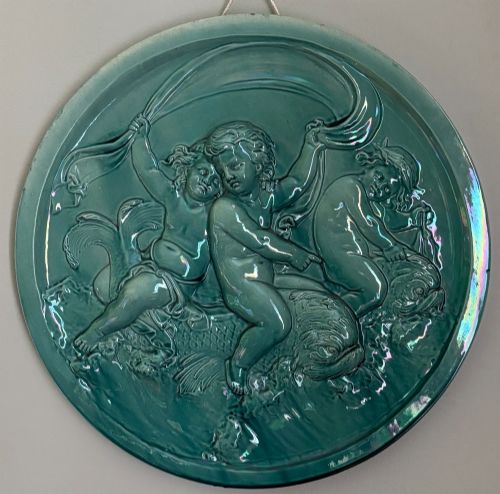
A faience wall charger is a wide decorative dish intended to be hung on a wall rather than used at the dining table. These large plates range from seventeenth-century Dutch Delftware to nineteenth-century revival styles and continental earthenware.
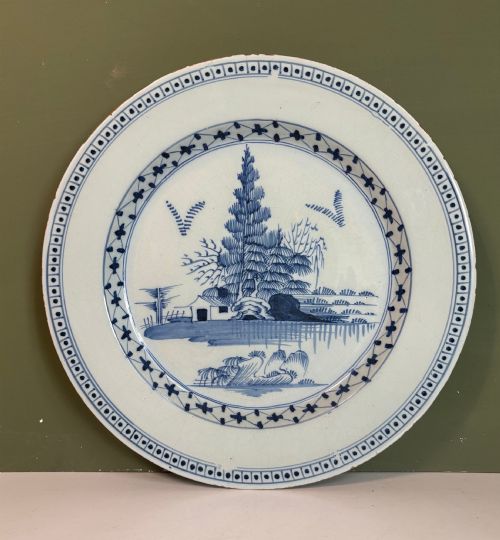
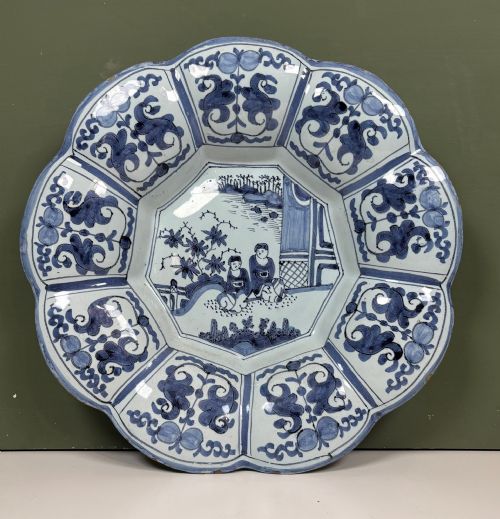
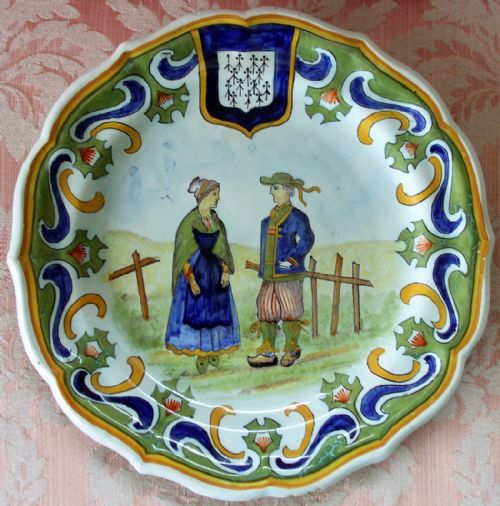
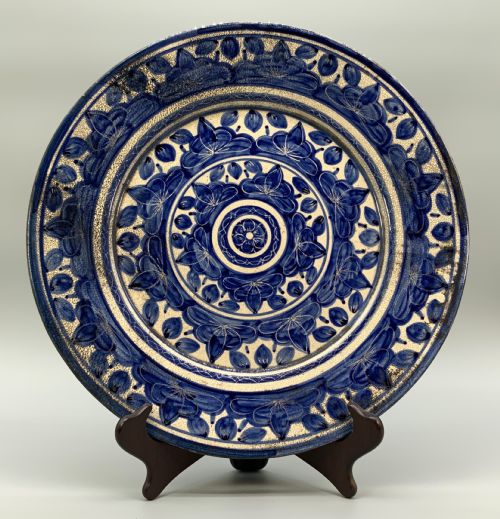
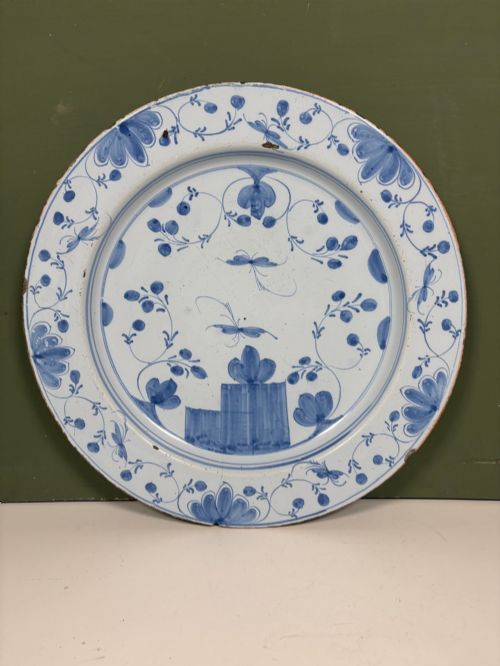
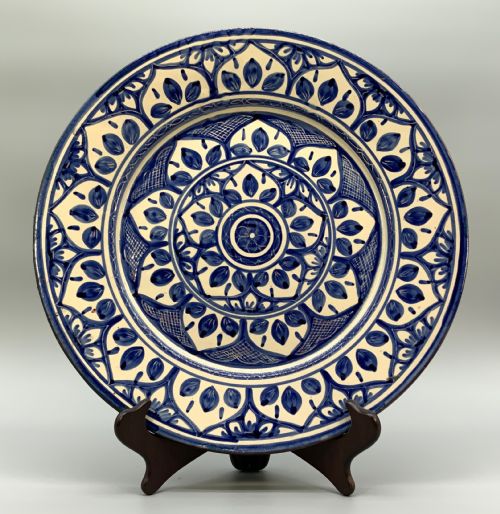
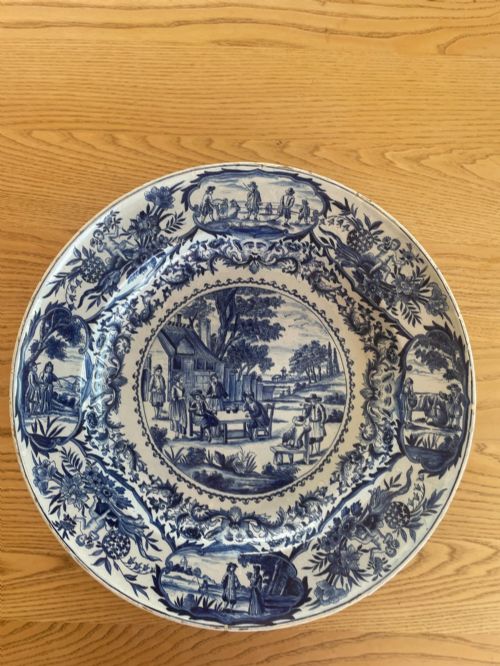
Buyers seeking a faience wall charger will encounter significant pieces spanning the seventeenth century through to the Edwardian period. The selection on this page leans heavily toward eighteenth-century Dutch delft chargers and continental pottery with hand-painted ornament.
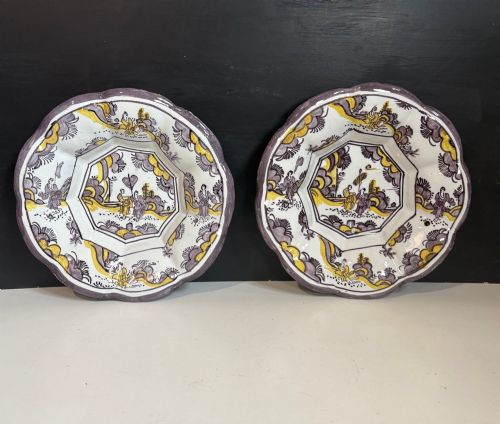
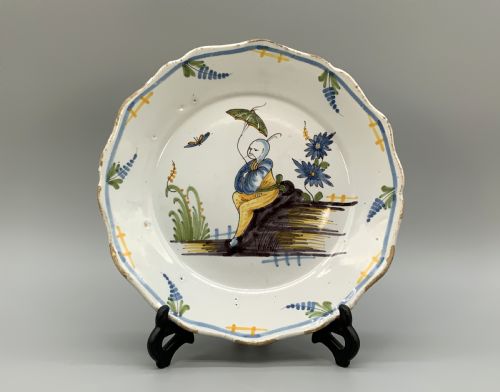
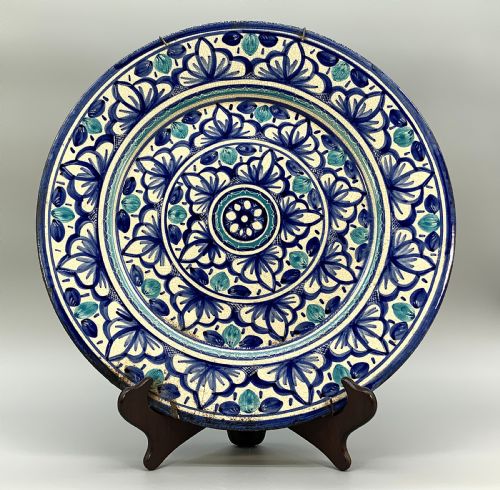
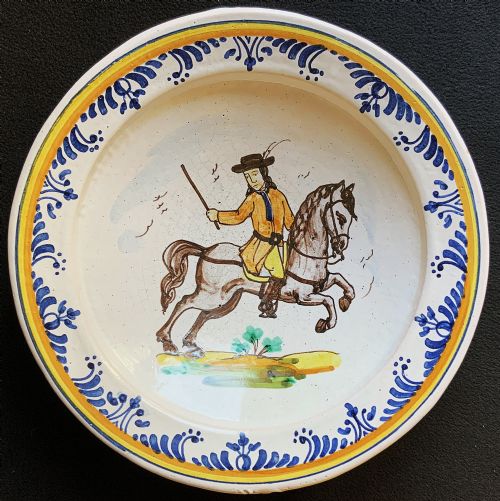
Formats vary from broad charger plates and decorative dishes to specialised wall plaques. Many examples display traditional blue and white palettes, while others utilise polychrome pigments including manganese and yellow.
Materials and construction
Potters formed these items from earthenware, applying a tin glaze to create an opaque white surface suitable for painting. Artisans then brushed cobalt pigment and other metal oxides directly onto the porous glaze before firing.
The interaction between the raw glaze and the metallic pigments caused subtle pooling and softening of the design during the kiln process. This technique required swift, confident brushwork since adjustments were impossible once the pigment touched the unfired surface.
Faience Wall Charger Retail Price Guide 2026
Typical asking prices for faience wall charger among the pieces listed under this phrase on Sellingantiques today, from the lower quarter to the upper quarter. They describe what is for sale here now, not the wider market.
One historical plaque depicts scenes from a notorious rake's progress, proving that antique walls enjoyed a bit of moral drama.
Assessing quality and execution
Quality rests primarily in the crispness of the hand-painted brushwork and the stability of the tin glaze across the broad surface of the charger. Superior examples display confident pictorial scenes or balanced geometric floral patterns without excessive blurring.
The proportion and weight of the earthenware body contribute significantly to the character of a piece. Finer items maintain a uniform thickness that supports the expansive diameter without appearing clumsy on the wall.
Clement Messier·Bassano pottery works
The Faience Wall Charger Glossary
- Faience
- Tin-glazed earthenware produced in continental Europe, typically featuring hand-painted decoration over an opaque white enamel. The term encompasses various regional traditions from France, Italy, Spain, and the Netherlands.
- Tin Glaze
- An opaque white ceramic glaze containing tin oxide, providing a smooth canvas for painted pigments. This coating was fundamental to the production of delftware and majolica.
- Charger
- A large ornamental plate intended for display on a sideboard or wall rather than for serving food. These substantial dishes provide a wide canvas for narrative or decorative motifs.
- Polychrome
- Decoration employing multiple colours rather than a single pigment like blue. On these plates, colours often include manganese, yellow, and green alongside cobalt.
- Kraak
- A style of Chinese export porcelain characterised by panelled borders and central motifs, heavily imitated by European delftware potters. It remains a key reference point for early blue and white pieces.
Faience Wall Charger: Frequently Asked Questions
How do you hang a wall charger safely?
Heavy earthenware plates require specialised spring-loaded brass hangers that distribute weight evenly across the rim. Ensure the fixing matches the substantial mass of a tin-glazed charger.
Avoid wire solutions that grip the edges too tightly or fixed loops that rely on old adhesives. A secure wall anchor provides essential peace of mind.
Were these chargers used for dining?
Most large chargers served a purely decorative function on sideboards or walls, even though their form mimics large dining plates. Their expansive size made them central display items in prosperous interiors.
Some smaller dishes saw occasional service, but pieces of true charger scale were prized primarily for their visual impact.
How do I distinguish Dutch delft from French faience?
Dutch delft typically relies on a dense blue and white palette inspired by imported porcelain, often featuring geometric floral patterns. French faience frequently incorporates broader polychrome palettes with manganese and yellow.
Examining the glaze consistency and typical footrim characteristics helps clarify the regional origin of an unmarked piece.
How should I care for antique faience?
Keep tin-glazed earthenware away from damp environments and direct sunlight to protect the porous ceramic body and historic pigments. Dust gently with a dry, soft cloth rather than using liquid cleaners.
Avoid hanging pieces in high-traffic hallways where vibrations might dislodge wall fixtures.